
US Imposes Tariffs on Brazil and Canada Amidst Trade Tensions
ByAinvest
Friday, Jul 11, 2025 12:29 am ET1min read
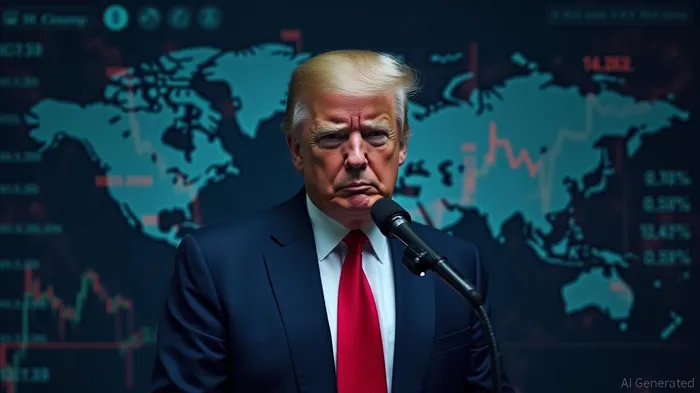
European stock futures traded slightly lower after President Trump unveiled a 50% tariff on Brazilian goods and a 35% tariff on imports from Canada. The dollar strengthened, while US Treasury yields inched higher. Oil and gold rose amid rising geopolitical tensions in the Middle East and lingering global trade tensions.
President Trump's recent announcements of tariffs on Brazilian and Canadian goods have sent ripples through global financial markets. On July 2, European stock futures traded slightly lower after the unveiling of a 50% tariff on Brazilian goods and a 35% tariff on Canadian imports. The U.S. dollar strengthened, while US Treasury yields inched higher. Meanwhile, oil and gold prices rose amid escalating geopolitical tensions in the Middle East and ongoing global trade tensions.The new tariffs are part of Trump's ongoing trade policy, which includes a 50% tariff on copper imports effective August 1. This policy has been met with mixed reactions from various trading partners. Brazil's President Luiz Inacio Lula da Silva has responded to the tariffs, stating that Brazil is a sovereign country and will not accept being tutored by any nation. The Brazilian vice-president, Geraldo Alckmin, also criticized the tariffs, emphasizing that Brazil is not a problem for the United States and that the country has a surplus in trade with the U.S. [2]
Canada, which has been subject to a 35% tariff, has not yet officially responded to the new measures. However, the Canadian government has been actively engaged in trade negotiations with the U.S. to mitigate the impact of tariffs. Trump has also floated the possibility of blanket tariffs of 15% to 20% on most trading partners, which could further exacerbate trade tensions [1].
The tariffs are expected to have significant economic impacts. For businesses, the increased costs of imported goods could lead to higher production costs and potential job losses. Consumers may also face higher prices on imported goods, reducing purchasing power. Additionally, supply chain realignments and shifting alliances could occur as businesses and countries seek to navigate the new trade landscape.
The immediate effects on financial markets include a strengthening U.S. dollar, higher Treasury yields, and increased volatility in commodity prices. The dollar's strength is likely due to safe-haven demand as investors seek shelter from geopolitical risks. Higher Treasury yields reflect investor expectations of increased inflation and economic growth, driven by potential supply chain disruptions and higher consumer prices.
In summary, Trump's new tariffs are likely to have far-reaching economic and geopolitical implications. The immediate impact on financial markets is evident, with increased volatility and a stronger U.S. dollar. The long-term effects will depend on how trading partners respond and how businesses and consumers adapt to the new trade landscape.
References:
[1] https://finance.yahoo.com/news/live/trump-tariffs-live-updates-brazil-copper-hit-with-50-tariffs-as-india-seeks-to-dodge-trumps-brics-wrath-200619819.html
[2] https://www.chinadailyasia.com/hk/article/615574
Stay ahead of the market.
Get curated U.S. market news, insights and key dates delivered to your inbox.


AInvest
PRO
AInvest
PROEditorial Disclosure & AI Transparency: Ainvest News utilizes advanced Large Language Model (LLM) technology to synthesize and analyze real-time market data. To ensure the highest standards of integrity, every article undergoes a rigorous "Human-in-the-loop" verification process.
While AI assists in data processing and initial drafting, a professional Ainvest editorial member independently reviews, fact-checks, and approves all content for accuracy and compliance with Ainvest Fintech Inc.’s editorial standards. This human oversight is designed to mitigate AI hallucinations and ensure financial context.
Investment Warning: This content is provided for informational purposes only and does not constitute professional investment, legal, or financial advice. Markets involve inherent risks. Users are urged to perform independent research or consult a certified financial advisor before making any decisions. Ainvest Fintech Inc. disclaims all liability for actions taken based on this information. Found an error?Report an Issue




Comments
No comments yet