
U.S. Imposes 35% Tariff on Canadian Goods, Sparking Trade War Fears
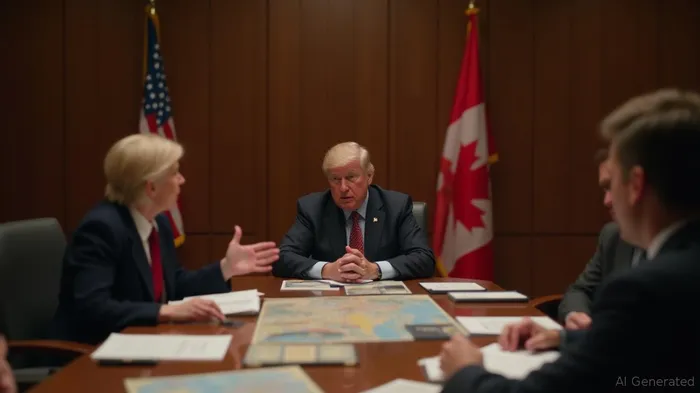
The United States has escalated its trade war with Canada by announcing a 35% tariff on all Canadian goods imported into the country, effective from August 1, 2025. This decision, made by the U.S. President, has sent shockwaves through the North American region and beyond, raising tensions and sparking reactions in global markets. The move is seen as a significant escalation in the ongoing trade dispute between the two nations, which have historically been close allies and major trading partners.
The announcement has had an immediate impact on the foreign exchange market, with the U.S. dollar strengthening against the Canadian dollar, briefly surpassing the 1.37 mark. This sudden shift in currency values reflects the market's anticipation of potential economic repercussions and the broader implications of the tariff imposition. The decision to impose a 35% tariff on Canadian goods is part of a broader strategy aimed at addressing perceived trade imbalances and protecting domestic industries. The U.S. President has emphasized that this tariff is a response to what he views as unfair trade practices by Canada, and has warned that any retaliatory measures by Canada could result in further escalation, including additional tariffs.
The tariff announcement has also raised concerns about the potential for a broader trade conflict, as other countries closely monitor the situation. The move comes at a time when global trade tensions are already high, with the U.S. engaged in trade disputes with several other nations. The imposition of a 35% tariff on Canadian goods is seen as a bold and aggressive move, and it remains to be seen how Canada will respond. The Canadian government has been working to avoid punitive tariffs and has been engaged in negotiations with the U.S. to resolve trade disputes. However, the latest tariff announcement suggests that these efforts may not have been successful in averting the imposition of new tariffs.
The decision to impose a 35% tariff on Canadian goods is likely to have significant economic implications for both countries. For Canada, the tariff could result in reduced exports to the U.S., which is its largest trading partner. This could have a negative impact on Canadian industries that rely on exports to the U.S., and could lead to job losses and economic slowdown. For the U.S., the tariff could result in higher prices for consumers, as the cost of imported goods increases. This could have a negative impact on consumer spending and overall economic growth. The tariff could also lead to retaliatory measures by Canada, which could further escalate the trade conflict and have broader economic implications.
Prior to this announcement, the U.S. had already imposed tariffs on steel and aluminum imports from Canada, raising the tax rate from 25% to 50% in June. This move had already drawn criticism and retaliatory measures from Canada, as it is one of the largest suppliers of these products to the U.S. The U.S. Commerce Department data indicates that Canada is the largest buyer of U.S. exports, importing 349 billion dollars worth of goods in the previous year. Therefore, if Canada imposes additional retaliatory tariffs on U.S. goods, the U.S. President's tariff measures could backfire. Meanwhile, Canada exported 413 billion dollars worth of goods to the U.S. last year, making it the third-largest foreign supplier of goods to the U.S.
In addition to the tariff on Canadian goods, the U.S. President has also warned that other trading partners who have not received trade letters or framework agreements will face a range of tariffs. The U.S. President stated that all remaining countries will be required to pay, whether it is 20% or 15%, and that this issue will be resolved immediately. Before sending a letter to Canada, the U.S. President had sent letters to more than 20 countries this week, informing them that their goods would be subject to additional tariffs starting August 1, with tariff rates ranging from 25% to 40%. Furthermore, on September 9, the U.S. President posted a letter on a social media platform to Brazil, stating that the U.S. would impose a 50% tariff on all Brazilian products starting August 1, 2025.

Stay ahead of the market.
Get curated U.S. market news, insights and key dates delivered to your inbox.


AInvest
PRO
AInvest
PRO



Comments
No comments yet