
U.S. Imposes 25% Tariff on Japanese Automobiles, Escalating Trade Tensions
In a significant shift in trade policy, the United States has announced that it will not extend the deadline for imposing tariffs on various countries, including Japan. Instead, the U.S. will unilaterally notify each country of the specific tariff rates for their exports to the U.S. This decision marks a departure from the previous approach of engaging in trade negotiations and signals a more aggressive stance on trade.
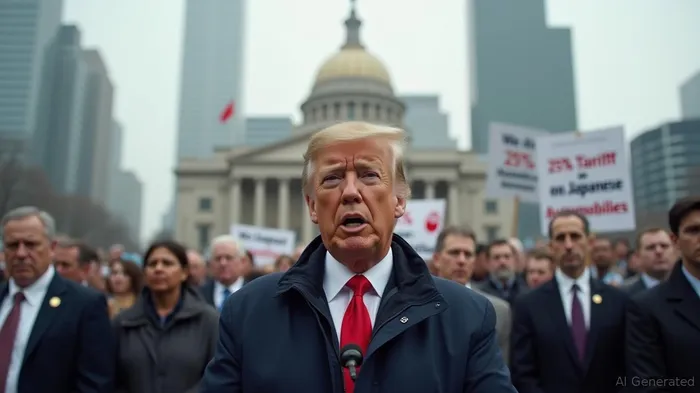
The U.S. has indicated that it will send letters to hundreds of countries, including Japan, outlining the new tariff arrangements. In a notable example, the U.S. has stated that it will impose a 25% tariff on Japanese automobiles. This move is part of a broader strategy to address long-standing trade imbalances, particularly with Japan. The U.S. has expressed frustration over the lack of reciprocity in trade, noting that while Japan imports a significant number of U.S. automobiles, the U.S. imports far more Japanese vehicles.
The decision to impose unilateral tariffs comes at a time when trade negotiations between the U.S. and Japan have stalled. The seventh round of ministerial-level talks in Washington did not yield any breakthroughs, and key meetings between Japanese and U.S. officials did not take place. This lack of progress has led to a deadlock in the negotiations, with both sides unable to bridge their differences, particularly on the issue of automobile tariffs.
The U.S. has previously raised the tariff on Japanese automobile imports from 2.5% to 27.5%, a move that was met with strong opposition from Japan. Despite efforts by Japanese officials to resolve the issue, the U.S. has maintained its position, further complicating the negotiations. The U.S. has suggested that Japan could reduce its trade deficit by purchasing more U.S. goods, such as oil, but has not provided specific concessions to facilitate this.
This unilateral approach to tariffs represents a significant change in the U.S.'s trade policy. The U.S. has traditionally relied on negotiations to resolve trade disputes, but the current administration has shown a willingness to use tariffs as a tool to achieve its objectives. This shift could have far-reaching implications for global trade, as other countries may respond with their own tariffs or other protective measures.
The U.S.'s decision to impose tariffs on Japanese automobiles is particularly noteworthy, as it highlights the ongoing tensions between the two countries over trade. The U.S. has long argued that Japan's trade practices are unfair and that the country should do more to open its markets to U.S. goods. Japan, on the other hand, has maintained that its trade policies are in line with international standards and that it is willing to engage in negotiations to resolve any disputes.
The U.S.'s unilateral imposition of tariffs could also have broader implications for global trade. Other countries may view this as a precedent for using tariffs to address trade imbalances, potentially leading to a wave of protectionist measures. This could result in a trade war, with countries imposing tariffs on each other's goods in retaliation, leading to higher prices for consumers and reduced economic growth.

Stay ahead of the market.
Get curated U.S. market news, insights and key dates delivered to your inbox.


AInvest
PRO
AInvest
PRO



Comments
No comments yet