
US Imposes 25% Tariff on Imported Automobiles
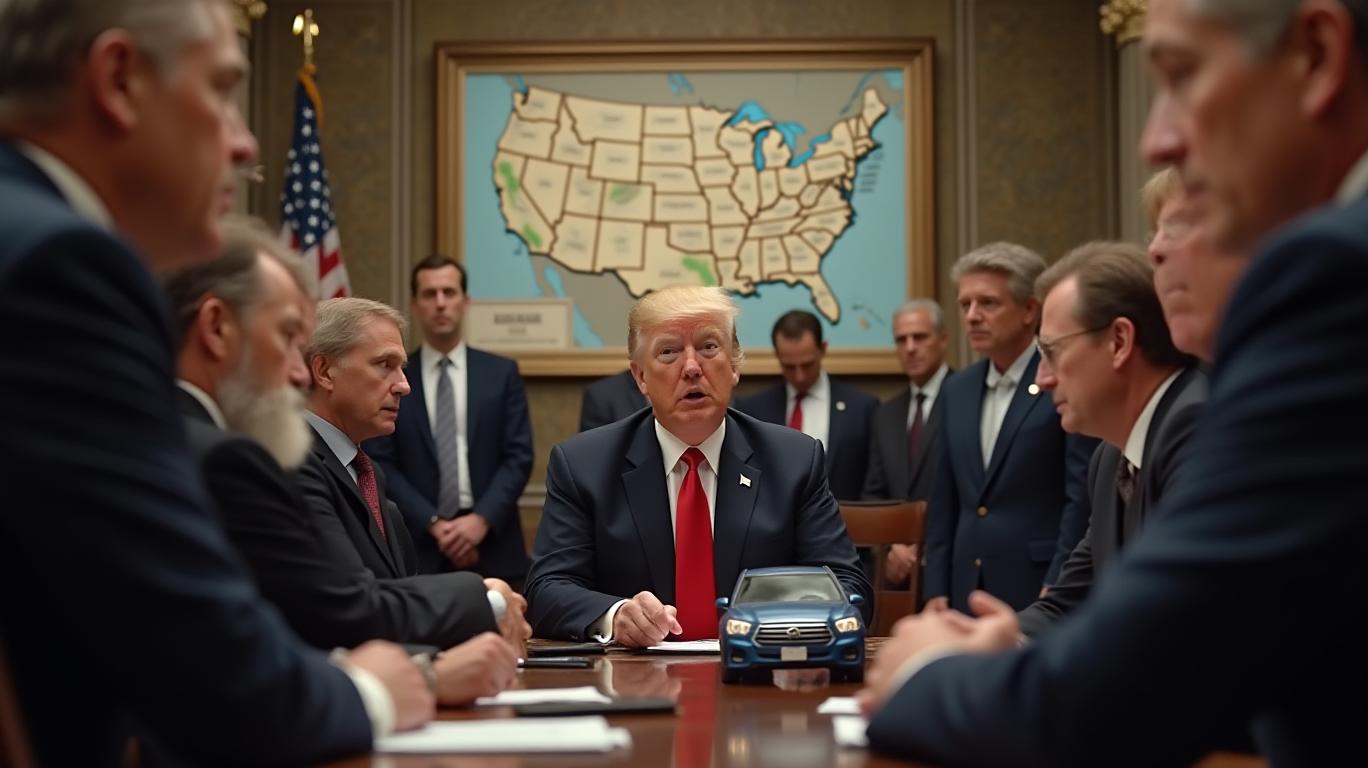
On April 3, the United States officially implemented a 25% tariff on imported automobiles, a measure announced by President Trump on March 26. This tariff applies to a wide range of vehicles, including passenger cars, SUVs, and light trucks, as well as critical automotive components such as engines and transmissions. The administration has indicated that the tariff may be extended to other parts as necessary.
The new tariff is an addition to the existing tariffs, which were generally around 2.5% for most vehicles and 25% for light trucks. Vehicles that meet the USMCA (United States-Mexico-Canada Agreement) rules of origin were previously exempt from these tariffs. Under the new policy, importers will have the opportunity to certify the U.S.-made portions of their vehicles, ensuring that the 25% tariff only applies to the non-U.S.-made parts.
This move is expected to have significant implications for the automotive industry. Gary Hufbauer, a senior research fellow at the Peterson Institute for International Economics and a former Treasury Department official, described the tariff as a "major blow" to the industry. He predicted that increased costs would lead to decreased demand, particularly among consumers with weaker financial situations, and anticipated large-scale job losses in U.S. automotive and parts manufacturing.
The tariff is part of a broader strategy by the Trump administration to impose unique, comprehensive tariffs on various trading partners. However, automobiles are not included in the reciprocal tariff plan. The administration has clarified that products already subject to steel and aluminum tariffs, as well as automobile tariffs, will not be subject to the reciprocal tariff.
The impact of this tariff is likely to be felt across the global automotive industry. Manufacturers, suppliers, and consumers will all experience the effects of this policy. The move underscores the administration's commitment to using tariffs as a tool in its trade policy, despite the potential for increased costs and supply chain disruptions. The tariff is a permanent measure, as indicated by Trump in his March 26 announcement.

Stay ahead of the market.
Get curated U.S. market news, insights and key dates delivered to your inbox.






Comments
No comments yet