
U.S. Imposes 25% Steel, 10% Aluminum Tariffs on Canada, Escalating Trade Tensions
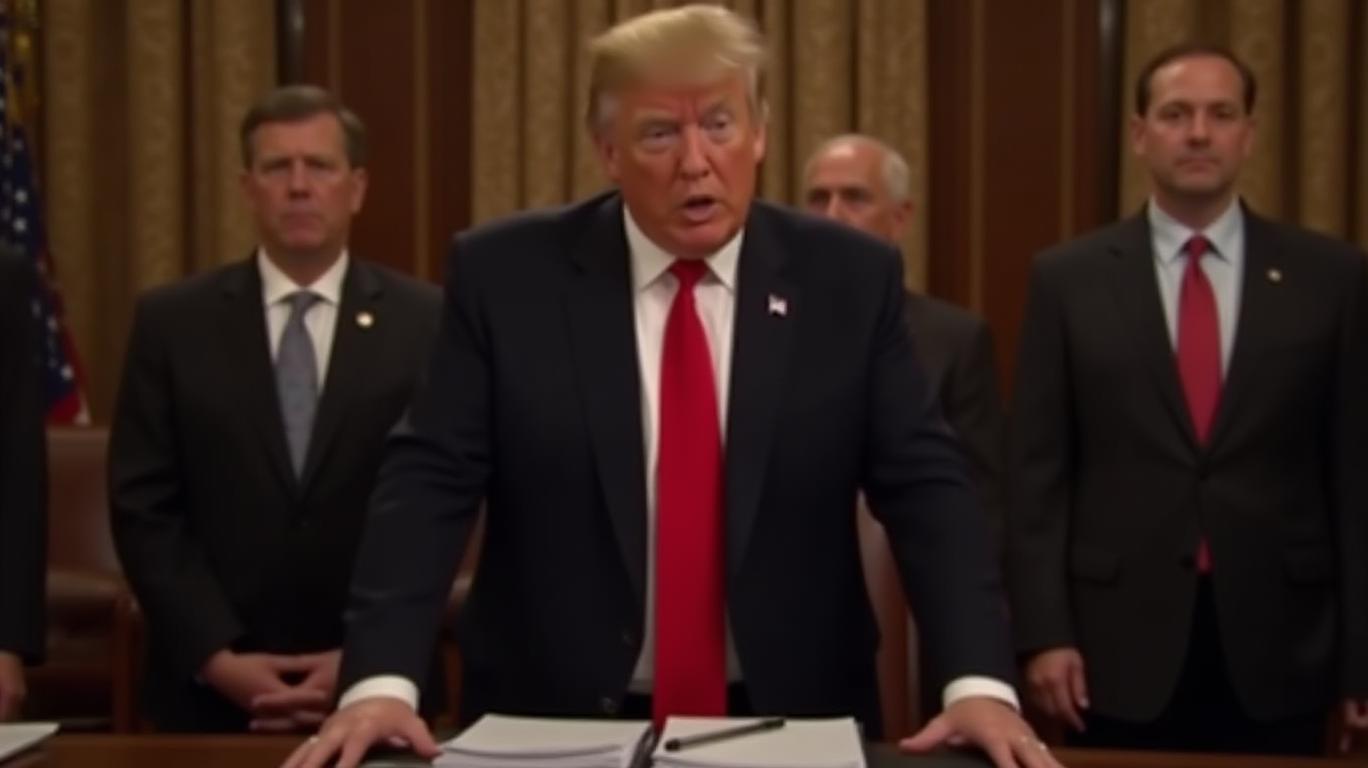
In a move that has escalated trade tensions, the United States has imposed a 25% tariff on steel and a 10% tariff on aluminum imports from Canada. This decision, announced by President Donald Trump, marks a significant development in the ongoing trade dispute between the two countries. Initially, Trump had threatened to double the tariff rate to 50% on Canadian steel and aluminum imports, but this plan was abandoned after the province of Ontario suspended its own retaliatory measures.
The tariffs are part of a broader strategy by the Trump administration aimed at protecting American steelmakers from foreign competition. The administration has cited national security concerns as the rationale behind these measures. The 25% tariff on steel and 10% tariff on aluminum, first imposed in 2018, were initially targeted at a wide range of countries, including major U.S. allies such as Canada, Mexico, Japan, and South Korea. However, these tariffs have since been modified, with some countries receiving exemptions and others facing import quotas instead of tariffs.
The latest round of tariffs is expected to have far-reaching economic implications. American companies that rely on steel and aluminum, such as automakers, construction firms, and beverage makers, are likely to face increased costs. This could lead to higher prices for consumers and potential job losses in industries that use these metals. The tariffs are also expected to provoke retaliatory measures from Canada, which has already indicated that it will impose its own tariffs in response.
The economic impact of the tariffs is a contentious issue. While the tariffs may benefit a small number of American steel and aluminum producers, the overall cost to the U.S. economy could be substantial. Economists have noted that the gains to the steel and aluminum industries are likely to be offset by the increased costs for downstream manufacturers that use these metals. This could result in a net loss for the U.S. economy, despite the short-term benefits to a few industries.
The tariffs are part of a broader trade strategy by the Trump administration, which has also imposed tariffs on Chinese imports and threatened to impose tariffs on all Canadian and Mexican products. The unpredictability of these measures has raised concerns about their potential impact on the U.S. economy, with some experts warning that they could slow growth and rekindle inflation. The tariffs also risk straining relationships with key allies, who have been caught in the crossfire of the trade dispute.
The tariffs have already had an impact on American companies that use steel and aluminum. For example, Steelport Knife Co. in Portland, Oregon, has seen its costs increase due to the tariffs, putting it at a competitive disadvantage compared to foreign competitors. The company's CEO, Ron Khormaei, has expressed frustration with the tariffs, noting that they are hurting his business and straining relationships with Canadian customers.
The tariffs are also expected to have an impact on the global steel and aluminum markets. The U.S. is a major importer of these metals, and the tariffs could lead to a shift in global trade patterns as other countries seek to fill the gapGAP-- left by the U.S. market. This could have implications for steel and aluminum producers around the world, as well as for the countries that rely on these exports.
In summary, the imposition of 25% tariffs on Canadian steel and aluminum imports by the United States is a significant escalation of trade tensions between the two countries. The tariffs are expected to have significant economic implications, both for the U.S. and for Canada, and could have broader implications for the global steel and aluminum markets. The tariffs are part of a broader trade strategy by the Trump administration, which has also imposed tariffs on Chinese imports and threatened to impose tariffs on all Canadian and Mexican products. The unpredictability of these measures has raised concerns about their potential impact on the U.S. economy and on relationships with key allies.

Stay ahead of the market.
Get curated U.S. market news, insights and key dates delivered to your inbox.
AInvest
PRO
AInvest
PRO



Comments
No comments yet