
U.S. Imposes Over 20% Tariffs on Mexican Tomato Imports Starting July 14
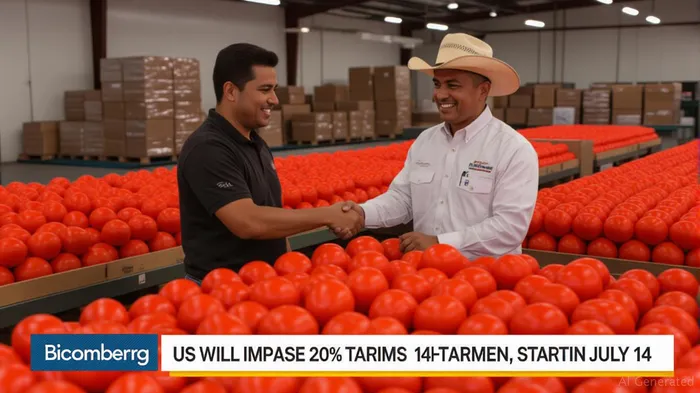
The U.S. government has announced the imposition of tariffs exceeding 20% on most Mexican tomato imports, effective July 14, 2025. The decision, based on claims of "unfair pricing," marks a significant escalation in trade measures targeting agricultural products from Mexico. This action follows a prolonged review period during which U.S. authorities scrutinized export practices in the tomato industry.
Key Details of the Tariff Implementation
The new tariffs will apply to approximately 90% of Mexican tomato shipments entering the U.S., excluding limited categories such as organic varieties and certain specialty crops. Officials argue that Mexican producers have been selling tomatoes at prices deemed below fair market value, which they allege harms domestic U.S. growers. The 2025 measure builds on previous trade actions, including anti-dumping duties implemented in 2021, but represents a substantial increase in the tax rate.
The Department of Commerce confirmed that the tariffs were calculated using a methodology that compares Mexican export prices to those in third countries, concluding that the price discrepancies indicate predatory pricing. The final rate, exceeding 20%, reflects the highest level applied to Mexican agricultural imports in recent years.
Impact on Trade and Industry
The move is expected to reshape trade dynamics between the two North American neighbors. Mexican exporters, already navigating existing trade barriers, now face heightened costs, which may reduce their competitiveness in the U.S. market. U.S. retailers and food processors, particularly those reliant on Mexican tomatoes during off-seasons, could face supply chain challenges and potential price increases for consumers.
Historically, U.S.-Mexico agricultural trade has been a sensitive area, with periodic disputes over pricing and market access. The 2025 tariffs underscore ongoing tensions, as both countries seek to balance trade policies with domestic economic interests. The timing of the announcement, ahead of key harvest periods, adds urgency to the situation for affected industries.
Regulatory Context and Future Implications
The decision follows a standard administrative process under U.S. trade law, which allows for countervailing duties when foreign producers are found to sell goods at less than fair value. The Department of Commerce’s analysis emphasized that Mexican tomato exports to the U.S. had grown by over 30% in the preceding three years, contributing to market saturation and downward pressure on prices.
Trade experts note that the tariffs could incentivize Mexican producers to diversify export destinations or seek alternative markets to mitigate losses. Conversely, U.S. growers might benefit from reduced competition, potentially stabilizing domestic tomato prices. However, the long-term effects remain uncertain, as retaliatory measures or further trade negotiations could alter the landscape.
The U.S. government has stated that it remains open to dialogue with Mexican authorities to address concerns, but no immediate compromises have been reached. The tariffs, as currently structured, are set to remain in place unless revised through formal legal or diplomatic channels.
Conclusion
The imposition of these tariffs reflects the complexities of bilateral trade relations, where economic safeguards clash with the interconnectedness of supply chains. As the July 14 deadline approaches, stakeholders on both sides are preparing for operational adjustments, while observers await potential ripple effects on broader trade policies in the region. The outcome could set a precedent for future trade disputes involving agricultural commodities.

Stay ahead of the market.
Get curated U.S. market news, insights and key dates delivered to your inbox.


AInvest
PRO
AInvest
PRO



Comments
No comments yet