
U.S. Imposes 10% Tariff on BRICS Supporters Starting July 7
The global economic landscape is on the brink of significant change as the United States prepares to implement new rounds of tariffs. This move is not just about trade; it signifies a seismic shift with far-reaching implications that could reshape both traditional financial markets and the burgeoning cryptocurrency ecosystem. For anyone invested in digital assets, understanding these geopolitical tremors is crucial. President Donald Trump’s recent announcement on Truth Social signals a critical juncture, setting the stage for a period of heightened uncertainty and potential volatility. What does this mean for your portfolio, and how might crypto offer a unique hedge in these turbulent times?
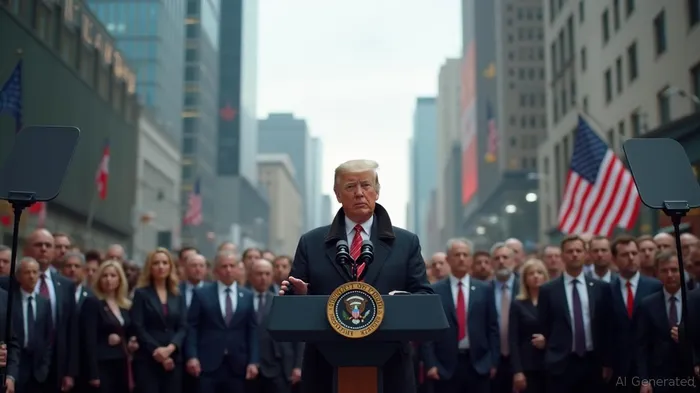
The U.S. President’s declaration marks a decisive move in international trade policy. Starting precisely at 16:00 UTC on July 7, tariff letters will be dispatched to various countries worldwide. This initial phase, while significant, is overshadowed by a more pointed measure: an additional 10% tariff specifically targeting nations perceived as supporting the anti-American policies of the BRICS alliance. This isn’t a blanket tariff but a targeted economic pressure point, designed to compel a re-evaluation of international allegiances and trade practices.
To grasp the full weight of these tariffs, it’s essential to consider a few key aspects. The ‘July 7’ Deadline: This specific date and time act as a clear line in the sand, indicating a rapid implementation rather than a protracted negotiation period. Businesses, supply chains, and governments have a very short window to prepare. The distinction between general tariff letters and the specific 10% tariff on BRICS supporters highlights a strategic, rather than purely economic, motivation. It’s a blend of trade policy and foreign policy, aiming to exert influence on geopolitical alignments. Donald Trump’s previous presidency was marked by significant use of tariffs as a foreign policy tool. This new announcement suggests a continuation, and potentially an escalation, of that approach, indicating a willingness to disrupt established trade norms to achieve specific political objectives.
These tariffs are not merely taxes on imported goods; they are instruments of economic statecraft, designed to alter trade flows, incentivize domestic production, and pressure foreign governments. Their ripple effects are complex, touching everything from consumer prices to corporate profit margins and, ultimately, global economic stability.
The mention of the BRICS Alliance is not incidental; it’s central to understanding the strategic intent behind these new tariffs. BRICS, originally comprising Brazil, Russia, India, China, and South Africa, has recently expanded to include countries like Egypt, Ethiopia, Iran, Saudi Arabia, and the UAE, signaling a growing bloc of nations seeking to challenge the existing global order, particularly the dominance of the U.S. dollar and Western-led institutions.
The U.S. administration’s accusation of ‘anti-American policies’ from BRICS supporters can encompass a wide range of actions, including de-dollarization efforts, geopolitical alignments, and economic competition. This targeted tariff approach could indeed ignite a more intense global trade war. When one major economic power imposes tariffs, the targeted nations often retaliate with their own tariffs, creating a cycle of escalating trade barriers. This tit-for-tat dynamic can severely disrupt international commerce, leading to higher costs for consumers, reduced corporate profits, and slower economic growth worldwide. The BRICS nations, with their collective economic might and growing geopolitical ambition, are unlikely to simply absorb these tariffs without a response, setting the stage for a potentially protracted and damaging economic conflict.
The imposition of new tariffs, especially those aimed at countries aligned with BRICS, fundamentally alters the dynamics of the ongoing global trade war. It’s an escalation that moves beyond specific product categories or industries, venturing into the realm of geopolitical alignment and economic coercion. The immediate consequences could be widespread, including disruption in supply chains, higher consumer prices, reduced corporate profitability, and overall dampening of global economic growth due to reduced trade volumes, increased uncertainty, and investment hesitancy. This isn’t just about tariffs on steel or aluminum anymore; it’s about the broader implications for international cooperation and the rules-based global trading system. The more countries engage in retaliatory tariffs, the greater the risk of a full-blown trade war that could spiral into a global recession. Companies that have optimized their supply chains for efficiency and cost-effectiveness over decades will now face immense pressure to re-evaluate and potentially onshore production, leading to significant capital expenditure and potentially higher prices for goods.
The economic impact of these escalating trade tensions will undoubtedly extend far beyond the immediate parties involved. When major economies impose tariffs, it creates a domino effect across interconnected global markets. Consider the following ripple effects: Currency fluctuations, inflationary pressures, investment uncertainty, and impact on developing nations. Furthermore, these tariffs could accelerate the trend towards economic decoupling, where nations strategically reduce their interdependence to mitigate geopolitical risks. While this might be seen as a national security benefit by some, it carries the significant cost of reduced global efficiency, innovation, and overall prosperity. The long-term economic impact could reshape global alliances and trade routes for decades to come.
While the immediate focus of tariffs and a potential global trade war is on traditional goods and services, the cryptocurrency market is not immune to these macroeconomic shifts. In fact, it might be uniquely positioned to react, both positively and negatively, to such turbulence. The crypto market impact could manifest in several ways. Potential upsides for crypto include hedge against traditional market volatility, inflationary hedge, de-dollarization acceleration, and increased adoption in targeted regions. Potential downsides and challenges for crypto include overall market contagion, regulatory scrutiny, and reduced disposable income. Ultimately, the crypto market impact will depend on the severity and duration of the trade conflict, as well as the specific reactions of central banks and governments. While cryptocurrencies offer unique properties that could serve as a hedge, they are not immune to global economic shocks. Investors will need to monitor developments closely and consider how these macro trends align with their long-term investment strategies.
In an environment shaped by evolving tariffs and a looming global trade war, investors across all asset classes, including crypto, must adopt a proactive and informed approach. For crypto investors, it is advisable to diversify your portfolio, employ a dollar-cost averaging strategy, stay informed and research, consider stablecoins, and understand the macro landscape. Broader investment considerations include reviewing supply chains, monitoring inflation, and assessing geopolitical risk. This period of heightened trade tensions underscores the importance of resilience and adaptability in investment strategies. While challenges abound, new opportunities can also emerge for those who are well-prepared and willing to look beyond conventional wisdom. The ongoing global trade war could inadvertently accelerate the shift towards decentralized finance and alternative economic models, creating a fascinating landscape for the future of money.
The announcement of new tariffs and the targeted pressure on the BRICS Alliance marks a significant turning point in global economic relations. The path forward is fraught with uncertainty, and several key indicators will determine the ultimate economic impact and subsequent crypto market impact. These include retaliatory measures, supply chain adjustments, inflation and consumer behavior, geopolitical developments, and crypto market trends. The unfolding scenario is a complex interplay of economics, politics, and technology. For those in the cryptocurrency space, this period could either be a test of resilience or an unprecedented opportunity for growth and mainstream adoption, as the traditional financial system grapples with profound structural shifts.
The U.S. decision to deliver new tariffs starting July 7, particularly the targeted 10% tariff on countries supporting the anti-American policies of the BRICS Alliance, heralds a new, more uncertain chapter in global economic relations. This aggressive stance is poised to escalate the ongoing global trade war, triggering a profound economic impact that will ripple across continents, affecting supply chains, consumer prices, and corporate profitability. For the cryptocurrency ecosystem, this geopolitical and economic upheaval presents a unique duality of challenges and opportunities. While traditional markets may face increased volatility and downturns, the unique characteristics of digital assets could position them as potential hedges against inflation and traditional financial instability, leading to a significant crypto market impact. Investors must remain vigilant, informed, and adaptable, recognizing that the interplay between traditional finance and decentralized digital assets is becoming increasingly intertwined. As nations navigate these turbulent waters, the world watches to see how this crucial move will reshape the future of trade, international cooperation, and the evolving role of digital currencies.

Stay ahead of the market.
Get curated U.S. market news, insights and key dates delivered to your inbox.






Comments
No comments yet