
U.S. to Impose Significant Tariffs on Non-Domestic Pharmaceuticals
 Aime Summary
The U.S. is set to impose significant tariffs on pharmaceuticals not produced domestically, as announced by the U.S. Secretary of Commerce. This move is part of a broader strategy to bolster domestic manufacturing and reduce reliance on foreign imports, particularly from the European Union. The Secretary revealed that President Trump will unveil the specific details of this pharmaceutical policy within the next two weeks. This policy is expected to have far-reaching implications for the global pharmaceutical industry, as well as for trade relations between the U.S. and its allies.
The pharmaceutical and automotive industries are identified as key sectors in the ongoing trade negotiations with the European Union. The U.S. aims to secure favorable terms in these areas, which are crucial for both economic and strategic reasons. The potential imposition of "huge" tariffs on pharmaceuticals not manufactured in the U.S. is a clear signal of the administration's intent to prioritize domestic production. This policy could lead to increased costs for pharmaceutical companies that rely on foreign manufacturing, potentially impacting the availability and affordability of medications.
The Secretary's remarks also highlight the ongoing negotiations with the European Union, which include discussions on digital services taxes and tariffs on steel and aluminum. These negotiations are part of a broader effort to address trade imbalances and ensure fair competition. The U.S. is seeking to level the playing field by imposing tariffs on goods that are not produced domestically, thereby encouraging companies to invest in U.S.-based manufacturing facilities.
The potential impact of these tariffs on the global economy is significant. While the U.S. aims to protect its domestic industries, other countries may retaliate with their own tariffs, leading to a potential trade war. The pharmaceutical industry, in particular, is likely to be affected, as many medications are produced in countries with lower labor costs. The imposition of tariffs could lead to increased prices for consumers and potential shortages of essential medications.
The Secretary's announcement comes at a time when the U.S. is already engaged in trade disputes with several countries. The administration's approach to trade policy has been characterized by a focus on bilateral agreements and the use of tariffs as a negotiating tool. This strategy has led to both successes and challenges, as the U.S. seeks to balance its economic interests with those of its trading partners.
In summary, the U.S. is set to impose significant tariffs on pharmaceuticals not produced domestically, as part of a broader strategy to boost domestic manufacturing. This policy is expected to have far-reaching implications for the global pharmaceutical industry and trade relations between the U.S. and its allies. The ongoing negotiations with the European Union and other countries will be crucial in determining the ultimate impact of these tariffs on the global economy. 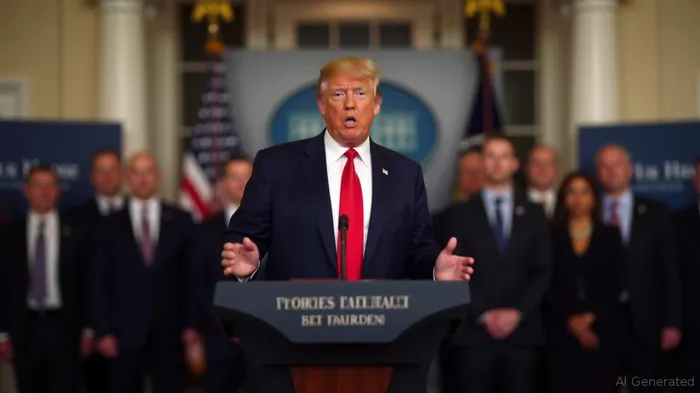

Stay ahead of the market.
Get curated U.S. market news, insights and key dates delivered to your inbox.






Comments
No comments yet