
U.S. to Impose 10% Tariffs on 100 Nations by July 2025
U.S. Treasury Secretary Janet Yellen has announced plans to finalize trade agreements with over 100 nations by July 9, 2025. These agreements are crucial as countries face tariffs of at least 10% if negotiations fail. Yellen's leadership and proactive strategy underscore the significance of these talks in global trade dynamics. The U.S. Treasury anticipates significant tariff increases for these nations, which could exacerbate existing trade tensions and impact market stability and economic outlook.
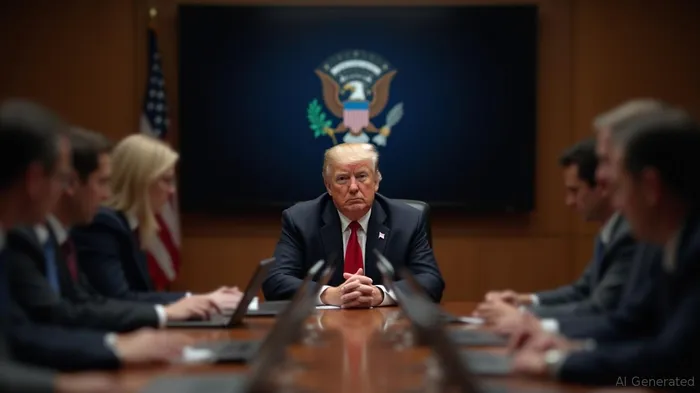
President Donald Trump has emphasized confidence in the negotiations, stating, "We understand, we have all the numbers," while also highlighting ongoing negotiation challenges. The broader implications of rising tariffs may influence regulatory shifts and impact financial markets, although immediate effects on technology or blockchain remain speculative. Historical responses to tariffs suggest varied impacts depending on industries' reliance on global trade networks.
The anticipated tariff surge echoes historical patterns, notably the "Liberation Day" tariffs. Past attempts to rapidly implement tariffs influenced equity markets significantly yet exhibited less impact on major cryptocurrencies. The U.S. is set to impose significant tariff increases on a wide range of goods from numerous countries, affecting approximately 100 nations. This move follows a 90-day pause on implementing these so-called “reciprocal” tariffs, which was set to expire on July 8.
The tariff increases are part of a broader trade strategy aimed at addressing perceived trade imbalances. For instance, the U.S. has agreed to a 55% tariff rate on Chinese imports as part of a trade truce struck in May. Additionally, Vietnam, which was initially slated for a 46% tariff, will now face a 20% tariff on goods imported to the U.S. This adjustment is part of a trade deal that also includes Vietnam opening its market to American products.
The impact of these tariff increases is expected to be substantial. Midsize U.S. businesses, which make up about a third of the nation’s private-sector workforce, could face significant financial burdens. This could lead to price hikes, layoffs, and hiring freezes for many employers. The analysis also highlights that the way the U.S. moves forward with trade agreements and tariffs could have a wide range of potential effects on businesses, including stimulating domestic investment and reducing international competition for some firms, while leading to significant cost increases for others.
The tariff increases are not limited to specific regions or countries. The U.S. has targeted dozens of trading partners with country-specific “reciprocal” duties. This strategy aims to address trade imbalances by imposing tariffs that reflect the differences in tariff rates between the U.S. and its trading partners. The administration has indicated that the July 8 deadline is not critical and could be extended, but the potential for major upfront costs for the middle market remains a concern.
The implementation of these tariffs is part of a broader trade strategy that has been in the works for some time. The administration has been working on a massive “Liberation Day” tariff overhaul since April 2, 2025. The moratorium delaying the “reciprocal” tariffs was set to expire next week, but the administration has indicated that it is open to extending the deadline if necessary. The tariff rates that have been announced so far have varied widely from one country to the next, and the administration has noted that policy can shift quickly. Vulnerable midsize firms may need to adapt their business models, which could affect their customers, other businesses, and their regional economies. If they struggle, it may cause ripple effects for other businesses and their communities.

Stay ahead of the market.
Get curated U.S. market news, insights and key dates delivered to your inbox.






Comments
No comments yet