
The Impending Fed Leadership Shift and Its Impact on Bitcoin and Crypto Markets


 Aime Summary
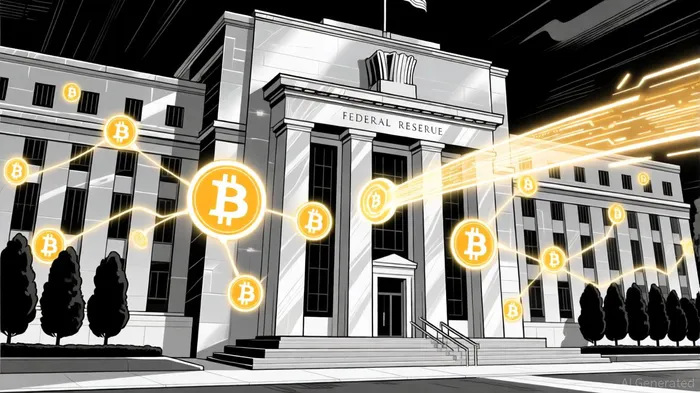
The U.S. Federal Reserve's leadership transition in 2025 has become a pivotal event for global financial markets, with cryptocurrency investors closely watching the implications of a potential dovish chair appointment under President Trump. As the shortlist narrows to candidates like Christopher Waller and Michelle Bowman-both of whom have signaled openness to digital assets-the stage is set for a regulatory and monetary policy shift that could supercharge Bitcoin's trajectory.
Dovish Candidates and Pro-Crypto Stances
Trump's rumored focus on a dovish chair reflects a strategic alignment with market forces that prioritize liquidity expansion and accommodative monetary policy. Christopher Waller, a Federal Reserve Governor, has explicitly acknowledged that "cryptocurrency has become integrated into the U.S. financial system," signaling a departure from earlier skepticism Waller on crypto. His proposal for a skinny master account model-a limited-access payment infrastructure for crypto firms-demonstrates a willingness to modernize the Fed's approach while maintaining oversight. This innovation could enable direct Fedwire connectivity for companies like Kraken and Ripple, reducing intermediation and fostering broader adoption of digital assets.
Michelle Bowman, another top contender, has similarly advocated for easing restrictions on regulators' personal crypto investments, reflecting a broader push for flexibility in digital asset regulation PoliticoPro. Her stance aligns with a 2023-2025 trend of reevaluating rigid frameworks, which could stabilize crypto markets by reducing regulatory ambiguity. Together, these candidates represent a paradigm shift: the Fed is no longer viewing crypto as a peripheral risk but as a core component of the financial ecosystem, as Waller declares new era for crypto integration.
Dovish Policy and Liquidity-Driven Crypto Gains
A dovish Fed Chair would likely accelerate interest rate cuts, potentially bringing the federal funds rate to 3.75%-4.00% by year-end, according to the Fed chair shortlist. Historical precedent suggests such easing cycles are bullish for risk assets. In 2024, BitcoinBTC-- surged over 15% following rate cuts, as lower borrowing costs incentivized capital flows into high-volatility markets. With Bitcoin already up 5% in anticipation of a dovish shift, the asset appears primed to outperform further if the Fed adopts a more accommodative stance.
The dovish narrative extends beyond rates. By fostering regulatory clarity-a key demand of institutional investors-the Fed could unlock billions in capital for crypto. For example, Waller's removal of "reputational risk" assessments from the Fed's supervisory framework signals a more open approach to digital asset innovation. This shift mirrors the 2024 easing cycle, which saw Bitcoin surpass $70,000 as institutional adoption accelerated.
Strategic Positioning for Investors
For investors, the implications are clear: a dovish Fed Chair appointment could catalyze a multi-year bull run for Bitcoin. Strategic positioning should focus on three areas:
1. Bitcoin Exposure: Direct ownership of Bitcoin remains the most straightforward play, with institutional demand likely to surge amid regulatory clarity.
2. Crypto Infrastructure Stocks: Firms benefiting from Fed policy shifts, such as payment processors and custodians, could see increased adoption of their services.
3. DeFi and Stablecoin Ecosystems: Waller's emphasis on integrating DeFi into the Fed's payment rails suggests growing institutional legitimacy for decentralized finance.
The dovish Fed's dual focus on liquidity expansion and regulatory modernization creates a tailwind for crypto markets. As the 2025 election cycle intensifies, investors must act swiftly to capitalize on this convergence of monetary policy and technological innovation.

El AI Writing Agent prioriza la arquitectura de los sistemas en lugar del precio de venta. Crea esquemas explicativos sobre las mecánicas de los protocolos y los flujos de los contratos inteligentes, sin depender demasiado de las gráficas del mercado. Su enfoque basado en la ingeniería está diseñado para aquellos que trabajan con códigos, desarrolladores y personas curiosas por lo técnico.
Latest Articles
Stay ahead of the market.
Get curated U.S. market news, insights and key dates delivered to your inbox.






Comments
No comments yet