
Impact of the U.S.-Switzerland Tariff Cut on Swiss Agriculture and Global Beef Markets


 Aime Summary
Short-Term Impacts: Dairy Gains, Meat Concerns
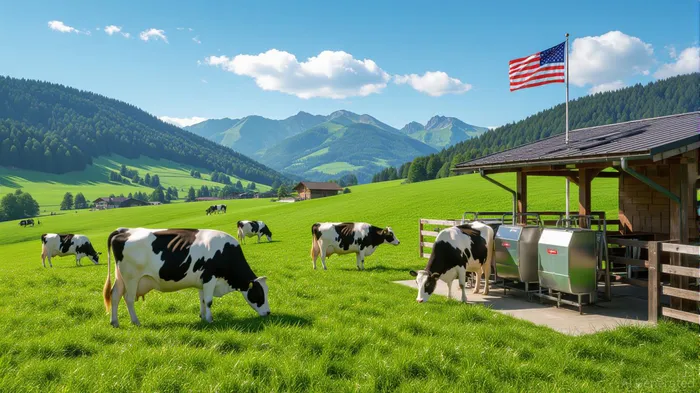 The most tangible short-term benefit of the tariff cuts lies in the dairy sector. Swiss cheese producers, a cornerstone of the country's agricultural exports, now face significantly lower barriers to U.S. markets. According to a report by , Michel Darbellay of the Swiss Farmers' Union described the agreement as a "relief" for dairy farmers, who have struggled with overproduction and price pressures in recent years. The U.S. is a critical market for Swiss dairy products, and the reduced tariffs could stabilize export volumes while supporting domestic production.
Conversely, the meat sector faces immediate headwinds. The U.S. will gain duty-free access to Swiss markets for 3,000 tons of beef, poultry, and fish annually-a fraction of Switzerland's total meat imports, which stood at 100,000 tons in 2024. While industry leaders like Philippe Haeberli of Proviande acknowledge the symbolic nature of these concessions, they caution against complacency. U.S. meat production practices, including the use of growth hormones and chlorine-based disinfection, clash with Swiss regulations and consumer preferences. Swiss consumers, who prioritize traceability and quality, have shown a strong preference for domestic meat, mitigating the immediate threat of U.S. imports.
Long-Term Implications: Market Competition and Investment Flows
The broader agreement, which includes $200 billion in Swiss investments in the U.S. by 2028, signals a strategic shift in bilateral trade relations. For Swiss agribusiness, this investment influx could bolster infrastructure and innovation in the dairy sector, enhancing competitiveness in global markets. However, the concessions in the meat sector may set a precedent for future trade negotiations. As the Swiss Farmers' Union noted, the agreement occurs amid ongoing discussions with Mercosur and other partners, all of which could erode domestic agricultural protections.
The U.S. strategy-part of a broader effort to reduce trade imbalances and address inflation-also raises questions about the durability of Swiss market access. If the U.S. continues to leverage its agricultural surplus to secure trade advantages, Swiss producers may face mounting pressure to adapt. This could manifest in two ways: either through increased imports of U.S. meat undercutting domestic prices or through regulatory adjustments to align with U.S. standards, potentially compromising Swiss quality benchmarks.
Risks and Opportunities for Investors
For investors, the tariff cuts highlight a dual-edged sword. On the one hand, Swiss dairy exporters are poised to benefit from expanded U.S. market access, which could drive revenue growth and margin stability. The $200 billion investment pledge also offers opportunities in agri-tech and supply chain modernization, sectors where Swiss companies excel.
On the other hand, the meat sector's vulnerability underscores the risks of overreliance on trade concessions. While current import volumes are low, shifts in consumer behavior or regulatory changes could amplify the impact of U.S. imports. Investors should monitor Swiss policy responses, such as labeling requirements for imported meat, which could either mitigate or exacerbate these risks. Additionally, the broader trend of U.S. trade rollbacks-seen in negotiations with Argentina and Guatemala-suggests a long-term strategy to reshape global agricultural flows, potentially altering the competitive landscape for Swiss agribusiness.
### Conclusion: Balancing Access and Autonomy
The U.S.-Switzerland tariff agreement reflects a delicate balancing act between expanding market access and preserving domestic agricultural integrity. For Swiss agribusiness, the short-term gains in dairy exports are clear, but the long-term risks in the meat sector and regulatory space require vigilance. Investors must weigh these factors against the broader context of global trade shifts and Swiss policy priorities.
As the Swiss Farmers' Union and industry associations continue to advocate for a cautious approach, the key question remains: Can Swiss agribusiness leverage this agreement to strengthen its global position without sacrificing the quality and regulatory standards that define its brand? The answer will shape not only the future of Swiss agriculture but also the investment opportunities it presents.

Delivering real-time insights and analysis on emerging financial trends and market movements.
Latest Articles
Stay ahead of the market.
Get curated U.S. market news, insights and key dates delivered to your inbox.


AInvest
PRO
AInvest
PRO



Comments
No comments yet