
The Impact of Retail Bankruptcy on Supply Chains and Regional Economies: Navigating Investment Risks in a Shifting Retail Landscape


 Aime Summary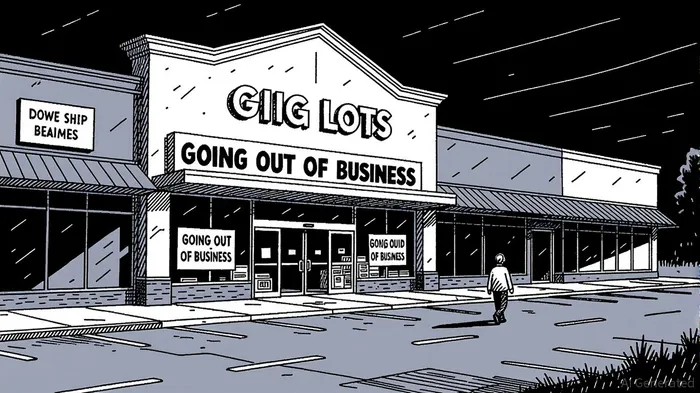
The retail sector has long been a barometer of economic health, but recent years have exposed its fragility. The 2024 bankruptcy of Big Lots, a once-dominant discount retailer, underscores how the collapse of a major player can destabilize supply chains, disrupt local job markets, and reshape regional economies. For investors, understanding these cascading effects—and the strategies to mitigate them—is critical to navigating the volatility of retail-dependent markets.
The Big Lots Collapse: A Case Study in Systemic Risk
Big Lots' Chapter 11 filing in September 2024 marked the culmination of years of operational inefficiencies, outdated technology, and unmet consumer expectations. At its peak, , employing 27,000 workers and serving as a key distribution channel for suppliers of home goods, furniture, and seasonal products. By 2025, , .
The human cost is stark. In economically disadvantaged regions where Big Lots was a primary employer, the job losses have exacerbated local unemployment rates. For example, in rural communities reliant on retail jobs, , according to regional economic reports. Meanwhile, suppliers—many of whom are small-to-medium-sized businesses—face liquidity crises. Unsecured creditors, including manufacturers of home décor and seasonal items, , per bankruptcy filings.
Broader Economic Implications: From Supply Chains to Consumer Behavior
The fallout from Big Lots' collapse extends beyond its immediate stakeholders. The company's failure highlights vulnerabilities in the broader retail supply chain. For instance, the furniture and home furnishings sector, , now faces further consolidation. Competitors like Dollar GeneralDG-- and WalmartWMT-- are capitalizing on the void, accelerating store expansions and intensifying price competition. This shift has forced suppliers to pivot strategies, with some retooling production lines to meet the demand for smaller, lower-cost items.
Consumer behavior has also adapted. Post-bankruptcy, there has been a surge in last-minute holiday shopping at remaining Big Lots locations, but this short-term boost masks long-term challenges. Consumers are increasingly favoring discount retailers with omnichannel capabilities, such as Dollar TreeDLTR-- and AmazonAMZN--, which offer seamless online-offline integration. This trend underscores the importance of digital transformation for retailers seeking to retain market share.
Investment Risks in Retail-Dependent Markets
For investors, the Big Lots case illustrates the systemic risks inherent in retail-dependent economies. Key risks include:
1. Supplier Concentration Risk: Over-reliance on a single retailer can leave suppliers vulnerable to sudden insolvency.
2. Regional Economic Volatility: Retail closures in small towns and strip malls can destabilize local economies, reducing consumer spending and increasing pressure on social safety nets.
3. Operational Inefficiencies: Retailers with outdated inventory systems or poor digital integration are more likely to fail in a competitive, tech-driven market.
Resilient Supply Chain Strategies: Lessons from the Field
To mitigate these risks, companies and investors must adopt resilient supply chain strategies. Key approaches include:
1. Supplier Diversification: 's shift of manufacturing from China to Vietnam and India exemplifies how diversifying suppliers can reduce exposure to geopolitical and financial shocks.
2. Buffer Inventory and AI-Driven Forecasting: Retailers like Walmart use AI to optimize inventory levels, balancing stock availability with carrying costs.
3. Technology Integration: Blockchain platforms, such as 's Food Trust, enhance transparency and trust among supply chain partners, reducing fraud and delays.
4. Regionalization and Sustainability: Companies like Patagonia prioritize regional suppliers and ethical sourcing, aligning resilience with long-term sustainability goals.
Actionable Insights for Investors
- Avoid Overexposure to Retail-Heavy Regions: Investors should scrutinize portfolios for geographic concentration in areas reliant on a single retailer. Diversifying into sectors with less cyclical demand (e.g., healthcare, utilities) can reduce risk.
- Prioritize Tech-Driven Retailers: Firms investing in AI, omnichannel capabilities, and supply chain modernization—such as and —are better positioned to withstand disruptions.
- Monitor Supplier Health: Use credit ratings and liquidity metrics to assess the financial stability of suppliers in retail-dependent industries.
Conclusion: Building a Resilient Investment Portfolio
The collapse of Big Lots is a cautionary tale for investors and a call to action for retailers. As the retail sector continues to evolve, the ability to adapt to digital transformation, supply chain disruptions, and shifting consumer preferences will determine long-term success. By prioritizing diversification, technology, and regional resilience, investors can navigate the volatility of retail-dependent markets while supporting companies poised for sustainable growth.
In an era where retail bankruptcies are becoming more frequent, resilience is no longer optional—it is a strategic imperative.

Stay ahead of the market.
Get curated U.S. market news, insights and key dates delivered to your inbox.


AInvest
PRO
AInvest
PRO



Comments
No comments yet