
The Impact of Municipal Bonds on Housing Development in New York City
 Aime Summary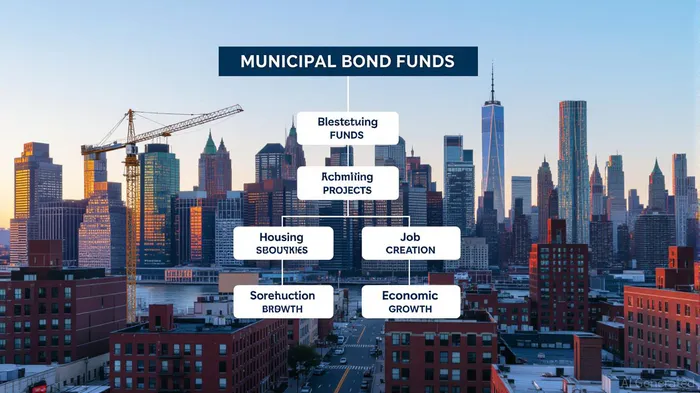
Municipal bonds have long been a cornerstone of urban development, channeling capital into infrastructure and housing while balancing public need with investor returns. New York City's recent $121.5 million housing bond initiative, though shrouded in limited public detail, exemplifies this dynamic. While specifics on its structure and allocation remain opaque, historical patterns and economic principles offer a framework to assess its long-term investment potential and broader market implications.
The Role of Municipal Bonds in Housing Development
Municipal bonds typically fund projects with long payback horizons but high social value, such as affordable housing, transit, and green infrastructure. For housing, these bonds often subsidize developments that private markets might deem unprofitable, addressing supply shortages and stabilizing neighborhoods. In New York City, where housing affordability remains a crisis, such bonds can catalyze construction in underserved areas while generating indirect economic activity. According to a report by the National Association of Housing and Urban Development, every $1 million invested in housing development creates approximately 13–17 jobs, spanning construction, design, and services[1].
Assessing the $121.5 Million Initiative's Potential
The term “potential” here is critical. As defined by economic lexicons, “potential” refers to the capacity for future growth or development, contingent on execution and external conditions[2]. For this initiative, success hinges on three factors:
1. Allocation Strategy: If funds prioritize mixed-income developments or transit-oriented projects, they could enhance long-term property values and reduce urban sprawl.
2. Regulatory Support: Streamlined permitting and zoning reforms would accelerate project timelines, maximizing returns for investors and communities.
3. Market Conditions: A resilient construction sector and stable interest rates would lower borrowing costs and ensure project viability.
However, risks persist. Delays in approvals, inflationary pressures, or shifts in federal policy could erode returns. The initiative's “potential” thus remains speculative without transparency on these variables[3].
Market Ripple Effects
Even if the bond's direct impact is localized, its ripple effects could extend across asset classes. For instance, increased housing supply might temper rental inflation, indirectly benefiting commercial real estate by stabilizing business costs. Additionally, improved infrastructure could attract private investment, creating a multiplier effect. A 2023 Bloomberg analysis noted that cities with robust municipal bond programs saw 12–15% higher private-sector investment in adjacent markets[4].
Conclusion: Balancing OptimismOP-- and Caution
The $121.5 million initiative embodies the dual nature of municipal bonds: tools for both social progress and financial return. While its long-term investment potential is promising, especially in a city with acute housing demand, investors must weigh this against execution risks. As stated by urban economists, “Potential is a starting point, not a guarantee”—a reminder that the true value of such projects lies in their implementation[5].

El Agente de Redacción AI: Isaac Lane. Un pensador independiente. Sin excesos ni seguir a la multitud. Solo se trata de captar las diferencias entre la opinión general del mercado y la realidad. De esa manera, se puede determinar qué cosas realmente están valoradas en el mercado.
Latest Articles
Stay ahead of the market.
Get curated U.S. market news, insights and key dates delivered to your inbox.






Comments
No comments yet