
The Impact of Inflation Expectations on Consumer Discretionary and Banking Sectors: Strategic Adjustments for 2025
 Aime Summary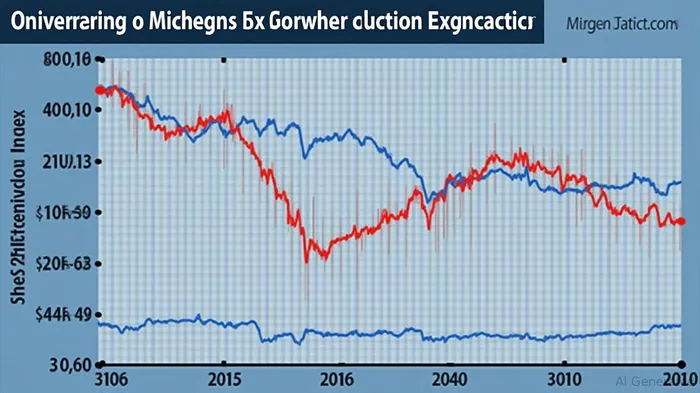
The July 2025 release of the University of Michigan's 5-10 Year Inflation Expectations data—falling to 3.6% from 4.0% in June—marks a nuanced shift in economic sentiment. While the decline aligns with a broader downward trend since February 2025, it still reflects persistent inflationary concerns, hovering above the historically low December 2024 reading. This data point, though not a dramatic miss, signals a critical inflection point for sectors like consumer discretionary and banking, which are acutely sensitive to inflationary pressures and monetary policy adjustments. For investors, understanding these dynamics is key to recalibrating portfolios in anticipation of evolving market conditions.
Consumer Discretionary: A Double-Edged Sword
The consumer discretionary sector, which includes luxury goods, travel, and entertainment, is inherently cyclical and tied to consumer spending power. A decline in long-term inflation expectations to 3.6% suggests that households are becoming less anxious about future price hikes, potentially boosting near-term spending. However, this reading also underscores lingering uncertainty—consumer sentiment remains 16% below December 2024 levels, with tariffs and fiscal policy debates clouding confidence.
Key Implications for Investors:
1. Short-Term Volatility vs. Long-Term Resilience: Lower inflation expectations could temporarily ease demand for discretionary goods as consumers delay purchases, anticipating future price stability. Conversely, if inflation stabilizes at 3.6%, discretionary spending may rebound, particularly in travel and leisure.
2. Pricing Power and Margins: Companies with strong brand equity (e.g., NikeNKE--, Tesla) may retain pricing power, but those reliant on input cost pass-through (e.g., auto manufacturers) face margin compression if input costs outpace consumer spending.
Actionable Strategy:
- Defensive Positioning: Overweight companies with recurring revenue streams (e.g., subscription-based services like Netflix) to buffer against spending volatility.
- Underweight Cyclical Sub-Sectors: Reduce exposure to luxury goods and auto retailers until consumer confidence normalizes.
- Monitor Tariff Developments: A 90-day pause in “reciprocal tariffs” in April 2025 briefly stabilized markets; further policy clarity could unlock spending.
Banking: Navigating Rate-Cut Uncertainty
The banking sector's performance is inextricably linked to interest rates. With the July inflation data falling short of expectations (if the market had priced in a sharper decline), the Federal Reserve's path to rate cuts becomes pivotal. A 3.6% long-term inflation expectation suggests the Fed may adopt a cautious approach, delaying aggressive cuts until Q4 2025, as implied by the baseline economic forecast.
Key Implications for Investors:
1. Net Interest Margins (NIMs): Prolonged high rates could erode NIMs for banks, particularly regional players with higher deposit costs. Conversely, a delayed rate cut would preserve margins in the near term.
2. Credit Risk: Lower inflation expectations may reduce demand for loans, but a stable macroeconomic environment could limit defaults.
Actionable Strategy:
- Sector Rotation: Favor banks with diversified fee income (e.g., JPMorgan ChaseJPM--, Mastercard) to offset potential NIM compression.
- Short the Volatility: Consider short positions in regional banks exposed to rate-sensitive commercial real estate loans.
- Leverage Policy Leverage: Watch for the resumption of bonus depreciation under the Tax Cuts and Jobs Act, which could boost business lending activity.
Portfolio Adjustments in a Shifting Macro Landscape
The interplay between inflation expectations and sector-specific risks demands a dynamic approach:
- Diversify Across Inflation Hedges: While consumer discretionary and banking face distinct challenges, sectors like utilities (e.g., NextEra Energy) and real estate (e.g., Prologis) offer inflation-resistant returns.
- Rebalance for Liquidity: Maintain a 15–20% cash allocation to capitalize on market dips, particularly if the Fed's dovish pivot is delayed.
- Hedge Policy Risk: Use Treasury Inflation-Protected Securities (TIPS) or gold ETFs to offset sector-specific volatility.
Conclusion
The July 2025 inflation expectations data, though modestly lower, signals a critical phase in the inflation cycle. For consumer discretionary, the path forward hinges on consumer confidence and trade policy clarity. For banking, the Fed's response to inflation will dictate margin resilience. Investors who proactively adjust their portfolios to account for these sector-specific dynamics—whether by hedging policy risks or rotating into defensive plays—will be better positioned to navigate the uncertainties of a post-pandemic economy. As always, staying attuned to both macroeconomic trends and granular sector fundamentals remains the cornerstone of long-term success.

Stay ahead of the market.
Get curated U.S. market news, insights and key dates delivered to your inbox.


AInvest
PRO
AInvest
PRO



Comments
No comments yet