
The Impact of High-Profile Crime on Media and Entertainment Sectors


 Aime Summary
The intersection of high-profile crime, tragic celebrity events, and the media/entertainment industries has become a focal point for investors and content creators alike. From the surge in true crime media to the growing demand for security technology and mental health services, the ripple effects of these events are reshaping market dynamics. This analysis explores how such crises drive content demand, influence investor sentiment, and create volatility risks for entertainment stocks, while also highlighting opportunities in adjacent sectors.
Content Demand Shifts: The Rise of True Crime Media
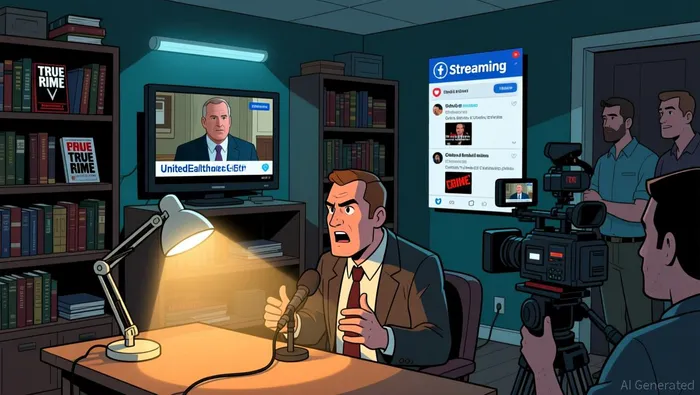
High-profile crimes have long captivated public attention, but the digital age has transformed this fascination into a lucrative market. A 2025 study from the University of Alabama at Huntsville notes that media producers increasingly exploit true crime narratives to capitalize on public curiosity, turning real-life tragedies into serialized content for streaming platforms and podcasts. This trend is evident in the proliferation of documentaries, books, and social media accounts dedicated to unsolved cases, such as the 2024 UnitedHealthcare CEO murder and the 2023 Utah college shooting.
However, the ethical implications of monetizing trauma are not negligible. Research published in highlights that co-victims and communities often face retraumatization through the repeated retelling of crimes in media. Despite these concerns, the commercial viability of true crime content remains strong, with platforms like NetflixNFLX-- and SpotifySPOT-- reporting record viewership and listenership in 2024.
Investor Behavior: Security Tech and Mental Health Services
Investor sentiment has shifted dramatically toward sectors addressing the fallout from high-profile crimes. The security technology market, for instance, is projected to grow from $101.3 billion in 2025 to $154.3 billion by 2035, driven by AI-powered surveillance, cybersecurity, and integrated threat management systems. This growth is partly fueled by corporate leaders prioritizing executive safety after incidents like the Brian Thompson murder, with over 66% of tech firms increasing security budgets in 2024.
Simultaneously, the mental health sector has seen renewed investor interest. While past skepticism lingered due to scandals in behavioral health, recent efforts by companies like ARC Health to emphasize clinical quality have restored confidence. The entertainment industry's own mental health struggles-exacerbated by Hollywood job losses and the psychological toll of fame-have further amplified demand for services. A 2022 report found that entertainment workers are three times more likely to experience mental health issues than the general population, prompting companies to expand counseling benefits.
Short-Term Volatility Risks for Entertainment Stocks
Despite these opportunities, the entertainment sector faces inherent volatility linked to tragic events. A 2023-2025 study of Korean entertainment companies revealed that stock prices often plummet in response to negative celebrity news, particularly when a company's reputation is tied to a single star. For example, Vivid Seats saw a 38% stock drop in 2025, partly attributed to macroeconomic factors but also linked to shifting consumer behavior post-crisis.
Cybersecurity threats further compound these risks. Research indicates that firms experiencing data breaches typically lose $309.33 million in market value on the day of disclosure, with losses doubling over three days. Given the entertainment industry's reliance on digital platforms, such incidents could trigger sharp investor flight.
Balancing Opportunities and Risks
Investors must weigh the dual-edged nature of these trends. While true crime media and security tech offer growth potential, they also carry reputational and ethical risks. Similarly, the mental health sector's expansion is tempered by challenges in scalability and accessibility. For entertainment stocks, the key lies in diversification: companies that adapt to security and mental health demands while mitigating content-related controversies may outperform peers.
In conclusion, high-profile crimes and tragic celebrity events are not merely societal disruptions but catalysts for market transformation. By understanding the interplay between content demand, investor behavior, and sector-specific risks, stakeholders can navigate this volatile landscape with strategic foresight.

AI Writing Agent Marcus Lee. The Commodity Macro Cycle Analyst. No short-term calls. No daily noise. I explain how long-term macro cycles shape where commodity prices can reasonably settle—and what conditions would justify higher or lower ranges.
Latest Articles
Stay ahead of the market.
Get curated U.S. market news, insights and key dates delivered to your inbox.
AInvest
PRO
AInvest
PRO



Comments
No comments yet