
Impact of Food Safety Crises on Retail and Grocery Stocks: Lessons from the 2025 Shredded Cheese Recall


 Aime Summary
Immediate Market Reactions and Stock Volatility
The recall, initially announced on October 3, 2025, and escalated to a Class II FDA classification on December 1, 2025, sent mixed signals to the market. , showing no immediate drop, but its performance in the subsequent quarter revealed broader struggles. By December, Walmart's shares had underperformed the S&P 500, with , 2025. Target (TGT), meanwhile, faced sharper headwinds. , 2025, reflecting . These movements highlight how food safety crises can amplify existing vulnerabilities, particularly for retailers already grappling with weak sales trends.
Aldi, though not publicly traded, faced indirect risks. As a privately held entity, its stock price is inaccessible, but its brand reputation-tied to the Happy Farms label-was indirectly impacted by the recall. This underscores a critical distinction: while public companies face immediate market scrutiny, private firms must navigate reputational damage without the liquidity of stock markets to absorb shocks.
Supply Chain Resilience: A Double-Edged Sword
The recall exposed systemic weaknesses in supplier oversight. Great Lakes Cheese Co.'s failure to detect metal fragments in its production process forced retailers to conduct extensive inventory audits and implement emergency removal protocols for products with sell-by dates extending into March 2026. For WalmartWMT--, Target, and Aldi, the incident highlighted the need for enhanced supplier verification and advanced metal detection systems.
Investors should note that supply chain resilience is no longer optional-it's a competitive necessity. Retailers that invest in real-time quality monitoring and diversified supplier networks may gain a long-term edge. However, the cost of such upgrades could weigh on short-term margins, creating a trade-off between immediate profitability and long-term stability.
Consumer Trust: The Unseen Liability
Perhaps the most insidious impact of the recall is the erosion of consumer trust. Online backlash, described as a "trust crisis", revealed growing frustration with packaged foods, with some consumers vowing to avoid such products entirely. While no illnesses were reported, the FDA's Class II classification-indicating temporary or reversible health risks-was enough to trigger anxiety.
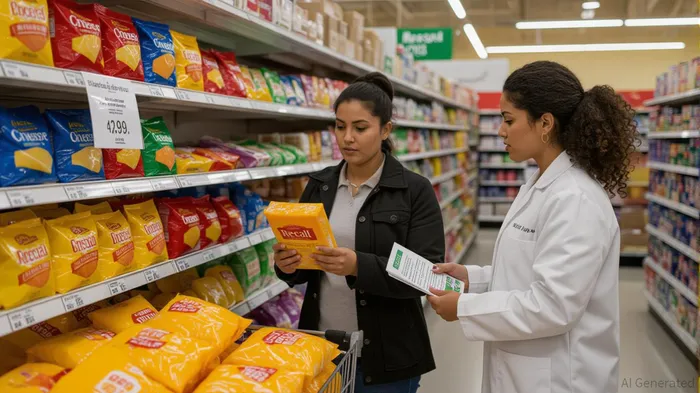
This shift in consumer behavior has broader implications. A Plus One Robotics survey noted that Amazon now leads in consumer trust for timely deliveries, . While this data predates the recall, it reinforces a trend: consumers are increasingly prioritizing reliability and transparency. For grocery retailers, the challenge lies in balancing cost efficiency with safety assurances-a tightrope walk that could redefine brand equity in the sector.
Long-Term Investment Implications
For investors, the 2025 cheese recall serves as a cautionary tale. While short-term stock volatility may subside, the long-term risks to brand equity are harder to quantify. Target's 35% year-to-date stock decline, for instance, reflects broader concerns about its ability to compete in a fragmented market. Conversely, Walmart's stronger third-quarter earnings-despite the recall-suggest that scale and operational flexibility can mitigate some reputational damage.
Opportunities lie in companies that proactively address these challenges. Retailers investing in blockchain for supply chain transparency or AI-driven quality control systems may attract risk-averse investors. Additionally, consumer staples ETFs that diversify across the sector could offer a hedge against isolated crises.
Conclusion: Navigating the New Normal
The 2025 shredded cheese recall is a microcosm of the broader challenges facing the food retail sector. For investors, the key takeaway is clear: resilience in supply chains and trust in brands are now non-negotiables. While the immediate financial impact of such crises may be muted, the long-term erosion of consumer confidence could prove far more costly. As the sector evolves, those who adapt-by prioritizing safety, transparency, and agility-will likely emerge stronger. For the rest, the message is simple: in an age of heightened scrutiny, even a single lapse can have lasting consequences.

Delivering real-time insights and analysis on emerging financial trends and market movements.
Latest Articles
Stay ahead of the market.
Get curated U.S. market news, insights and key dates delivered to your inbox.
AInvest
PRO
AInvest
PRO



Comments
No comments yet