
The Impact of ERCOT's RTC+B on Energy Storage and Grid Efficiency in Texas
 Aime Summary
A Multi-Billion Dollar Upgrade for Grid Efficiency
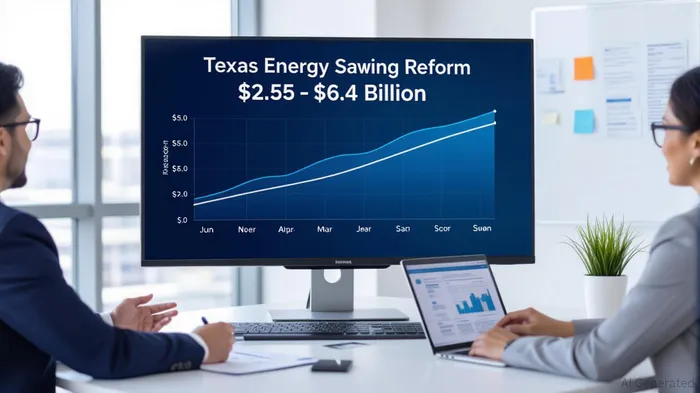
ERCOT's RTC+B design replaces the outdated Operating Reserve Demand Curve (ORDC) with Ancillary Service Demand Curves (ASDCs), enabling the simultaneous co-optimization of energy and ancillary services in real time. This shift allows for more precise valuation of grid reliability resources, including batteries, which can now bid into the real-time market as flexible assets capable of providing voltage support, frequency regulation, and backup power. According to a 2024 ERCOT study, these changes are expected to reduce system costs by 17–21%, translating to annual savings of $2.5–$6.4 billion. The Independent Market Monitor (IMM) corroborates these projections, emphasizing that batteries will play a central role in unlocking these efficiencies by reducing reliance on costly, inefficient reserve markets.
Batteries as Grid-Critical Assets-With New Challenges
 Energy Storage Resources (ESRs), particularly large-scale batteries, are now integral to ERCOT's real-time operations. By dispatching batteries alongside traditional generation, ERCOT can respond dynamically to demand fluctuations, curtailment risks, and renewable intermittency. This integration is a win for grid reliability, but it also introduces complexity for storage investors. While batteries are now recognized as essential for maintaining stability, the RTC+B's emphasis on co-optimization may reduce price volatility-the very factor that has historically driven premium revenues for storage assets. Investors must weigh the long-term value of participating in a more efficient grid against the potential for compressed margins in a system where scarcity pricing is less frequent.
Strategic Opportunities for Clean Energy Buyers and Investors
The RTC+B's go-live represents more than a technical upgrade-it's a structural shift in how Texas values and compensates grid services. For clean energy buyers, this means lower wholesale costs and enhanced access to storage-backed power purchase agreements (PPAs), which can hedge against price swings in a real-time-optimized market. According to the study, these changes are expected to reduce system costs by 17–21%, translating to annual savings of $2.5–$6.4 billion. For storage developers, the challenge lies in adapting business models to the new paradigm. Batteries will need to demonstrate value beyond energy arbitrage, such as through ancillary service revenue streams or hybrid configurations that pair storage with solar or wind assets.
Investors who act swiftly can position themselves to benefit from this transition. The Public Utility Commission of Texas (PUCT) mandated the RTC+B rollout to address reliability concerns and integrate storage, creating a regulatory tailwind for early adopters. Moreover, the RTC+B Task Force's extensive market trials and training programs have minimized implementation risks, ensuring a smoother transition for participants. This reduces uncertainty for investors seeking to deploy capital in a market poised for growth.
Why Now?
The clean energy transition is accelerating, but its success depends on infrastructure that can keep pace. ERCOT's RTC+B is a blueprint for how modern grids can leverage storage to balance efficiency and reliability. With annual savings in the billions and batteries now embedded in real-time operations, Texas is setting a precedent for other markets. For investors, the window to secure high-impact positions in this evolving landscape is narrowing. The question isn't whether to invest-it's how to adapt to a grid where flexibility, not just capacity, defines value.

Blending traditional trading wisdom with cutting-edge cryptocurrency insights.
Latest Articles
Stay ahead of the market.
Get curated U.S. market news, insights and key dates delivered to your inbox.






Comments
No comments yet