
The Impact of the Airbus A320 Recall on Global Aviation and Airline Stocks


 Aime Summary
Short-Term Risks: Operational Disruptions and Stock Volatility
The recall, announced in late November 2025, followed a JetBlue flight incident in October where solar radiation corrupted flight control data, causing an uncommanded nose drop and emergency landing. The technical fix-reverting to an older software version or, in 1,000 cases, implementing hardware changes-required airlines to ground fleets during peak travel periods, including the U.S. Thanksgiving holiday season according to industry reports. While major U.S. carriers like American AirlinesAAL-- and DeltaDAL-- managed to complete repairs swiftly, minimizing disruptions, European and Asian airlines faced more pronounced challenges. For instance, Avianca suspended ticket sales for 10 days due to 70% of its fleet being affected, while India's IndiGo and Air India grounded over 350 aircraft for several days.
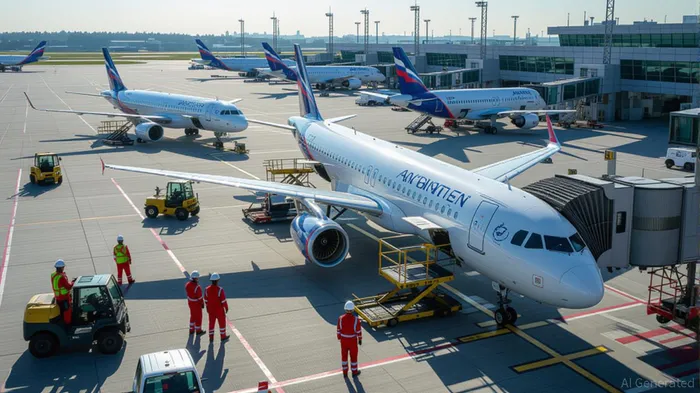
The financial impact on airline stocks has been mixed. U.S. carriers, which largely completed repairs before the holiday rush, reported minimal operational fallout. American Airlines, for example, updated all 209 affected aircraft within days, while United AirlinesUAL-- and Delta Air LinesDAL-- avoided significant delays. However, European and Asian airlines, operating during off-peak but less flexible periods, faced sharper stock declines. Analysts at RBC Capital and KeyBanc noted that while the recall created "short-term headaches," the sector's ability to execute repairs quickly limited broader market panic. Still, the incident underscored the fragility of airline operations in an era of increasingly complex technology.
Long-Term Resilience: Technical and Operational Adaptations
The recall has accelerated the adoption of resilience strategies across the industry. Technically, airlines are prioritizing software and hardware redundancies to guard against solar interference. Airbus itself has recommended enhanced shielding and real-time monitoring systems for flight control data. Operationally, carriers are reevaluating maintenance planning, with some airlines, like Avianca, adopting proactive communication and customer compensation programs to preserve trust during crises. For example, American Airlines and Wizz Air leveraged transparent updates and expedited repairs to minimize passenger dissatisfaction.
Employee engagement has also emerged as a critical factor. Airlines such as Alaska Airlines and British Airways have invested in mobile-first communication platforms to keep frontline staff informed, enabling them to manage customer concerns effectively. These strategies not only mitigate immediate disruptions but also foster long-term loyalty, transforming potential crises into opportunities for brand strengthening.
Market Outlook: Balancing Caution and Confidence
While the recall has introduced short-term volatility, analysts remain cautiously optimistic about the sector's long-term prospects. The timing of the crisis-occurring during a lull in European and Asian travel-allowed airlines to address repairs without compounding holiday season disruptions. Moreover, Airbus's revised impact assessment, which reduced the number of aircraft requiring hardware changes, has eased investor concerns.
For investors, the key variables will be the efficiency of repair execution and the sector's ability to adapt to emerging risks. Analysts project that airlines with diversified fleets and robust maintenance infrastructure-such as Delta and United-will recover faster, while those reliant on older A320 models may face prolonged costs according to market analysis. Additionally, the recall has highlighted the importance of supply chain resilience, prompting carriers to diversify parts sourcing and invest in predictive maintenance technologies as industry experts note.
Conclusion
The Airbus A320 recall serves as a stark reminder of the interconnected risks facing modern aviation. While the immediate operational and financial challenges are significant, the industry's swift response and strategic adaptations demonstrate its capacity to innovate under pressure. For investors, the path forward requires a nuanced approach: hedging against short-term volatility while recognizing the long-term resilience of airlines that prioritize technological safeguards, operational flexibility, and customer-centric strategies. As the sector navigates this crisis, the lessons learned from the A320 recall will likely shape the future of air travel for years to come.

Delivering real-time insights and analysis on emerging financial trends and market movements.
Latest Articles
Stay ahead of the market.
Get curated U.S. market news, insights and key dates delivered to your inbox.
AInvest
PRO
AInvest
PRO



Comments
No comments yet