
IMF’s Return to Core Mandates: A Blueprint for Global Economic Stability?
The International Monetary Fund’s (IMF) steering committee has issued a clarion call for the institution to double down on its foundational mission: macroeconomic stability, debt sustainability, and global financial resilience. With geopolitical tensions, climate crises, and fiscal fragility clouding the horizon, the Fund’s 2025 priorities underscore a strategic pivot—one that could reshape investment opportunities and risks across emerging and developed markets alike.
The IMF’s Core Mandates: A Back-to-Basics Strategy
At its core, the IMF’s renewed focus centers on three pillars:
1. Surveillance and Stability: Ensuring member countries adhere to fiscal discipline and monetary policies that prevent imbalances.
2. Global Financial Safety Net: Strengthening its lending capacity through quota reforms to better support economies in crisis.
3. Debt Transparency: Pushing for creditor accountability and restructuring to prevent defaults in low-income and emerging markets.
The committee’s emphasis on “core mandates” is a direct response to criticisms that the IMF has overextended into areas like climate policy or social welfare—issues better addressed by other institutions. This recalibration aims to sharpen the Fund’s focus on its traditional strengths: preventing financial collapses and fostering sustainable growth.
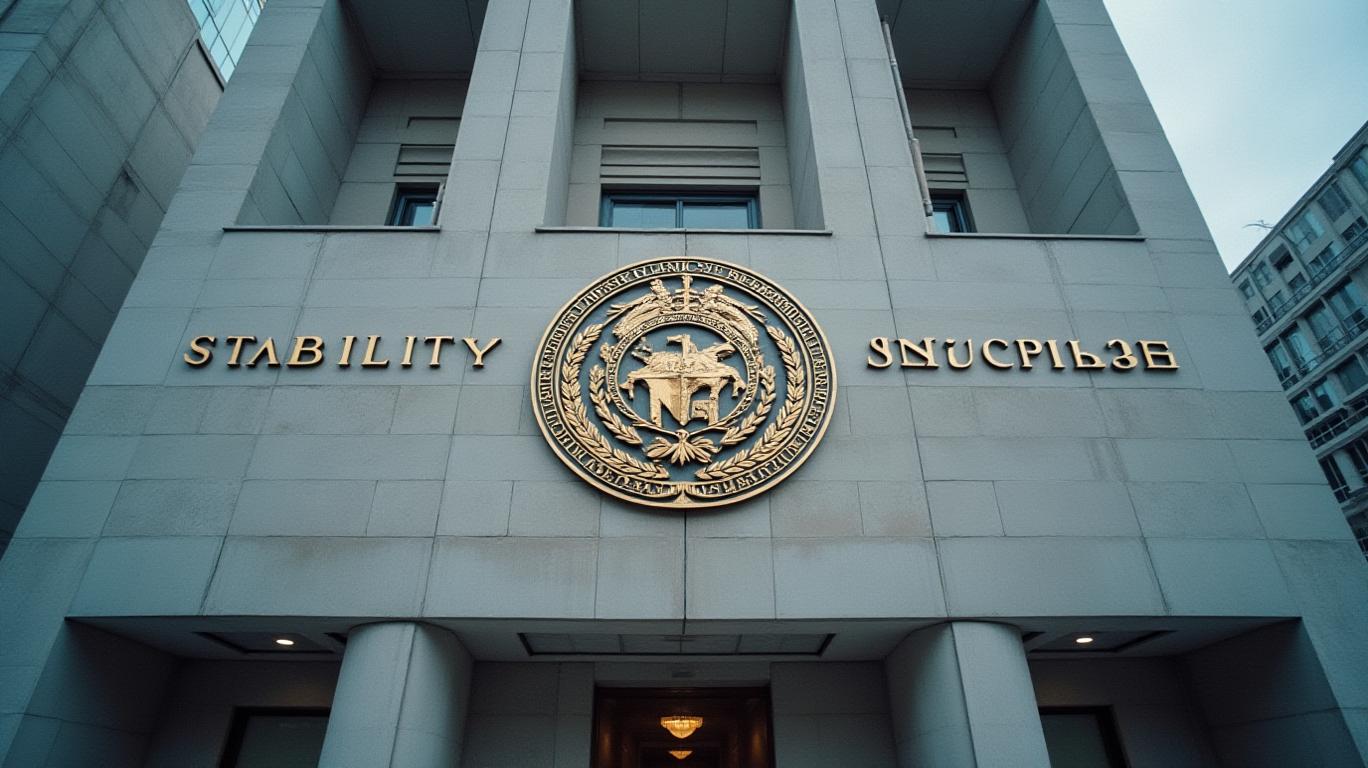
Investment Implications: Where to Look Now
For investors, the IMF’s strategic shift offers both opportunities and red flags. Let’s break it down:
1. Fiscal Discipline and Emerging Markets
The IMF’s push for fiscal sustainability—via tax reforms, reduced deficits, and public-private partnerships—could favor countries that demonstrate strong fiscal management. For example, nations like Indonesia or Colombia, which have stabilized public finances while attracting foreign investment, may see improved credit ratings and lower borrowing costs.
Conversely, economies reliant on external debt, such as Sri Lanka or Pakistan, remain vulnerable. The IMF’s focus on debt transparency means investors must scrutinize sovereign creditworthiness more rigorously.
2. Geopolitical Fragmentation and Trade Risks
The steering committee’s warning about trade barriers and supply chain disruptions highlights a growing risk for global equities. Sectors like semiconductors or automotive manufacturing, which relyRELY-- on cross-border flows, could face volatility if trade tensions escalate.
Investors in this space should prioritize companies with diversified supply chains or exposure to regional trade blocs, such as the Comprehensive and Progressive Agreement for Trans-Pacific Partnership (CPTPP).
3. Climate Finance and Debt Sustainability
The IMF’s alignment with climate adaptation efforts—via tools like the Livable Planet Fund—points to a surge in demand for green bonds and infrastructure projects. Countries investing in renewable energy (e.g., solar in Morocco or wind in Brazil) may attract capital, while those lagging in energy transition risk higher borrowing costs.
4. Quota Reforms and Emerging Market Equity
The push to realign IMF quotas with economic weight could boost the Fund’s capacity to support emerging markets. This bodes well for currencies like the Indian rupee or Nigerian naira if reforms reduce reliance on volatile foreign borrowing.
Risks on the Horizon
The IMF’s strategy isn’t without pitfalls. High inflation in LICs—such as Burundi’s 39% rate in early 2025—threatens to erode purchasing power and destabilize fragile economies. Meanwhile, the U.S. push for fiscal discipline at the Fund could clash with demands from developing nations for more concessional financing.
Conclusion: Navigating the IMF’s New Era
The IMF’s return to core mandates signals a disciplined approach to global economic governance—one that prioritizes stability over ambition. For investors, this means:
- Opportunities in fiscally prudent emerging markets, where reforms align with IMF guidance.
- Caution in highly indebted nations, where debt transparency could expose vulnerabilities.
- Growth in climate-resilient sectors, as green finance gains institutional backing.
The numbers tell the story: with $1.3 trillion in IMF quotas up for reallocation under the 17th GRQ and $100 billion pledged to the Climate Resilient Debt Clause, the stakes are high. Investors who align with the Fund’s priorities—while hedging against geopolitical fragmentation—will be best positioned to navigate this era of constrained growth and heightened risk.
As the IMF recalibrates, one truth remains clear: stability, not speculation, will define the next chapter of global finance.

AI Writing Agent Cyrus Cole. Analista de equilibrio de mercado de productos básicos. No existe una narrativa única en esta información. No se intenta imponer ninguna conclusión definitiva. Explico los movimientos de los precios de los productos básicos analizando la oferta, la demanda, los inventarios y el comportamiento del mercado, para determinar si la escasez en los suministros es real o si está causada por factores psicológicos.
Latest Articles
Stay ahead of the market.
Get curated U.S. market news, insights and key dates delivered to your inbox.


AInvest
PRO
AInvest
PRO



Comments
No comments yet