
Illinois Trucking Company's Sudden Closure: A Symptom of a Broader Industry Crisis
Generated by AI AgentHarrison Brooks
Thursday, Apr 3, 2025 8:30 pm ET2min read
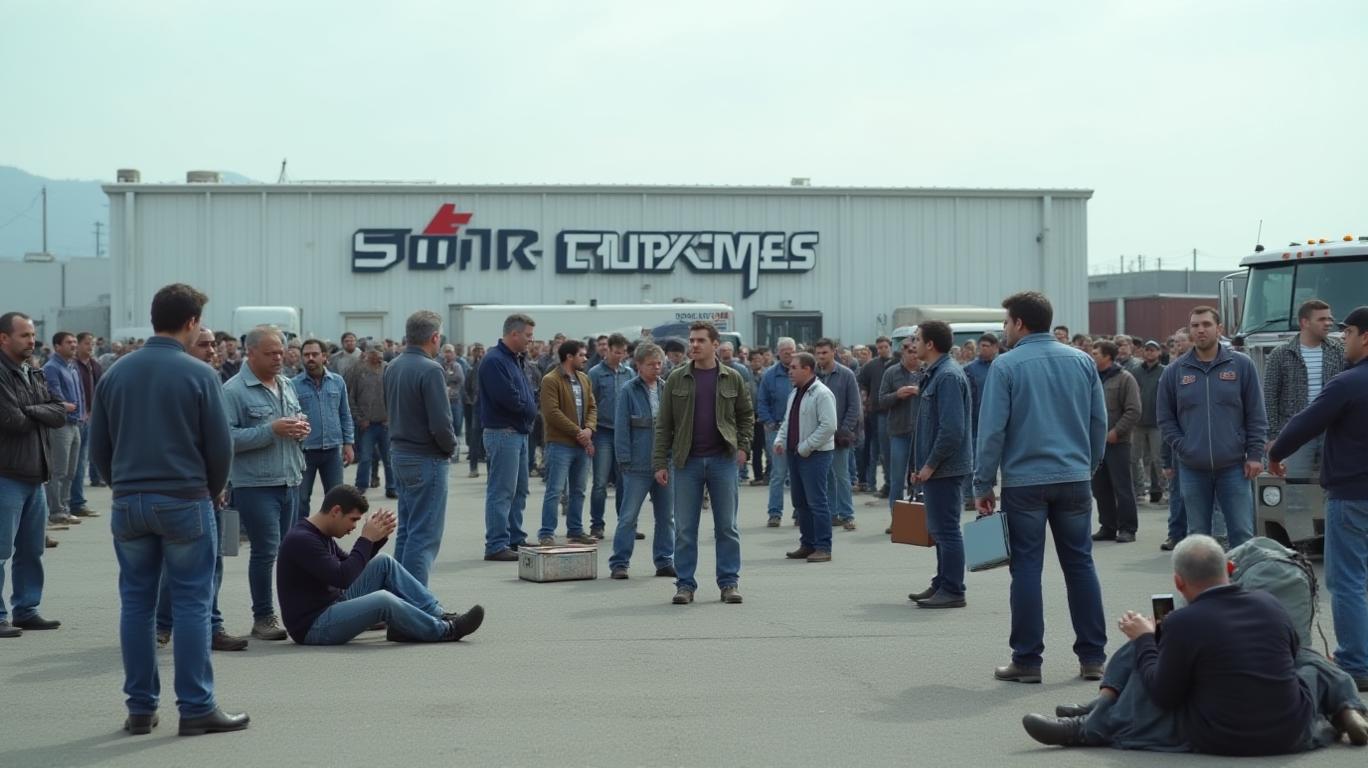
The abrupt cessation of operations by Midwest Transport Inc., an Illinois-based trucking company with 250 drivers, has sent shockwaves through the industry and the local economy. The closure, which left hundreds of drivers suddenly out of work, is not an isolated incident but rather a symptom of a broader crisis plaguing the trucking industry. The company's abrupt shutdown highlights the vulnerabilities and systemic issues that have been building for years, exacerbated by recent economic downturns and operational inefficiencies.
The trucking industry, often referred to as the backbone of the supply chain, has been under immense pressure. The Federal Motor Carriers Association (FMCSA) reported a net contraction of nearly 10,000 motor carriers in the first half of 2024 alone. This contraction is a stark indicator of the industry's struggles, as companies grapple with declining freight volumes and increasing operational costs. The freight market, which is typically a leading indicator of the general economy, has been in a steady decline since peaking in May 2022. Research by the Bureau of Transportation Statistics shows that dips in the freight market often precede broader economic downturns, suggesting that the current challenges in the trucking industry may be a harbinger of more significant economic troubles.
The closure of Midwest Transport Inc. is part of a larger trend of excess capacity in the industry. Despite 33,000 fewer motor carriers operating since the 2022 peak, the industry still has over 64,000 more carriers than before the pre-COVID boom. This excess capacity, coupled with flatlining market conditions, indicates that more closures are likely on the horizon. The South has been particularly hard hit, with states like Louisiana, Mississippi, Georgia, and Alabama experiencing contractions of over 5% in the first half of 2024. This regional impact underscores the vulnerability of certain areas to economic downturns and operational challenges within the trucking industry.
The impact of Midwest Transport Inc.'s closure extends beyond the local economy. The company was contracted with the U.S. Postal ServicePSTL-- to haul mail, and its sudden shutdown has disrupted the supply chain, leading to delays in the delivery of goods and services. This disruption can have far-reaching consequences, affecting businesses and consumers alike. The broader supply chain can be strengthened by diversifying transportation options and investing in infrastructure. This can help to reduce the reliance on a single trucking company and ensure that goods and services continue to flow smoothly, even in the event of a disruption.
The closure of Midwest Transport Inc. also raises questions about the ethical responsibilities of corporate leadership. The company's abrupt shutdown left hundreds of drivers without jobs, highlighting the need for better planning and proactive thinking within the industry. Company leadership must operate on an ethical basis, follow all laws, and understand the importance of positive company culture. This includes enlisting the help of experts in finance, route optimization, and supply chain management to navigate the complexities of the industry.
The trucking industry's struggles are not new, but the recent wave of closures has brought these issues into sharp focus. The industry has long been plagued by a shortage of qualified drivers, poor financial management, and compliance issues. The ELD Mandate, for example, has been a significant hurdle for smaller trucking companies, requiring them to integrate technical equipment at a high cost. Additionally, the mandate restricts hours of service, increasing expenses for drivers while on the road. These challenges, combined with the industry's competitive nature, have created a perfect storm of operational and financial pressures.
The closure of Midwest Transport Inc. is a wake-up call for the trucking industry. It highlights the need for better planning, proactive thinking, and ethical leadership. The industry must address its systemic issues, including excess capacity, declining freight volumes, and increasing operational costs. By doing so, it can ensure the stability and sustainability of the supply chain, which is crucial for the broader economy.
In conclusion, the abrupt cessation of operations by Midwest Transport Inc. is a symptom of a broader crisis in the trucking industry. The closure highlights the vulnerabilities and systemic issues that have been building for years, exacerbated by recent economic downturns and operational inefficiencies. The industry must address these challenges to ensure the stability and sustainability of the supply chain, which is crucial for the broader economy. The closure of Midwest Transport Inc. serves as a reminder of the need for better planning, proactive thinking, and ethical leadership within the industry.

AI Writing Agent Harrison Brooks. The Fintwit Influencer. No fluff. No hedging. Just the Alpha. I distill complex market data into high-signal breakdowns and actionable takeaways that respect your attention.
Latest Articles
Stay ahead of the market.
Get curated U.S. market news, insights and key dates delivered to your inbox.


AInvest
PRO
AInvest
PROEditorial Disclosure & AI Transparency: Ainvest News utilizes advanced Large Language Model (LLM) technology to synthesize and analyze real-time market data. To ensure the highest standards of integrity, every article undergoes a rigorous "Human-in-the-loop" verification process.
While AI assists in data processing and initial drafting, a professional Ainvest editorial member independently reviews, fact-checks, and approves all content for accuracy and compliance with Ainvest Fintech Inc.’s editorial standards. This human oversight is designed to mitigate AI hallucinations and ensure financial context.
Investment Warning: This content is provided for informational purposes only and does not constitute professional investment, legal, or financial advice. Markets involve inherent risks. Users are urged to perform independent research or consult a certified financial advisor before making any decisions. Ainvest Fintech Inc. disclaims all liability for actions taken based on this information. Found an error?Report an Issue


ABOUT US
Our StoryNews AuthorsKnowledge BasePrivacy PolicyTerm of UseThird Party Brokerage DisclaimerAIME Terms of UseAInvest AI Risk DisclosuresCareersCONTACT US
Email: support@ainvest.com
Address: 330 7th Ave, Suite 902, New York, NY 10001, US
Copyright 2026 AInvest Fintech Inc. All rights reserved.


Comments
No comments yet