
IGV Pulls In Billions Despite 19% Price Drop
Generated by AI AgentAinvest ETF Daily BriefReviewed byAInvest News Editorial Team
Tuesday, Feb 10, 2026 7:04 pm ET2min read
 Aime Summary
=== INPUT ARTICLE ===
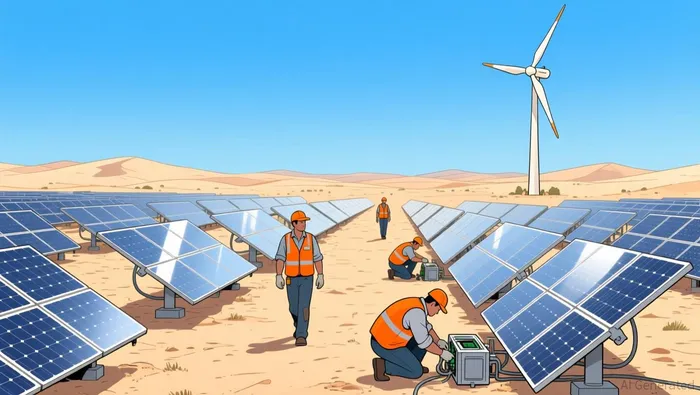
The rise of renewable energy in recent decades has transformed the global energy landscape. As concerns about climate change have intensified, governments and private sectors have invested heavily in solar, wind, and hydroelectric power. In 2000, renewable energy accounted for less than 5% of global electricity generation, but by 2023, this figure had climbed to over 30%. This shift has not only reduced the carbon footprint of energy production but has also spurred the development of new technologies and industries.
One of the most significant drivers of this change has been the dramatic decrease in the cost of solar panels. Prices have dropped by more than 80% since 2010, making solar energy more accessible to households and businesses alike. Similarly, the cost of wind energy has also declined, with onshore wind becoming one of the cheapest sources of electricity in many parts of the world. These advancements have been supported by both public and private investment, including subsidies, tax incentives, and research funding.
 The growing adoption of renewables has also had a ripple effect on other industries. The automotive sector, for example, has seen a surge in electric vehicle (EV) production, as companies race to meet changing consumer preferences and regulatory requirements. Major automakers have announced plans to phase out internal combustion engine vehicles in the coming decades, with some setting ambitious targets for EV adoption. This transition has created new markets for battery manufacturers, charging infrastructure providers, and software developers.
In addition to technological and economic factors, cultural and social trends have also played a role in the shift toward renewables. A new generation of environmentally conscious consumers has driven demand for green energy and sustainable products. This has led to the growth of green certifications and labels, which help consumers make informed choices. Moreover, grassroots movements and activist organizations have pushed for stronger environmental policies, influencing legislation and corporate behavior on a global scale.
Despite these positive developments, challenges remain. The intermittent nature of solar and wind energy requires investment in energy storage solutions, such as batteries and pumped hydro. Grid infrastructure must also be upgraded to handle the variable supply of renewable energy. In some regions, political and economic barriers continue to hinder the transition, with traditional energy sectors resisting change and lobbying against renewable incentives. However, the momentum behind renewables appears unstoppable, and experts predict that the share of clean energy in the global energy mix will continue to grow in the coming years.
The transition to a low-carbon economy is not just an environmental imperative—it is also an economic opportunity. Countries that lead in renewable energy innovation are attracting investment, creating jobs, and positioning themselves as global leaders. As the technology continues to improve and costs decline further, the dream of a fully sustainable energy system is moving closer to reality.
The growing adoption of renewables has also had a ripple effect on other industries. The automotive sector, for example, has seen a surge in electric vehicle (EV) production, as companies race to meet changing consumer preferences and regulatory requirements. Major automakers have announced plans to phase out internal combustion engine vehicles in the coming decades, with some setting ambitious targets for EV adoption. This transition has created new markets for battery manufacturers, charging infrastructure providers, and software developers.
In addition to technological and economic factors, cultural and social trends have also played a role in the shift toward renewables. A new generation of environmentally conscious consumers has driven demand for green energy and sustainable products. This has led to the growth of green certifications and labels, which help consumers make informed choices. Moreover, grassroots movements and activist organizations have pushed for stronger environmental policies, influencing legislation and corporate behavior on a global scale.
Despite these positive developments, challenges remain. The intermittent nature of solar and wind energy requires investment in energy storage solutions, such as batteries and pumped hydro. Grid infrastructure must also be upgraded to handle the variable supply of renewable energy. In some regions, political and economic barriers continue to hinder the transition, with traditional energy sectors resisting change and lobbying against renewable incentives. However, the momentum behind renewables appears unstoppable, and experts predict that the share of clean energy in the global energy mix will continue to grow in the coming years.
The transition to a low-carbon economy is not just an environmental imperative—it is also an economic opportunity. Countries that lead in renewable energy innovation are attracting investment, creating jobs, and positioning themselves as global leaders. As the technology continues to improve and costs decline further, the dream of a fully sustainable energy system is moving closer to reality.
The growing adoption of renewables has also had a ripple effect on other industries. The automotive sector, for example, has seen a surge in electric vehicle (EV) production, as companies race to meet changing consumer preferences and regulatory requirements. Major automakers have announced plans to phase out internal combustion engine vehicles in the coming decades, with some setting ambitious targets for EV adoption. This transition has created new markets for battery manufacturers, charging infrastructure providers, and software developers.
In addition to technological and economic factors, cultural and social trends have also played a role in the shift toward renewables. A new generation of environmentally conscious consumers has driven demand for green energy and sustainable products. This has led to the growth of green certifications and labels, which help consumers make informed choices. Moreover, grassroots movements and activist organizations have pushed for stronger environmental policies, influencing legislation and corporate behavior on a global scale.
Despite these positive developments, challenges remain. The intermittent nature of solar and wind energy requires investment in energy storage solutions, such as batteries and pumped hydro. Grid infrastructure must also be upgraded to handle the variable supply of renewable energy. In some regions, political and economic barriers continue to hinder the transition, with traditional energy sectors resisting change and lobbying against renewable incentives. However, the momentum behind renewables appears unstoppable, and experts predict that the share of clean energy in the global energy mix will continue to grow in the coming years.
The transition to a low-carbon economy is not just an environmental imperative—it is also an economic opportunity. Countries that lead in renewable energy innovation are attracting investment, creating jobs, and positioning themselves as global leaders. As the technology continues to improve and costs decline further, the dream of a fully sustainable energy system is moving closer to reality.
Delivering concise, data-driven ETF insights every morning to keep you ahead of the market.
Latest Articles
Stay ahead of the market.
Get curated U.S. market news, insights and key dates delivered to your inbox.


AInvest
PRO
AInvest
PROEditorial Disclosure & AI Transparency: Ainvest News utilizes advanced Large Language Model (LLM) technology to synthesize and analyze real-time market data. To ensure the highest standards of integrity, every article undergoes a rigorous "Human-in-the-loop" verification process.
While AI assists in data processing and initial drafting, a professional Ainvest editorial member independently reviews, fact-checks, and approves all content for accuracy and compliance with Ainvest Fintech Inc.’s editorial standards. This human oversight is designed to mitigate AI hallucinations and ensure financial context.
Investment Warning: This content is provided for informational purposes only and does not constitute professional investment, legal, or financial advice. Markets involve inherent risks. Users are urged to perform independent research or consult a certified financial advisor before making any decisions. Ainvest Fintech Inc. disclaims all liability for actions taken based on this information. Found an error?Report an Issue


ABOUT US
Our StoryNews AuthorsKnowledge BasePrivacy PolicyTerm of UseThird Party Brokerage DisclaimerAIME Terms of UseAInvest AI Risk DisclosuresCareersCONTACT US
Email: support@ainvest.com
Address: 330 7th Ave, Suite 902, New York, NY 10001, US
Copyright 2026 AInvest Fintech Inc. All rights reserved.


Comments
No comments yet