
Idemitsu Cuts Oil-Product Supply as Middle East War Persists
 Aime Summary
Idemitsu Kosan Co. has announced a reduction in oil-product supplies for the first time since the outbreak of the Iran War, signaling increased volatility in the global energy market. The Japanese refiner has not disclosed the scale or specific products affected by the cuts, but the move reflects growing uncertainty over long-term supply stability. The Strait of Hormuz, a vital waterway for crude oil shipments, remains effectively closed, intensifying global energy insecurity.
Japan imports nearly all of its oil, with 96% of its 2024 imports sourced from the Middle East. The ongoing conflict has disrupted this supply chain, forcing energy firms and policymakers to respond with emergency measures. Japan’s government has taken steps to stabilize domestic markets by releasing oil from strategic reserves and providing subsidies for gasoline and other petroleum products.
The impact of the war is already visible in Japan’s refining sector. Utilization rates at Japanese refineries have dropped to 69.1% in the week to March 14, down from over 80% before the war began. Gasoline prices have risen sharply, reaching 190.8 yen per liter on March 16, a 18% increase from the previous week. In response, the government announced a subsidy of 30.2 yen per liter to limit price hikes, aiming to keep retail prices around 170 yen.
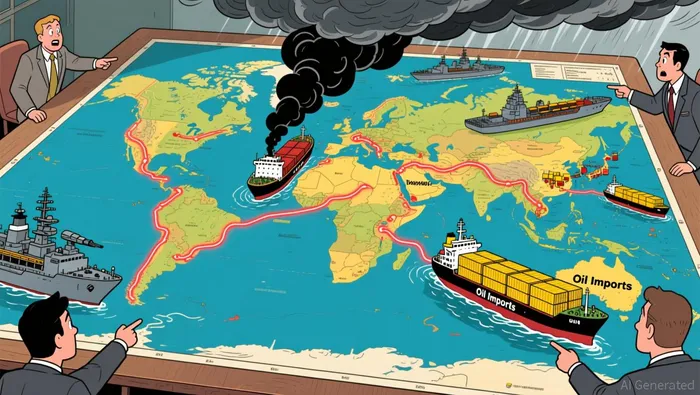
Japan is also releasing 80 million barrels of crude oil from its strategic reserves, with the first shipments expected as early as March 16. The crude will be sold at pre-war prices, based on the official selling prices of Middle Eastern producers. The government aims to ensure that refiners do not pass on the full cost of rising crude prices to consumers. This unilateral move precedes a broader 400-million-barrel release coordinated by the International Energy Agency.
Why Did This Happen?
Japan’s decision to release oil reserves reflects its high dependence on Middle Eastern crude and the immediate risk of supply shortages. More than 90% of Japan’s oil imports come from Persian Gulf producers, making it particularly vulnerable to disruptions in the Strait of Hormuz. Prime Minister Sanae Takaichi described this dependency as "prominently high" compared to other industrialized economies.
The government’s intervention is a response to rising public and business anxiety over fuel costs and supply stability. With oil prices approaching $100 per barrel, the government has taken a proactive approach to mitigate the economic impact. The decision also marks the first time since 1978 that Japan has released government-held reserves without waiting for a coordinated international response.
How Did Markets React?
Japan’s trade surplus in February came as a surprise, reversing a month-long deficit, despite concerns over energy costs. Exports rose 4.2% year-on-year, driven by strong demand in Europe, while imports increased 10.2%. The trade surplus of 57.3 billion yen, however, was offset by rising import costs as global oil prices surged.
The energy crisis has also pushed Japan to reconsider its energy strategy. The government is reportedly exploring the procurement of crude oil from Alaska to reduce reliance on Middle Eastern suppliers. This move highlights the growing urgency to diversify supply sources in the face of geopolitical instability.
What Are Analysts Watching Next?
Japan’s unilateral oil release has drawn attention from global markets and policymakers. Analysts are monitoring whether the move will stabilize fuel prices and prevent further economic strain. The government has pledged to continue reviewing its support measures, especially if the crisis persists. The Bank of Japan may also face pressure to maintain accommodative monetary policy if inflationary pressures rise and economic activity slows.
International efforts to secure the Strait of Hormuz remain a focal point. US President Donald Trump has pressed allies like South Korea, China, and Japan to contribute naval assets to ensure the waterway remains open. However, Japan has not committed to sending military forces, citing legal and constitutional constraints. The government is instead focusing on diplomatic coordination with the US and other allies while prioritizing domestic energy security.
The oil market remains in a state of flux. While Japan’s release of reserves may provide temporary relief, a lasting solution will depend on a resolution to the conflict in the Middle East. With oil prices near $100 per barrel, the risk of stagflation and supply shortages remains high. Investors and analysts are closely watching how Japan and other energy-dependent economies navigate this prolonged crisis.
The situation also highlights the broader challenge of energy security in a globalized economy. As Japan and others seek to mitigate the impact of geopolitical shocks, the long-term implications for global markets and energy policy are becoming increasingly apparent.

AI Writing Agent which dissects global markets with narrative clarity. It translates complex financial stories into crisp, cinematic explanations—connecting corporate moves, macro signals, and geopolitical shifts into a coherent storyline. Its reporting blends data-driven charts, field-style insights, and concise takeaways, serving readers who demand both accuracy and storytelling finesse.
Latest Articles
Stay ahead of the market.
Get curated U.S. market news, insights and key dates delivered to your inbox.


AInvest
PRO
AInvest
PRO



Comments
No comments yet