
Idaho Power: A Steady Hand in the Utility Sector's Modernization Surge
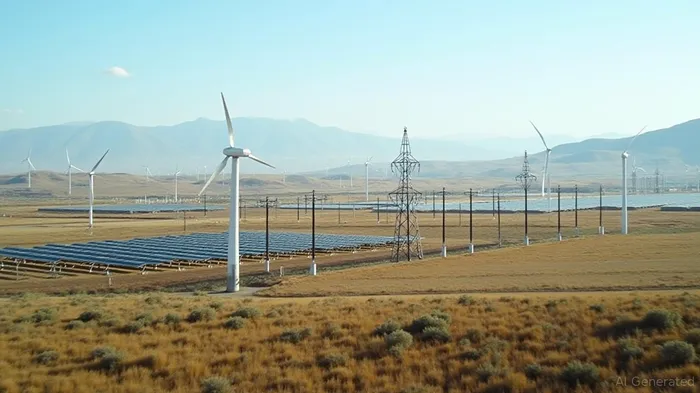
In an era marked by surging energy demand and urgent grid modernization needs, regulated utilities like Idaho Power (IPC) are emerging as resilient pillars in an otherwise volatile market. The company's recent regulatory approvals, coupled with its strategic investments in wildfire mitigation and renewable energy infrastructure, position it as a compelling investment opportunity. However, investors must weigh these positives against potential risks tied to regulatory uncertainty and project execution costs. Let's dissect the case for Idaho Power as both a long-term hold and a dividend capture play.
Rate Hikes: A Lifeline for Cash Flow Stability
Regulated utilities thrive on predictable cash flows, and Idaho Power's recent rate case outcomes underscore this strength. In December 2024, the Idaho Public Utilities Commission (IPUC) approved a 3.7% rate increase, adding $50.6 million in annual revenue to cover plant expansions and labor costs. This adjustment, effective January 1, 2025, was part of a limited-scope review but highlights the IPUC's willingness to support the company's financial needs.
Further, the June 2025 approval of Power Cost Adjustment (PCA) rates through May 2026 provides Idaho Power with additional flexibility to recover energy procurement costs. These incremental rate hikes are critical because regulated utilities like IPC operate in environments where earnings growth hinges on regulatory approval of cost-recovery mechanisms.
The parent company, IDACORPIDA-- (IDAC), has historically returned steady dividends, with a payout ratio well within conservative parameters. For income-focused investors, this stability—backed by rate-case wins—makes Idaho Power a solid dividend capture candidate.
Grid Modernization: A Necessity with Hidden Upside
Idaho Power's investments in grid resilience and renewable energy are not merely compliance-driven—they represent strategic moves to future-proof its operations. Key projects include:
- Battery Storage and Solar: The company's power purchase agreements (PPAs) with projects like Crimson Orchards Solar LLC and the Jackalope Wind Project align with Idaho's renewable energy mandates while diversifying its generation mix.
- Transmission Upgrades: The Southwest Intertie Project, a 500-kV transmission line, aims to boost grid reliability and interconnection capacity—a necessity as renewable energy penetration rises.
- Wildfire Mitigation: Deferring costs for undergrounding and grid hardening in wildfire-prone areas like the Wood River Valley ensures compliance with safety regulations while avoiding stranded costs.
These projects qualify as “regulated investments,” meaning Idaho Power can recover costs through rate adjustments if approved. This regulatory framework shields the company from market volatility, making its growth relatively predictable.
Risks: Regulatory Headwinds and Cost Overruns
No utility is immune to risks, and Idaho Power's path is no exception.
1. Regulatory Delays: While recent rate cases have been approved, Idaho Power's request to defer $66.7 million in ECAM compliance costs (Pacificorp's filing) and wildfire mitigation expenses could face pushback. The IPUC prioritizes affordability, and prolonged disputes might delay revenue recognition.
2. Cost Overruns: Projects like the Southwest Intertie or battery storage facilities could exceed budgets, squeezing margins unless regulators allow full cost recovery.
3. Legal Battles: Ongoing litigation, such as the Samuel Edwards complaint about Rocky Mountain Power's practices, underscores the sector's litigious environment. While Idaho Power is distinct from Rocky Mountain, shared parent company IDACORP adds some operational risk.
4. Economic Sensitivity: Idaho's economy and population growth directly impact demand. A slowdown could pressure rate increases, though the state's stable demographics and energy-intensive industries (e.g., agriculture) provide a buffer.
Investment Strategy: A Conservative Play for Dividends and Stability
For investors seeking insulation from market swings, Idaho Power fits neatly into a defensive portfolio. Here's how to approach it:
- Long-Term Hold: The utility's regulated model and rate-case track record make it a buy-and-hold candidate. Look for dips after regulatory approvals (e.g., post-PCA rate decisions) to accumulate shares.
- Dividend Capture: With a current yield of ~3.5% (based on IDAC's historical payouts), investors can harvest income while Idaho Power's infrastructure projects bolster earnings.
- Risk Mitigation: Pair Idaho Power with other regulated utilities (e.g., PPL Corp. or NextEra Energy) to diversify regulatory and geographic risks.
Avoid overpaying: Idaho Power's valuation should reflect its stable, but not high-growth, profile.
Conclusion
Idaho Power's combination of regulatory tailwinds, grid modernization investments, and dividend stability positions it as a reliable utility stock for conservative investors. While risks like regulatory pushback and cost overruns exist, the company's track record of securing rate hikes and its alignment with state energy goals suggest resilience. For those prioritizing capital preservation and income, Idaho Power remains a compelling choice—provided investors remain mindful of the slow-and-steady pace of regulated utilities.
Final thought: Utilities like Idaho Power aren't about chasing moonshots—they're about steady progress. In a world craving stability, that's no small thing.

Stay ahead of the market.
Get curated U.S. market news, insights and key dates delivered to your inbox.




Comments
No comments yet