
Idaho's Hidden Economic Gems: Why Investors Should Take Notice
 Aime Summary
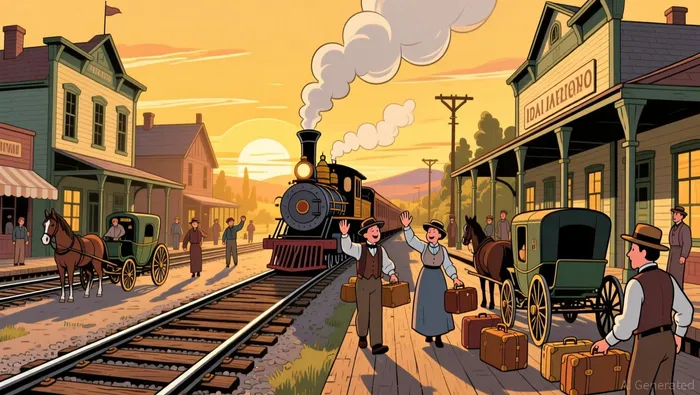
Railroads once defined Idaho’s economic trajectory, and today many of its towns continue to build on that legacy. In the late 19th and early 20th centuries, rail lines transformed remote settlements into bustling trade and industrial hubs. The region’s railroad infrastructure wasn’t just a means of transport—it was the backbone of entire communities. Cities like Wallace and Burley grew around rail depots, and their economies were closely tied to the movement of goods and people along these lines according to historical accounts. The lasting impact of this history is still visible today, with many towns preserving their heritage as a key part of their identity.
But the railroad era didn’t end in the 20th century—it evolved. Take Wallace, for example. This mining town, once driven by rail transport, now attracts tourists with attractions like the Northern Pacific Depot Museum and the Sierra Silver Mine Tour as documented. These efforts not only preserve history but also create new revenue streams through tourism and cultural events. In places like Sandpoint and Emmett, historical rail routes have been transformed into recreational trails and community spaces, drawing visitors and boosting local economies according to reports.
Why Is Idaho's Railroad Heritage Important for Investors?
Investors seeking long-term opportunities might overlook Idaho’s potential, but its blend of historical assets and natural beauty offers a compelling case for investment. These towns are not just nostalgic relics; they are strategic locations in the broader Pacific Northwest. Their proximity to natural resources, growing tourism, and cultural preservation efforts create a diversified economic foundation as research shows.
Moreover, Idaho’s relatively low cost of living and favorable tax policies make it an attractive location for businesses and real estate development. As more people seek to move away from urban centers, Idaho’s mix of small-town charm and infrastructure makes it an appealing destination for both residential and commercial development according to analysis. This creates opportunities for investors in sectors like real estate, hospitality, and cultural tourism.
How Do Idaho's Rail Towns Stay Relevant in the 21st Century?
The longevity of Idaho’s rail-based towns lies in their ability to adapt. While rail lines no longer serve as the primary driver of commerce, the cultural and recreational value of these communities has grown. Events like Weiser’s annual fiddle festival or the historic depots in Hailey and Kooskia showcase how local economies can pivot from industrial reliance to creative and service-driven industries as highlighted.
In addition, the transformation of rail lines into walking and biking trails—such as the one in Burley—has helped create a unique appeal for visitors. These trails not only provide recreational value but also connect communities, encouraging local tourism and business growth. Such initiatives highlight the potential for public-private partnerships and infrastructure investments that can support long-term community development according to case studies.
What Can Investors Learn From Idaho's Model?
Idaho’s approach to leveraging historical assets offers a valuable lesson for investors. Rather than trying to erase the past, these towns have embraced it as a way to create new value. This strategy can be applied to other regions with similar historical contexts, where infrastructure and heritage can be repurposed for modern uses.
For investors, the key takeaway is the importance of identifying markets where historical strengths can be transformed into current and future opportunities. Whether it’s through tourism, real estate, or community-driven economic development, Idaho’s rail towns demonstrate how thoughtful investment can preserve a region’s identity while fostering growth as demonstrated.
What to Watch Next
Looking ahead, investors should keep an eye on Idaho’s economic policies and how they support small-town development. As the region continues to attract new residents and businesses, infrastructure projects and tourism initiatives could play a major role in shaping its future. By understanding the region’s unique strengths, investors can position themselves to benefit from Idaho’s continued evolution according to industry experts.

Stay ahead of the market.
Get curated U.S. market news, insights and key dates delivered to your inbox.


AInvest
PRO
AInvest
PRO



Comments
No comments yet