
Iceland's Credit Rating Hiked; Cultural Festivals Highlight Winter Economy
 Aime Summary
Iceland is drawing the attention of investors and travelers alike this winter—not just for its dramatic landscapes, but also for its shifting economic and cultural landscape. In February 2026, Fitch Ratings upgraded the country's credit rating to 'A+' from 'A', citing strong fiscal management and a clear path to a balanced budget by 2027 according to Fitch Ratings. This is not just a credit event—it signals growing confidence in Iceland's economic resilience and governance. For investors, the move suggests greater stability in public finances and a country less prone to financial volatility.
Yet Iceland's economy, though robust in governance and private-sector strength, remains small and vulnerable to shocks. The country is mitigating this risk through cultural tourism. The Winter Lights Festival in Reykjavík, for instance, has become a major draw, transforming the city's midwinter darkness into a vibrant celebration of art, music, and local culture as reported by Grapevine. From Museum Night to ambient music performances at iconic venues like Hallgrímskirkja, the festival is a strategic blend of creativity and economic stimulus. These events help offset seasonal dips in tourism and provide a year-round cultural presence.
What Does Iceland's Credit Rating Upgrade Mean for Investors?
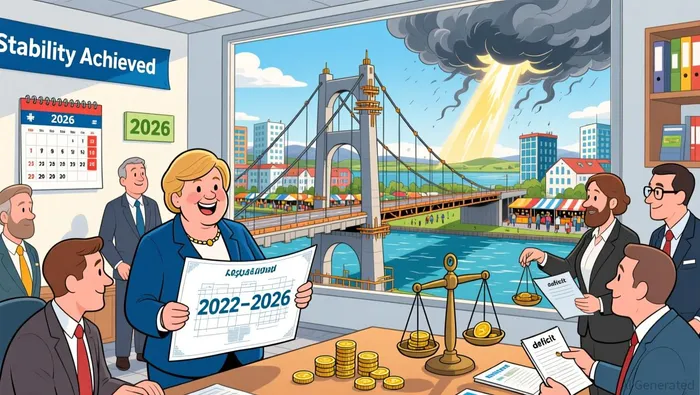
Fitch's rating upgrade is not a one-off event—it is the result of years of prudent fiscal policy. Iceland's general government deficit has narrowed significantly, thanks to revenue-raising measures and the national stability rule. , a move that has impressed rating agencies and foreign investors. This path has also been supported by the privatization of key institutions, like , and the settlement of liabilities tied to the Housing Financing Fund according to Fitch Ratings.
The upgrade is a key signal for foreign investors. A higher rating typically reduces borrowing costs and enhances investor confidence. For Iceland, which has historically been exposed to financial instability (most notably during the ), this is a major milestone. Still, the economy remains small and highly sensitive to global and regional economic conditions. The stable outlook from Fitch suggests that Iceland's governance and fiscal discipline are expected to endure, but investors should not ignore the risks as Fitch Ratings notes.
Why the Winter Lights Festival Matters for Iceland's Economy
While financial upgrades capture the headlines, Iceland's winter festivals are increasingly shaping its economic narrative. The Winter Lights Festival, for example, brings in both domestic and international visitors, turning Reykjavík into a hub of artistic and cultural activity during the darkest days of the year as reported by Grapevine. Events like Museum Night and Pool Night offer free access to cultural and recreational spaces, promoting community engagement and tourism.
This is more than just a cultural phenomenon. The festival is part of Iceland's broader strategy to diversify its tourism offerings and reduce over-dependence on the popular summer season. The economic benefits are tangible: hotels, restaurants, and local businesses see a surge in activity during the festival week. Moreover, events like —a week-long celebration of the game EVE Online—show that Iceland is becoming a hub for niche, high-value tourism with all activities announced.
What to Watch Next
For investors, the key takeaway is that Iceland is navigating a delicate balance: building long-term economic resilience while leveraging short-term cultural and tourism-driven revenue streams. The country's credit rating upgrade is a sign that its fiscal strategy is paying off, but the real test will be maintaining that discipline as economic conditions evolve.
Meanwhile, the growing popularity of winter festivals offers a unique lens into Iceland's economic strategy. These events are more than just cultural highlights—they're part of a broader narrative of economic diversification and resilience. Investors who understand both the financial and cultural dimensions of Iceland's strategy may find opportunities in the country's evolving markets.
As 2026 unfolds, the world is watching not only how Iceland's public finances perform but also how its winter economy holds up against seasonal and global challenges. For those interested in emerging markets with a blend of governance strength and cultural innovation, Iceland is a case worth following.

Stay ahead of the market.
Get curated U.S. market news, insights and key dates delivered to your inbox.


AInvest
PRO
AInvest
PRO



Comments
No comments yet