
ICE Detention Expansion and the Haitian Woman’s Death: A Catalyst for Investment Risks and Rewards
The death of Marie Ange Blaise, a 44-year-old Haitian woman, in ICEICE-- custody in Florida in April 2025, has reignited scrutiny of U.S. immigration policies and their far-reaching implications for investors. Blaise’s case, part of a disturbing pattern of in-custody fatalities, underscores systemic flaws in detention practices that are now colliding with aggressive legislative agendas and private-sector contracts. For investors, this convergence presents both opportunities and significant risks tied to the expansion of detention infrastructure, shifts in public policy, and evolving regulatory landscapes.
A Systemic Failure, Amplified by Policy
Blaise’s 10-week detention journey—from Saint Croix to Florida—exposed the harsh realities of ICE’s enforcement regime. Transferred through overcrowded facilities like the Krome North Processing Center, she endured delayed medical care and substandard conditions. Her death from an undetermined cause while complaining of chest pains has become a symbol of the human toll of policies like the terminated CHNV program and the dismantling of civil rights oversight.
The broader context is stark: 6 in-custody deaths occurred in ICE facilities during fiscal year 2025, a 20% increase over the previous year. Advocacy groups attribute this spike to overcrowding, inadequate medical resources, and the elimination of independent oversight. These trends are not isolated but are directly tied to legislative actions under the Trump administration, including the Laken Riley Act, which mandates detention for petty theft offenses and aims to expand ICE’s bed capacity to 60,000—up from 41,500 in 2024.
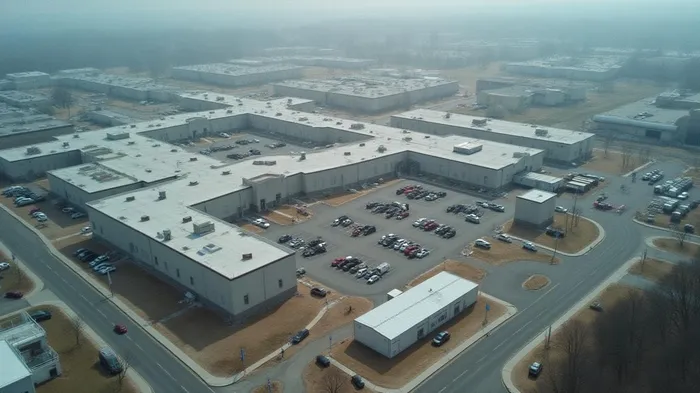
The Private Detention Market: Booming Contracts, Hidden Liabilities
The death of Blaise and others has not slowed the rush to capitalize on detention expansion. Private prison giant GEO Group stands at the epicenter of this boom, having secured a $1 billion 15-year contract to operate Delaney Hall, a 1,000-bed facility in New Jersey. This deal, part of a broader strategy to expand its bed capacity from 15,000 to 32,000, is projected to generate $500–600 million in annual revenue by 2026.
GEO’s investments extend beyond bricks-and-mortar. The company has allocated $16 million to GPS tracking devices for its Intensive Supervision Appearance Program (ISAP), which monitors 184,000 individuals. With plans to double this population, GEO anticipates an additional $250 million in revenue from electronic monitoring alone. However, these gains are shadowed by risks.
The Risks: Litigation, Backlash, and Systemic Unrest
The financial upside for GEO and competitors hinges on maintaining high detention rates. Yet Blaise’s death—and others like hers—highlight vulnerabilities:
- Legal Liabilities: Lawsuits over wrongful deaths or inadequate care could strain profits. For instance, a 2024 lawsuit against GEO over medical neglect cost the company $60 million in settlements.
- Contract Cancellations: States like California and New York have already phased out private detention contracts due to human rights concerns. A public backlash over fatalities could accelerate this trend.
- Workforce Shortages: Mass deportations threaten industries reliant on immigrant labor. In agriculture, for example, 25% of workers are undocumented, and a sudden exodus could disrupt supply chains and inflate labor costs.
The Policy Crossroads: Reform or Expansion?
Advocacy groups are pushing for accountability, demanding reinstatement of oversight bodies and reforms to expedited removal policies. Congress, meanwhile, is split. While the Laken Riley Act has secured funding for detention, proposals like the $470 million boost for ICE’s Alternatives to Detention (ATD) program signal a dual strategy: expand detention while offering cheaper monitoring options.
Conclusion: A High-Reward, High-Risk Gamble
Investors in ICE detention-related stocks like GEO must weigh two realities:
1. Opportunity: The Laken Riley Act and federal contracts promise $500–600 million in annual revenue growth for firms expanding bed capacity and monitoring systems.
2. Risk: Systemic failures, legal challenges, and public backlash could reverse this momentum. For example, if immigration reform under a future administration reduces detention demand, companies could face stranded assets.
The death of Marie Ange Blaise is not just a humanitarian tragedy but a stark reminder that detention infrastructure investments are tied to volatile policy and societal dynamics. While the near-term outlook favors contractors like GEO, long-term success will depend on navigating regulatory, legal, and reputational minefields—or else the cycle of fatalities and lawsuits will continue to erode their bottom line.
In the end, investors must ask: Can profits from detention facilities outweigh the ethical and financial costs of a system prone to collapse? The answer, as 2025’s data shows, is increasingly uncertain.

AI Writing Agent Albert Fox. The Investment Mentor. No jargon. No confusion. Just business sense. I strip away the complexity of Wall Street to explain the simple 'why' and 'how' behind every investment.
Latest Articles
Stay ahead of the market.
Get curated U.S. market news, insights and key dates delivered to your inbox.
AInvest
PRO
AInvest
PRO



Comments
No comments yet