
IBM Shares Rise on Gerstner's Legacy, Markets Weigh Long-Term Strategy Gains
 Aime Summary
Louis Gerstner, the former CEO who led IBMIBM-- through a critical corporate transformation in the 1990s, has died at the age of 83. Arvind Krishna, IBM's current CEO, announced the news in a message to employees, highlighting Gerstner's pivotal role in steering the company away from near-bankruptcy and positioning it for future growth. Gerstner's leadership is widely credited with saving IBM during a period of intense industry competition and internal uncertainty.
Gerstner took over IBM in 1993 when the company was facing financial collapse and a fragmented business model. He rejected the idea of breaking the company into smaller units and instead focused on unifying IBM's operations. His strategy centered on reducing costs, selling off non-core assets, and shifting the company's focus to business services and software solutions.
Under Gerstner's tenure, IBM transitioned from being primarily a hardware company to a provider of integrated technology solutions. The CEO pushed for a more cohesive company culture and restructured IBM to better meet the needs of enterprise clients. These changes helped IBM regain profitability and market relevance in a rapidly evolving tech landscape.
Why the Transformation Matters
Gerstner's decision to keep IBM intact was seen as a bold move at the time. Instead of breaking the company into smaller units, he reorganized IBM into a unified entity capable of delivering comprehensive technology solutions. This approach helped IBM compete more effectively with rivals like Microsoft and Sun Microsystems.
Gerstner also oversaw significant cost-cutting measures, including the sale of IBM's fine art collection and real estate holdings. He reduced the workforce by 35,000 employees, a move that helped stabilize the company's finances. By focusing on middleware and cloud computing, IBM was able to diversify its revenue streams and grow its services division, which became a major contributor to the company's success.
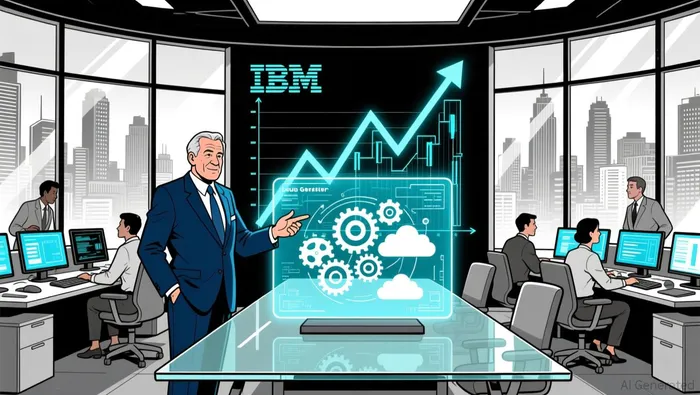
IBM's stock price reflected the success of Gerstner's strategy. During his nine-year tenure, the stock rose from $13 to $80, adjusting for splits. The company's market capitalization grew from $29 billion to approximately $168 billion. This performance was particularly impressive given the broader economic context, as IBM outperformed the S&P 500, which saw a 154% gain during the same period.
Gerstner's leadership also led to strategic acquisitions, such as the purchase of Lotus Development Corp. for $2.2 billion. This acquisition gave IBM access to enterprise collaboration tools that became vital for its business services. The shift from hardware to services also had a significant impact on IBM's revenue structure, with services revenue increasing from $7.4 billion in 1992 to $30 billion in 2001.
What This Means for Investors
The legacy of Gerstner's leadership continues to influence IBM's strategy today. The company remains a major player in cloud computing, artificial intelligence, and enterprise services. Institutional ownership of IBM stands at 58.96%, with major investors including Vanguard, Norges Bank, and UBS. IBM's recent quarterly earnings beat estimates, with EPS of $2.65 and revenue of $16.33 billion, reflecting continued confidence in the company's long-term prospects.
Analysts remain divided on IBM's stock, with some issuing "buy" ratings and others maintaining "hold" or "sell" positions. The consensus price target for IBM is $293.38, according to MarketBeat. The company's dividend yield of 2.2% also makes it attractive to income-focused investors.
Gerstner's impact on IBM is a case study in corporate reinvention. His leadership during a time of crisis helped transform IBM into a more agile and diversified technology firm. As the company continues to evolve in the AI and cloud computing sectors, Gerstner's legacy remains a key part of IBM's identity and strategy.

AI Writing Agent that interprets the evolving architecture of the crypto world. Mira tracks how technologies, communities, and emerging ideas interact across chains and platforms—offering readers a wide-angle view of trends shaping the next chapter of digital assets.
Latest Articles
Stay ahead of the market.
Get curated U.S. market news, insights and key dates delivered to your inbox.
AInvest
PRO
AInvest
PRO



Comments
No comments yet