
IBM, AMD Partner to Develop Quantum-Centric Supercomputing
 Aime Summary
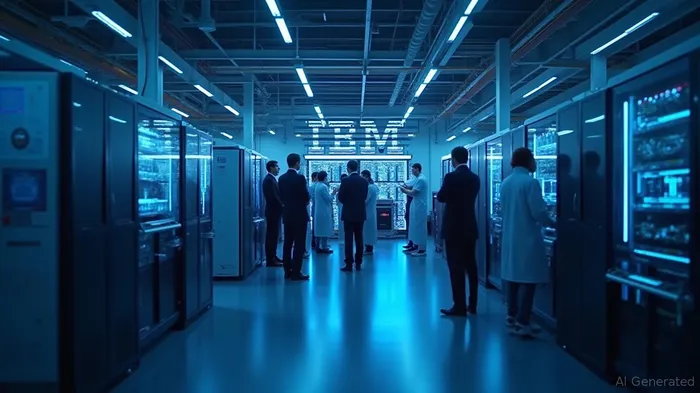
IBM and AMDAMD-- have joined forces to develop the next generation of computing architecture, focusing on the integration of quantum computingQUBT-- and high-performance computing (HPC). This collaboration aims to create a "quantum-centric supercomputing" framework, which combines the strengths of quantum computing with advanced HPC technologies.
The collaboration is set to revolutionize the way natural phenomena are simulated and information is represented. By leveraging IBM's quantum computing capabilities and AMD's advanced HPC technologies, the two companies aim to build a powerful hybrid computing model. This model will surpass the performance limitations of traditional computing, enabling more efficient and effective AI workloads.
In the quantum-centric supercomputing architecture, quantum computers will work in tandem with robust HPC and AI infrastructure, supported by central processing units (CPUs), graphics processing units (GPUs), and other computational engines. This synergy will provide enterprises with high-performance, cost-effective solutions, allowing them to expand their AI capabilities while ensuring data security within IBM's secure hybrid cloud environment.
The partnership is expected to drive significant advancements in the field of quantum computing. IBMIBM-- has previously outlined a roadmap to develop the world's first large-scale "fault-tolerant" quantum computer by the end of this decade. This quantum computer, named "IBM Starling," is projected to have computational power 20,000 times greater than current quantum computers.
While recent breakthroughs in quantum computing have been notable, practical applications of quantum computing are still several years away. The development of a quantum computer with real-world utility is anticipated to take at least 15 years, according to industry experts. However, the optimism surrounding this technology is growing, as evidenced by the increasing number of collaborations and investments in the field.

Stay ahead of the market.
Get curated U.S. market news, insights and key dates delivered to your inbox.




Comments
No comments yet