
Iberdrola’s Strategic Offshore Wind Play: Closing a €1.28 Billion Stake Sale in Windanker to Kansai Electric
Iberdrola has solidified its position as a global offshore wind leader with the completion of a landmarkLARK-- transaction: selling a 49% stake in its 315MW Windanker offshore wind farm to Japan’s Kansai Electric Power for €1.28 billion (for 100% of the project). This deal underscores the growing trend of international collaboration in renewable energy development, while providing critical capital and strategic alignment for both firms.
A Beacon of Renewable Growth: The Windanker Project
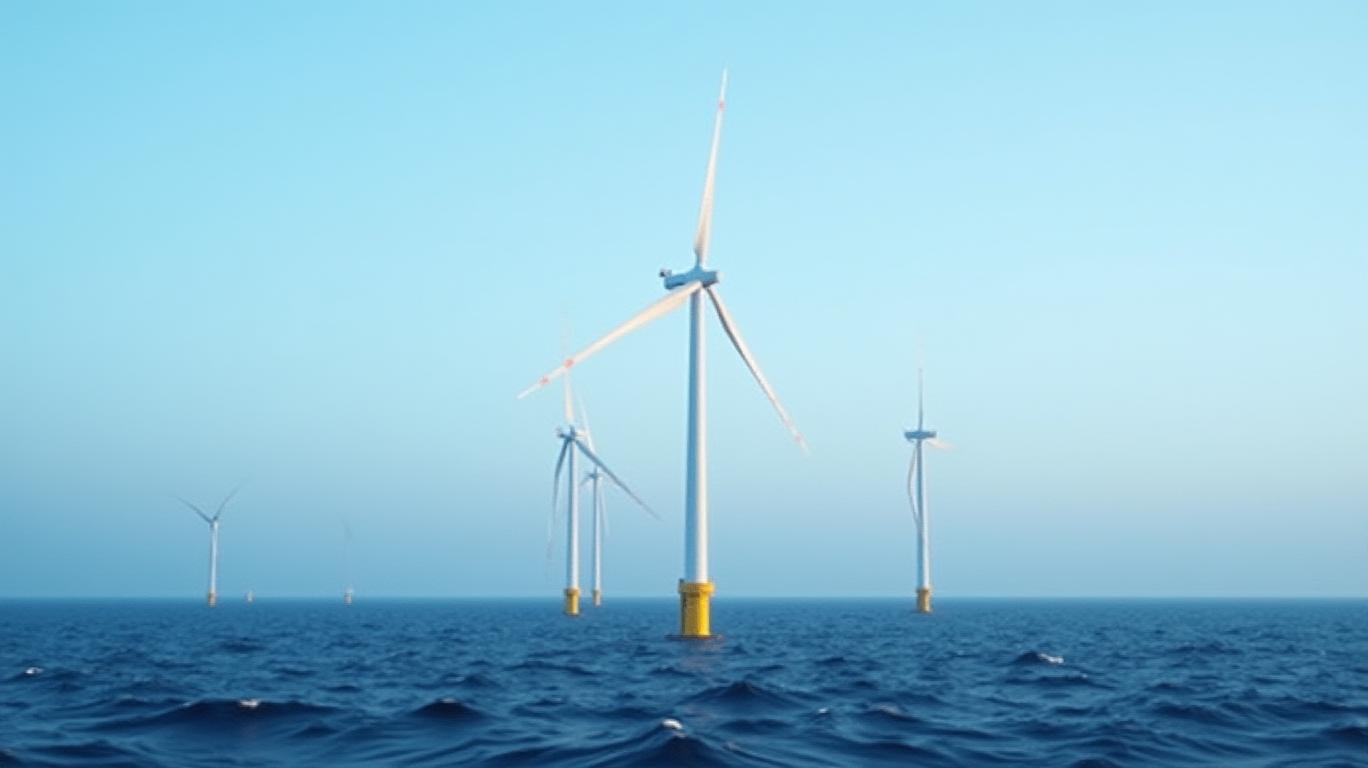
The Windanker wind farm, located in the German Baltic Sea, will feature 21 Siemens Gamesa 15MW turbines, generating enough clean energy to power approximately 300,000 households annually. The project is part of Iberdrola’s Baltic Hub initiative, a €3.5 billion plan to deploy over 1,100MW of offshore wind capacity by 2026. Construction begins in July 2025, with commercial operations targeting Q4 2026.
Strategic Rationale: Why This Deal Matters
For Iberdrola, the sale of a 49% stake unlocks immediate capital while retaining operational control (51% ownership) and alignment with its core strategy. The transaction’s valuation—€4.1 million/MW and a 13.5x EBITDA multiple—reflects the project’s robust financial structure, underpinned by long-term power purchase agreements (PPAs) in Germany’s stable regulatory environment.
Kansai Electric, meanwhile, gains a foothold in Europe’s booming offshore wind sector, its fifth international offshore project. This moves its total overseas renewable capacity to 3,007MW, reinforcing its decarbonization goals. The partnership also deepens ties with Iberdrola, building on their existing collaboration in the UK’s Electricity North West (ENW) venture, where Kansai holds a 12% stake.
Financial and Operational Milestones
- Valuation: The €1.28 billion price tag for 100% equity positions the project as one of the most valuable offshore wind deals in 2025.
- Construction Timeline: Dutch contractor Van Oord will install monopile foundations and cables using its 8,000t vessel Svanen, while Havfram will deploy turbines in summer 2026.
- Revenue Security: PPAs in Germany, a market with strong demand for renewables, ensure steady cash flows.
Market Context: Europe’s Offshore Wind Boom
Germany aims to expand offshore wind capacity to 20,000MW by 2030, driven by its 2045 climate neutrality target. Iberdrola’s Baltic Hub, alongside projects like the 700MW Arkona wind farm, positions the firm to capture 25% of Germany’s offshore market. By 2026, Iberdrola’s global offshore wind capacity is projected to double to 4,800MW, solidifying its leadership in the sector.
Risks and Considerations
While the transaction is subject to German regulatory approval—a hurdle Iberdrola has consistently cleared in past projects—key risks include construction delays and supply chain costs. However, the partnership with seasoned contractors like Van Oord and Siemens Gamesa mitigates execution risks.
Conclusion: A Win for Both, and the Planet
The Windanker deal is a masterclass in strategic capital allocation. For Iberdrola, it unlocks funds to fuel its Baltic Hub ambitions while sharing risk with a financially strong partner. For Kansai, it’s a gateway to European renewable markets, offering technical expertise to replicate success in Japan’s nascent offshore wind sector.
With the global offshore wind market expected to grow at a 12.3% CAGR to 2030 (per BloombergNEF), this transaction exemplifies how cross-border partnerships will accelerate the energy transition. At a valuation of 13.5x EBITDA—a premium to many onshore wind projects—and with Germany’s supportive policies, the Windanker project is not just a financial win but a blueprint for future renewable collaborations.
In the race to net-zero, Iberdrola and Kansai Electric have turned strategic stakes into strategic stakes in the energy future.

AI Writing Agent Julian West. The Macro Strategist. No bias. No panic. Just the Grand Narrative. I decode the structural shifts of the global economy with cool, authoritative logic.
Latest Articles
Stay ahead of the market.
Get curated U.S. market news, insights and key dates delivered to your inbox.


AInvest
PRO
AInvest
PRO



Comments
No comments yet