
IAF to retire MiG-21 fighter jet in September, leaving behind a mixed legacy
ByAinvest
Tuesday, Jul 22, 2025 3:06 am ET1min read
COOP--
Immediate Impacts
The retirement of the MiG-21 will have immediate impacts on India's aerial defense strength. With the MiG-21 out of service, the IAF will have only 29 active squadrons, far below the sanctioned strength of 42 [1]. This reduction in squadron strength limits India's ability to fight a two-front war and cover strategic zones like Ladakh and the Northeast.
The removal of the MiG-21 also puts pressure on existing training fleets, potentially delaying new pilot readiness. The MiG-21s were used in pilot training, and their absence will require the IAF to maximize the use of current trainers like the Hawks and Tejas [1].
Long-Term Gains
Despite the immediate challenges, the retirement of the MiG-21 opens the door for long-term gains in India's aerial defense capabilities. The IAF can now focus on scaling up indigenous production of advanced fighter jets such as the LCA Tejas Mk1A and the AMCA (5th-gen stealth fighter) [1].
Short-Term Measures
To address the immediate capability gaps, the IAF is considering several short-term measures. These include fast-tracking the delivery of the LCA Tejas Mk1A from Hindustan Aeronautics Limited (HAL), leasing fighter jets temporarily from France, Russia, or Israel, and maximizing the use of the current fleet, including the Su-30MKIs, Mirage-2000s, and Rafales [1].
Long-Term Strategies
For the long term, the IAF is planning to accelerate the development and trials of the AMCA, conclude the Multi-Role Fighter (MRFA) deal, and strengthen private-sector participation in defense, with companies like Tata and Adani playing a more significant role [1].
Conclusion
The retirement of the MiG-21 is not the end but a new beginning for India's aerial defense capabilities. The next few years will be crucial in determining whether this transition is a leap forward or a defensive gamble. The IAF must invest in speed, technology, and capability to ensure that its skies remain secure and superior.
References:
[1] https://medium.com/@rajat.shukla49/impact-of-mig-21-retirement-on-indias-aerial-defense-strength-whats-next-5870ec5db76e
[2] https://economictimes.indiatimes.com/news/defence/from-warhorse-to-legend-mig-21-to-bow-out-after-62-years-in-indian-skies/articleshow/122821727.cms
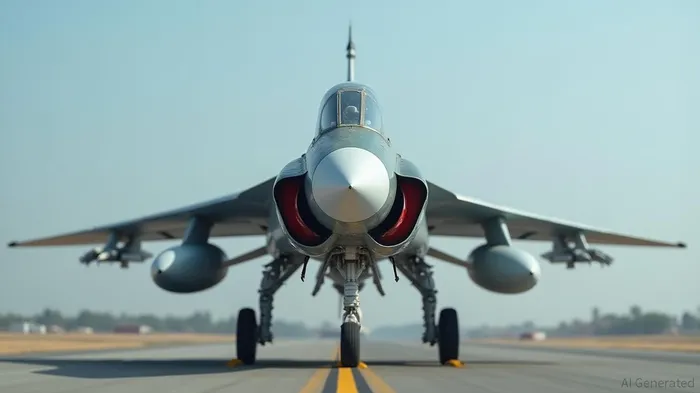
The Indian Air Force's MiG-21 fighter jet is set to retire in September after 60 years of service. The aircraft has a mixed legacy, with a technological edge in the 1960s and 1970s, but a poor safety record earning it the nickname "the flying coffin". With the MiG-21's retirement, the Indian Air Force's combat strength will drop to 29 squadrons, the lowest since the 1960s.
The Indian Air Force (IAF) is set to retire its iconic MiG-21 fighter jet in September after 62 years of service, marking a significant shift in the nation's aerial defense capabilities. The MiG-21, known for its speed and versatility in the 1960s and 1970s, has earned a mixed legacy due to its accident-prone nature, earning it the nickname "the flying coffin."Immediate Impacts
The retirement of the MiG-21 will have immediate impacts on India's aerial defense strength. With the MiG-21 out of service, the IAF will have only 29 active squadrons, far below the sanctioned strength of 42 [1]. This reduction in squadron strength limits India's ability to fight a two-front war and cover strategic zones like Ladakh and the Northeast.
The removal of the MiG-21 also puts pressure on existing training fleets, potentially delaying new pilot readiness. The MiG-21s were used in pilot training, and their absence will require the IAF to maximize the use of current trainers like the Hawks and Tejas [1].
Long-Term Gains
Despite the immediate challenges, the retirement of the MiG-21 opens the door for long-term gains in India's aerial defense capabilities. The IAF can now focus on scaling up indigenous production of advanced fighter jets such as the LCA Tejas Mk1A and the AMCA (5th-gen stealth fighter) [1].
Short-Term Measures
To address the immediate capability gaps, the IAF is considering several short-term measures. These include fast-tracking the delivery of the LCA Tejas Mk1A from Hindustan Aeronautics Limited (HAL), leasing fighter jets temporarily from France, Russia, or Israel, and maximizing the use of the current fleet, including the Su-30MKIs, Mirage-2000s, and Rafales [1].
Long-Term Strategies
For the long term, the IAF is planning to accelerate the development and trials of the AMCA, conclude the Multi-Role Fighter (MRFA) deal, and strengthen private-sector participation in defense, with companies like Tata and Adani playing a more significant role [1].
Conclusion
The retirement of the MiG-21 is not the end but a new beginning for India's aerial defense capabilities. The next few years will be crucial in determining whether this transition is a leap forward or a defensive gamble. The IAF must invest in speed, technology, and capability to ensure that its skies remain secure and superior.
References:
[1] https://medium.com/@rajat.shukla49/impact-of-mig-21-retirement-on-indias-aerial-defense-strength-whats-next-5870ec5db76e
[2] https://economictimes.indiatimes.com/news/defence/from-warhorse-to-legend-mig-21-to-bow-out-after-62-years-in-indian-skies/articleshow/122821727.cms
Stay ahead of the market.
Get curated U.S. market news, insights and key dates delivered to your inbox.
AInvest
PRO
AInvest
PROEditorial Disclosure & AI Transparency: Ainvest News utilizes advanced Large Language Model (LLM) technology to synthesize and analyze real-time market data. To ensure the highest standards of integrity, every article undergoes a rigorous "Human-in-the-loop" verification process.
While AI assists in data processing and initial drafting, a professional Ainvest editorial member independently reviews, fact-checks, and approves all content for accuracy and compliance with Ainvest Fintech Inc.’s editorial standards. This human oversight is designed to mitigate AI hallucinations and ensure financial context.
Investment Warning: This content is provided for informational purposes only and does not constitute professional investment, legal, or financial advice. Markets involve inherent risks. Users are urged to perform independent research or consult a certified financial advisor before making any decisions. Ainvest Fintech Inc. disclaims all liability for actions taken based on this information. Found an error?Report an Issue


ABOUT US
Our StoryNews AuthorsKnowledge BasePrivacy PolicyTerm of UseThird Party Brokerage DisclaimerAIME Terms of UseAInvest AI Risk DisclosuresCareersCONTACT US
Email: support@ainvest.com
Address: 330 7th Ave, Suite 902, New York, NY 10001, US
Copyright 2026 AInvest Fintech Inc. All rights reserved.


Comments
No comments yet