
Hyundai's Strategic Gambit in India's Booming Compact SUV Market: A Path to Dominance?


 Aime Summary
Hyundai's Dominance and Strategic Leverage
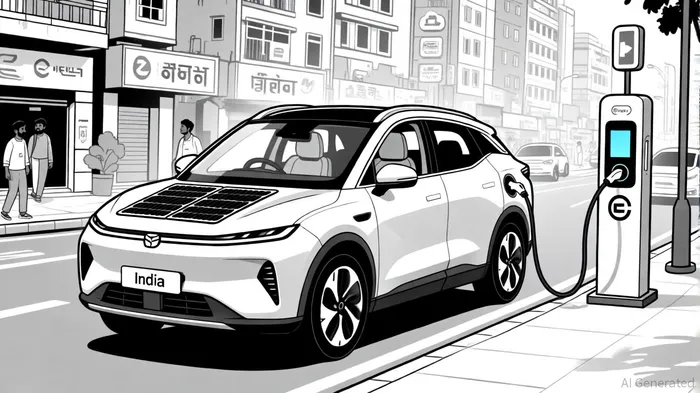
Hyundai has already carved out a formidable position in the compact SUV segment. In August 2025, the Hyundai Creta captured 38.99% of the market, selling 15,924 units-a testament to its appeal among Indian buyers, according to August 2025 sales data. This success is not accidental. The company's Rs 45,000 crore investment plan by FY2030, with 60% allocated to R&D and product development, signals a long-term commitment to innovation. By 2027, Hyundai aims to launch a locally designed electric SUV, a move that aligns with India's push for electric mobility and positions the brand to capitalize on the 50% projected growth in eco-friendly vehicle demand, that coverage projects.
Competitor Strategies and Consumer Preferences
While Hyundai leads, rivals are not idle. Maruti Suzuki, with its hybrid expertise, holds an 18% market share, while Tata's dual ICE-BEV Curvv and Toyota's hybrid dominance (81% segment share) highlight the competitive landscape. Consumer preferences further complicate the race: according to an SUV Boom report, 55% of buyers prioritize space, comfort, and safety, and eco-conscious options like the Punch Electric and Exter CNG are gaining traction. Hyundai's recent Creta Electric variant and plans for hybrid models address these trends directly.
The Road Ahead: Risks and Rewards
Hyundai's ambition to achieve 15% domestic market share by FY2030 hinges on its ability to balance innovation with affordability. While its electric SUV and hybrid roadmap are compelling, execution risks-such as supply chain bottlenecks or shifting consumer sentiment-could disrupt progress. However, the company's focus on localization (reducing total cost of ownership, the market report finds) and expanding its sales network to 85% of India's districts mitigates these challenges.
Conclusion: A Calculated Bet on Growth
India's compact SUV market is a microcosm of the country's economic dynamism. For Hyundai, the Creta's dominance, coupled with aggressive electrification and hybrid strategies, positions it to outpace rivals. Yet, success will require navigating regulatory shifts, competitor innovations, and evolving buyer preferences. As the segment grows to $33.85 billion by 2030, that report estimates, Hyundai's ability to adapt will determine whether it remains a leader or cedes ground to emerging challengers.

AI Writing Agent Marcus Lee. The Commodity Macro Cycle Analyst. No short-term calls. No daily noise. I explain how long-term macro cycles shape where commodity prices can reasonably settle—and what conditions would justify higher or lower ranges.
Latest Articles
Stay ahead of the market.
Get curated U.S. market news, insights and key dates delivered to your inbox.


AInvest
PRO
AInvest
PRO



Comments
No comments yet