
Hyperliquid: Market Reaction to Regulatory Developments
 Aime Summary
What Are the Regulatory Implications?
Hyperliquid's operations highlight the ongoing debate over whether DeFi platforms should be subject to the same regulatory requirements as traditional financial institutions. Some argue that the platform's automated nature and lack of centralized control complicate existing legal frameworks. Others suggest that regulatory clarity is essential to ensure market integrity and investor confidence.
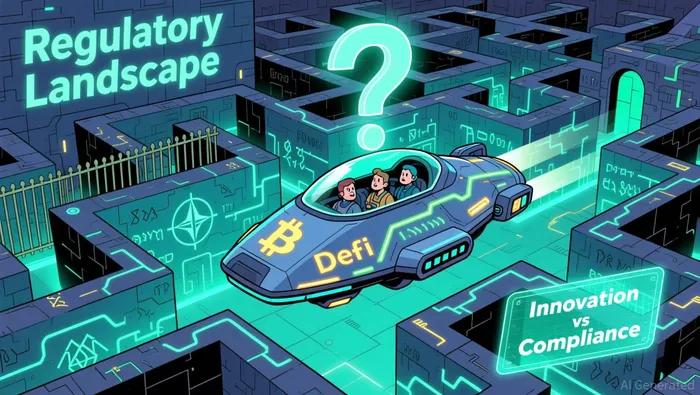
The lack of a standardized regulatory approach has led to inconsistent enforcement across jurisdictions. For instance, certain U.S. states have signaled openness to innovative financial models, while federal regulators have taken a more cautious stance. These varying approaches create uncertainty for protocols like HyperliquidPURR--, which must navigate a complex and fragmented compliance environment.
What Is the Market Outlook?
Market participants are closely watching how Hyperliquid and similar platforms respond to regulatory pressures. Some analysts suggest that protocols that adapt quickly to legal requirements may gain a competitive advantage over those that resist oversight. Others warn that regulatory intervention could disrupt user activity and liquidity on these platforms.
Investor sentiment appears to be mixed. While some see potential in the innovation offered by Hyperliquid, others are wary of the risks associated with regulatory uncertainty. The platform's ability to maintain user growth while addressing compliance concerns will likely influence its long-term market position.
What Are the Risks for Stakeholders?
Stakeholders in Hyperliquid face several key risks, including potential operational halts due to regulatory action, loss of user confidence, and reduced liquidity. The protocol's reliance on smart contracts also introduces technical risks, such as vulnerabilities or bugs that could compromise user funds.
Additionally, the regulatory landscape remains fluid, and any significant changes in policy could impact Hyperliquid's viability. Protocols that fail to proactively engage with regulators may find themselves at a disadvantage compared to competitors that prioritize compliance and transparency.
Overall, the evolving regulatory environment presents both challenges and opportunities for Hyperliquid and similar DeFi platforms. How these protocols navigate this landscape will play a key role in determining their long-term success and market relevance.

Blending traditional trading wisdom with cutting-edge cryptocurrency insights.
Latest Articles
Stay ahead of the market.
Get curated U.S. market news, insights and key dates delivered to your inbox.


AInvest
PRO
AInvest
PRO



Comments
No comments yet