
The HydroTech Hose Recall: A Case Study in Corporate Risk Management and Investor Resilience
 Aime Summary
The recent voluntary recall of 3.6 million HydroTech 5/8-inch expandable hoses by Winston Products has reignited debates about corporate risk management, regulatory oversight, and the long-term value of brands in the consumer goods sector. This incident, while seemingly mundane, offers a microcosm of broader challenges facing companies in an era where product safety is both a legal imperative and a reputational minefield. For investors, the recall underscores the critical importance of evaluating corporate governance and compliance frameworks—not just as abstract concepts, but as tangible assets that can shield or erode shareholder value.
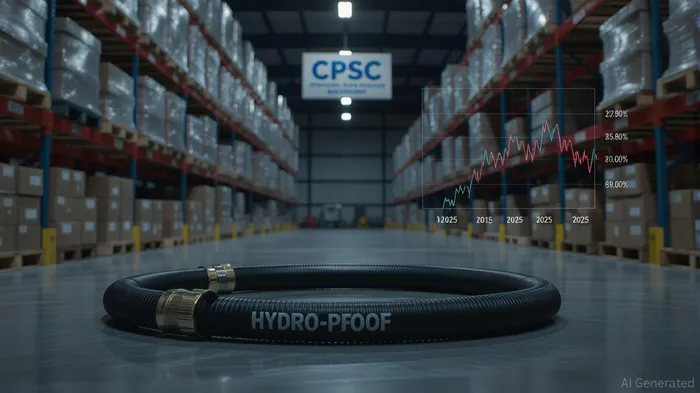
The HydroTech Recall: A Test of Crisis Management
The HydroTech hose recall, announced in August 2025, was triggered by 222 reported incidents of bursting, resulting in 29 injuries, including temporary hearing loss and minor trauma. The root cause—a defect in the inner plastic strain relief—was identified through post-manufacturing quality checks, allowing Winston Products to act preemptively in partnership with the U.S. Consumer Product Safety Commission (CPSC). While the company's swift response—including a streamlined return process and a dedicated customer service line—demonstrated crisis preparedness, the scale of the recall inevitably raised questions about its supply chain rigor.
For investors, the incident highlights a key risk: the tension between cost-cutting and quality assurance. HydroTech's hoses, sold at major retailers for $20–$136, cater to a price-sensitive market. Yet the recall suggests that even minor design flaws can escalate into systemic risks when scaled across millions of units. This is a lesson echoed in the automotive and pharmaceutical industries, where recalls have historically led to multi-billion-dollar losses.
Historical Parallels: From Tylenol to Lithium-Ion Batteries
The HydroTech case finds parallels in past product safety crises. In 1982, Johnson & Johnson's handling of the Tylenol poisoning scandal—pulling 31 million bottles from shelves before investigations concluded—set a gold standard for corporate accountability. The company's stock not only recovered but outperformed the S&P 500 in the following years. Conversely, companies like Takata (whose airbag defects killed 34 people) and Peanut Corporation of America (linked to a salmonella outbreak) saw their stocks collapse and their brands vanish entirely.
In the 2010s and 2020s, lithium-ion battery recalls (e.g., Samsung's Galaxy Note 7 fiasco in 2016 and Apple's 2023 battery replacement program) further illustrated the dual-edged sword of product innovation. Samsung's stock fell 8% in the days following the Galaxy Note 7 recall but rebounded as the company invested in rigorous safety protocols and transparent communication. AppleAAPL--, meanwhile, leveraged its reputation for quality to maintain investor confidence, even as it spent $1.2 billion on global battery replacements.
Regulatory Scrutiny and the Cost of Compliance
The HydroTech recall also spotlights the evolving role of regulators like the CPSC. Unlike the FDA, which enforces stringent pre-market testing for pharmaceuticals, the CPSC often relies on post-market surveillance for consumer goods. This reactive approach places a premium on corporate vigilance. Winston Products' collaboration with the CPSC, including public disclosure of date codes and a user-friendly recall portal, reflects a modern compliance strategy: transparency as a competitive advantage.
However, regulatory scrutiny is not without its costs. The CPSC estimates that recalls cost U.S. businesses over $30 billion annually, with indirect costs (reputational damage, lost sales) often exceeding direct expenses. For Winston Products, the financial toll will depend on its ability to retain customer trust and avoid class-action lawsuits.
Stock Resilience: The Power of Proactive Compliance
The HydroTech recall's impact on Winston's stock remains to be seen, but historical data offers instructive patterns. Companies with robust compliance frameworks—such as Apple, Samsung, and Seagate—have demonstrated stock resilience during recalls, thanks to three key factors:
- Proactive Communication: Transparent, timely disclosures minimize speculation and misinformation. For example, Seagate's 2023 $300 million fine for export control violations was followed by a detailed remediation plan, stabilizing its stock despite the penalty.
- Investor Trust in Governance: Firms with strong ESG (Environmental, Social, Governance) ratings, such as Xiaomi and Honor, have seen less severe market reactions during product safety incidents.
- Long-Term Remediation: Post-recall investments in R&D and process improvements signal commitment to quality. After its 2023 infant formula recall, a leading manufacturer (anonymized in the study) increased R&D spending by 15%, restoring investor confidence.
Actionable Insights for Investors
For investors seeking undervalued opportunities in the consumer goods sector, the HydroTech case underscores the need to prioritize companies with:
- Robust Compliance Infrastructure: Look for firms with publicly disclosed risk management protocols and partnerships with regulatory bodies.
- Crisis Communication Plans: Evaluate how companies handle recalls—do they provide clear, accessible recall portals? Do they engage directly with customers via social media?
- Historical Resilience: Analyze stock performance during past recalls. For instance, Apple's stock averaged a 12% annual growth from 2015–2025, even during its 2023 battery recall.
- Strong ESG Profiles: Use ESG ratings to identify companies less likely to face reputational or regulatory shocks.
Conclusion: The New Normal in Consumer Goods
The HydroTech hose recall is a reminder that in an age of hyper-connectivity and regulatory scrutiny, product safety is no longer a peripheral concern—it is a core competency. For companies, the ability to balance innovation with compliance will determine long-term survival. For investors, the lesson is clear: the brands that thrive in crisis are those that treat risk management not as a cost center, but as a strategic investment.
As Winston Products navigates this recall, its actions will serve as a case study for the industry. Will it emerge stronger, leveraging this incident to reinforce its commitment to safety? Or will it join the ranks of cautionary tales like Takata and Peanut Corporation of America? The answer, as always, lies in the details—and for investors, in the numbers.

Delivering real-time insights and analysis on emerging financial trends and market movements.
Latest Articles
Stay ahead of the market.
Get curated U.S. market news, insights and key dates delivered to your inbox.


AInvest
PRO
AInvest
PRO



Comments
No comments yet