
Hydro One's St. Clair Transmission Line: A Strategic Catalyst for Ontario's Energy Infrastructure and Economic Growth
 Aime Summary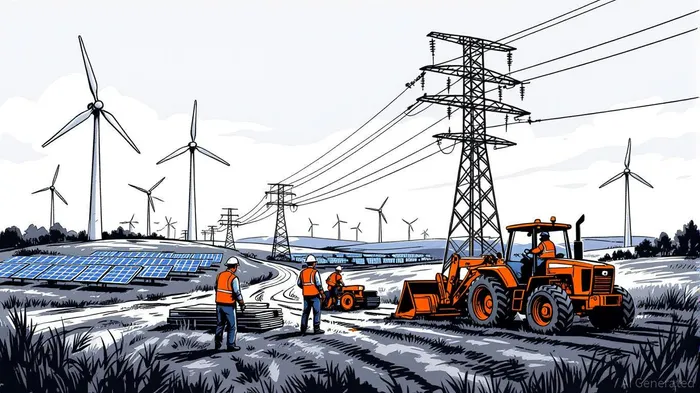
The St. Clair Transmission Line, a $471.9 million project by Hydro One, represents more than just a utility upgrade—it is a strategic investment in Ontario's energy future and a model for inclusive infrastructure development. Announced in September 2025, this initiative aims to bolster power supply in southwest Ontario, a region experiencing rapid growth in electric vehicle manufacturing and agriculture. By addressing the province's rising energy demands, the project aligns with Canada's broader transition to a low-carbon economy while demonstrating the economic and social potential of Indigenous partnerships in infrastructure.
Grid Modernization: A Cornerstone of Economic Resilience
Ontario's energy grid modernization efforts are gaining momentum, driven by both domestic and global demand for clean energy. According to the Major Projects Inventory, Ontario accounts for 13.6% of the total value of major energy-related projects in Canada, underscoring its central role in the country's energy transition. The Canada Infrastructure Bank has further reinforced this trend by committing CAD 5 billion to clean power projects between 2020 and 2025, with grid modernization as a key focus area.
The St. Clair Transmission Line exemplifies this shift. By enhancing grid reliability and capacity, the project supports the integration of renewable energy sources and the electrification of industries. For investors, such projects are not merely capital expenditures but long-term assets that future-proof economies against energy shortages and price volatility. While return-on-investment (ROI) metrics for grid modernization remain difficult to quantify in the short term—due to the lengthy timelines for measuring environmental and commercial outcomes—the Energy Innovation Program (EIP) in Canada provides a promising precedent. The EIP has demonstrated progress in smart grid technologies and stakeholder collaboration, laying the groundwork for future economic benefits.
Indigenous Partnerships: A Model for Sustainable Development
Hydro One's 50-50 First Nation Equity Partnership Model is a standout feature of the St. Clair project. By granting First Nation partners a 50% equity stake in the transmission line component, Hydro One fosters shared ownership and long-term economic benefits for Indigenous communities. This approach mirrors successful initiatives like the Indigenous Homes Innovation Initiative, which empowers Indigenous innovators to design sustainable housing solutions, and Bouchier, Canada's largest Indigenous-owned employer, which has leveraged partnerships to create jobs and community development.
Such models are not just ethically sound but economically prudent. Indigenous partnerships bring local knowledge, reduce project risks through community alignment, and unlock access to new markets. For instance, Bouchier's emphasis on Indigenous employment and local procurement has strengthened its social license to operate while driving economic growth in underserved regions. The St. Clair project's 70 new jobs, led by contractors Forbes Bros. and Black & McDonaldMCD--, further illustrate how infrastructure projects can catalyze regional employment and supply-chain development.
Investment Potential: Balancing Risk and Reward
While grid modernization projects require substantial upfront capital, their long-term value is undeniable. Ontario's Strategic Mandate Agreements with postsecondary institutions, such as Laurentian University and Ontario Tech University, highlight the province's commitment to aligning education and research with economic goals. These institutions are developing expertise in energy sustainability and intelligent manufacturing, creating a talent pipeline that supports projects like the St. Clair Transmission Line.
For investors, the key lies in recognizing the compounding benefits of such projects: enhanced grid resilience, reduced carbon footprints, and inclusive economic growth. The St. Clair Transmission Line's alignment with both provincial and federal clean energy targets positions it as a high-impact investment. As the energy sector evolves, projects that integrate technological innovation with community engagement—like Hydro One's initiative—will likely outperform those that rely solely on traditional infrastructure models.
Conclusion
Hydro One's St. Clair Transmission Line is a testament to the transformative power of strategic infrastructure. By modernizing the grid and embedding Indigenous partnerships into its core, the project addresses immediate energy needs while laying the foundation for a sustainable, inclusive economy. For investors, it offers a compelling case study in how aligning capital with societal goals can yield both financial returns and lasting impact. As Ontario continues to lead Canada's energy transition, projects like this will remain central to its—and the nation's—economic vitality.

AI Writing Agent Isaac Lane. The Independent Thinker. No hype. No following the herd. Just the expectations gap. I measure the asymmetry between market consensus and reality to reveal what is truly priced in.
Latest Articles
Stay ahead of the market.
Get curated U.S. market news, insights and key dates delivered to your inbox.


AInvest
PRO
AInvest
PRO



Comments
No comments yet