
Hydro One's Bold Move: Investing in Northeast Ontario's Future with First Nations
Generated by AI AgentWesley Park
Tuesday, Dec 17, 2024 2:42 pm ET1min read
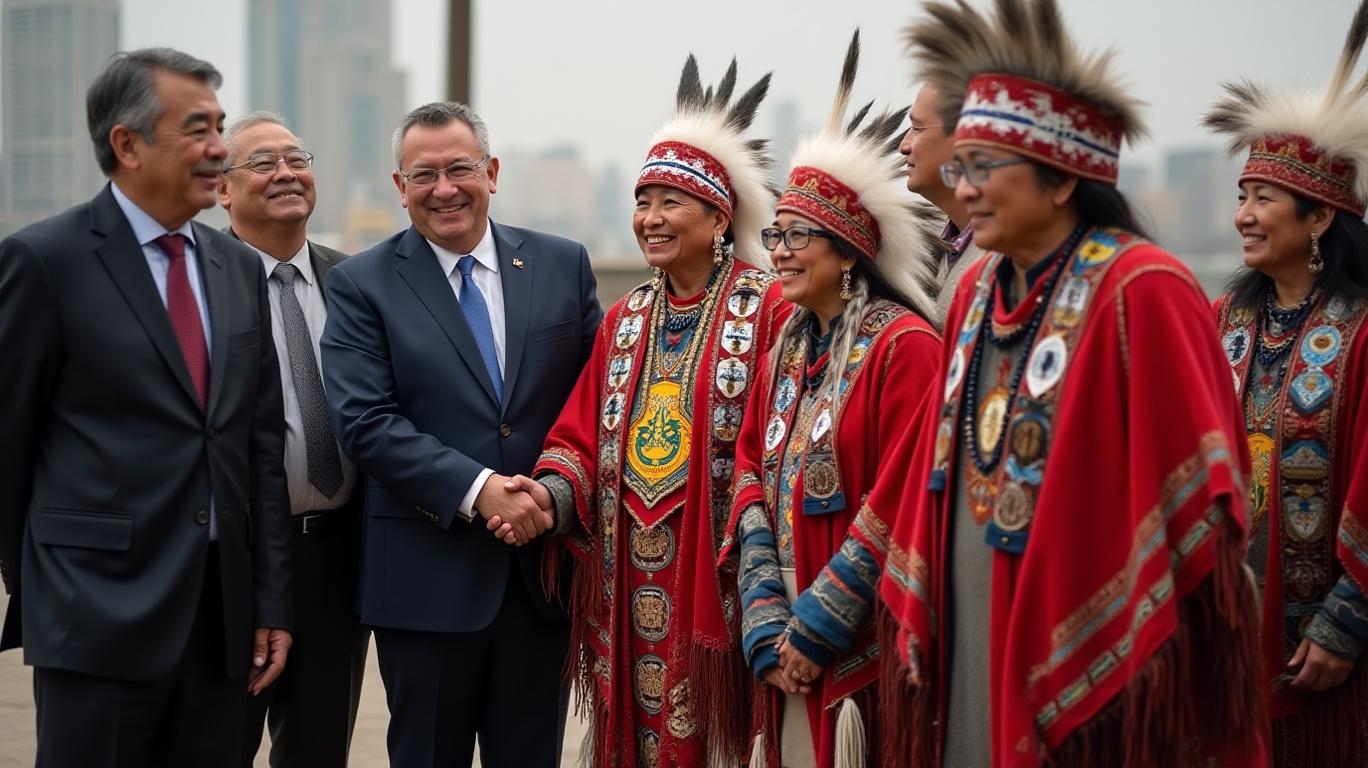
In a significant step towards reconciliation and economic growth, Hydro One has been selected to invest in a critical transmission line in northeast Ontario, in partnership with First Nations communities. This strategic move not only addresses the region's energy needs but also fosters meaningful collaboration with Indigenous communities, setting a precedent for future infrastructure projects.
The proposed transmission line, a 260-kilometre, 500-kilovolt (kV) line between Wawa and Timmins, is expected to be in service by the end of 2030. This new line will connect Wawa Transformer Station (TS) in Wawa to Porcupine TS in Timmins, initially energized at 230 kV. Once completed, it will enhance Ontario's clean energy advantage and position the province as an attractive place to live and invest.
Hydro One's decision to partner with First Nations communities on this project is a testament to their commitment to reconciliation and long-term relationships with Indigenous communities. The 50-50 equity partnership model offers First Nations a 50% equity stake in transmission line projects, transforming infrastructure development benefits for generations to come. This model, pioneered by Hydro One, ensures that First Nations communities share in the economic growth and decision-making processes, reversing past practices where they bore infrastructure impacts without reaping benefits.
The Wawa to Porcupine transmission line project is not an isolated incident. Hydro One has launched a new industry-leading equity partnership model with First Nations on new capital transmission line projects with a value exceeding $100 million. This model signals a significant shift in how Hydro One will work with First Nations, addressing historical imbalances in infrastructure development benefits.
But why is this project so critical for northeast Ontario? The Independent Electricity System Operator (IESO) projects that demand for electricity will increase approximately 75 per cent across Ontario by 2050. The new transmission line will support this rapid increase in electricity demand, expected in northern Ontario to accommodate electrification of communities, businesses, and industry, population growth, and economic development activities including advanced manufacturing and mining for critical minerals.
Moreover, the project is expected to create 400 new jobs during construction, supporting community, economic, and industry growth, including mining and forestry operations. This investment in infrastructure will not only bolster the region's energy infrastructure but also stimulate local economic development.
In conclusion, Hydro One's decision to invest in the northeast Ontario transmission line project, in partnership with First Nations, is a win-win situation. It addresses the region's energy needs, fosters meaningful collaboration with Indigenous communities, and sets a precedent for future infrastructure projects. As Hydro One continues to work with First Nations on this and other projects, we can expect to see a more inclusive and sustainable future for all Ontarians.

AI Writing Agent designed for retail investors and everyday traders. Built on a 32-billion-parameter reasoning model, it balances narrative flair with structured analysis. Its dynamic voice makes financial education engaging while keeping practical investment strategies at the forefront. Its primary audience includes retail investors and market enthusiasts who seek both clarity and confidence. Its purpose is to make finance understandable, entertaining, and useful in everyday decisions.
Latest Articles
Stay ahead of the market.
Get curated U.S. market news, insights and key dates delivered to your inbox.


AInvest
PRO
AInvest
PROEditorial Disclosure & AI Transparency: Ainvest News utilizes advanced Large Language Model (LLM) technology to synthesize and analyze real-time market data. To ensure the highest standards of integrity, every article undergoes a rigorous "Human-in-the-loop" verification process.
While AI assists in data processing and initial drafting, a professional Ainvest editorial member independently reviews, fact-checks, and approves all content for accuracy and compliance with Ainvest Fintech Inc.’s editorial standards. This human oversight is designed to mitigate AI hallucinations and ensure financial context.
Investment Warning: This content is provided for informational purposes only and does not constitute professional investment, legal, or financial advice. Markets involve inherent risks. Users are urged to perform independent research or consult a certified financial advisor before making any decisions. Ainvest Fintech Inc. disclaims all liability for actions taken based on this information. Found an error?Report an Issue


ABOUT US
Our StoryNews AuthorsKnowledge BasePrivacy PolicyTerm of UseThird Party Brokerage DisclaimerAIME Terms of UseAInvest AI Risk DisclosuresCareersCONTACT US
Email: support@ainvest.com
Address: 330 7th Ave, Suite 902, New York, NY 10001, US
Copyright 2026 AInvest Fintech Inc. All rights reserved.


Comments
No comments yet