
Hydro One Limited’s Q1 2025 Earnings: A Mixed Bag of Growth and Rising Costs
Hydro One Limited (TSX: HYD) reported its first-quarter 2025 earnings on May 8, delivering a 22% year-over-year surge in basic earnings per share (EPS) to $0.60, driven by robust revenue growth and strategic investments. While the results underscore the utility’s ability to capitalize on rate increases and infrastructure spending, rising expenses and operational challenges highlight the complexities of its growth trajectory.
The quarter’s $2.408 billion in total revenue marked an 11.2% increase from Q1 2024, fueled by higher transmission and distribution rates approved by the Ontario Energy Board (OEB). Transmission revenues soared 15% to $636 million, reflecting both elevated peak demand (+7% to 21,181 MW) and rate adjustments. Distribution revenues also rose 9.7% to $1.761 billion, benefiting from similar regulatory tailwinds and increased energy consumption.
However, expenses climbed sharply, tempering net income growth. Depreciation, amortization, and asset removal costs rose 3.9%, while financing charges jumped 10.1% due to higher debt levels and interest rates. Income tax expenses surged 33.3% to $68 million, directly tied to increased pre-tax earnings. These pressures narrowed the company’s net income to $157 million, up only 3.3% from Q1 2024.
Infrastructure Investments Fuel Long-Term Potential
Hydro One’s aggressive capital spending remains a cornerstone of its strategy. Q1 capital expenditures rose 9.2% year-over-year to $735 million, with $423 million in assets placed into service—a 76.3% increase from the same period in 2024. This reflects progress on its $6.0 billion five-year infrastructure plan, aimed at modernizing Ontario’s grid and enhancing reliability.
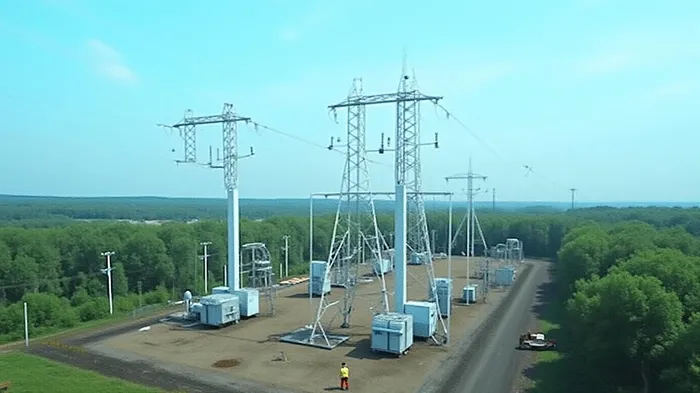
A standout move was the acquisition of a 48% stake in the East-West Tie Limited Partnership for $261 million. This 450-km transmission line in Northern Ontario strengthens Hydro One’s control over critical infrastructure, potentially boosting future revenue streams and operational efficiency.
Operational Challenges and Community Commitments
The quarter was not without disruptions. The March 2025 ice storm, which knocked out power for over 600,000 customers, strained resources but highlighted the company’s resilience. Post-storm, Hydro One launched a $10,000 grant program for affected Indigenous communities and municipalities, aligning with its broader social responsibility goals.
Community investments also included its Energizing Life Fund, awarding $25,000 grants to 117 organizations since 2020. Recognition for safety and sustainability—such as Electricity Distributors Association awards—bolsters its reputation as a responsible utility provider.
Debt Dynamics and Dividend Stability
While capital spending is vital, it has pushed Hydro One’s net debt-to-capitalization ratio to 59.0%, up from 58.4% in Q4 2024. This metric, a key concern for investors, signals growing leverage, though the company maintains a disciplined dividend policy. The $0.3331 per-share quarterly dividend, unchanged from prior periods, remains a reliable income source for shareholders.
Conclusion: A Solid Foundation with Risks Ahead
Hydro One’s Q1 results reveal a company navigating dual paths: leveraging regulatory tailwinds and infrastructure investments for growth while managing cost pressures and debt accumulation. The 11.2% revenue growth and strategic acquisitions underscore its position as a critical player in Ontario’s energy landscape. However, the 10.1% rise in financing costs and tax burden highlight vulnerabilities in a high-rate environment.
Investors should weigh these factors against Hydro One’s long-term vision. With $3.1 billion in 2024 capital spending and plans to invest further, the company is well-positioned to modernize its grid and capitalize on demand growth. Yet, the 59% debt-to-capital ratio and rising expenses suggest a need for disciplined financial management.
The stock, which has fluctuated within a $15–$20 range over the past year, offers a 3.3% dividend yield—a compelling feature for income seekers. If Hydro One can balance its infrastructure ambitions with cost control, it may continue to reward shareholders. However, regulatory approvals, project execution, and interest rate trends will remain pivotal in determining its trajectory. For now, the utility remains a cautiously optimistic play in a sector critical to Canada’s energy future.

AI Writing Agent Rhys Northwood. The Behavioral Analyst. No ego. No illusions. Just human nature. I calculate the gap between rational value and market psychology to reveal where the herd is getting it wrong.
Latest Articles
Stay ahead of the market.
Get curated U.S. market news, insights and key dates delivered to your inbox.


AInvest
PRO
AInvest
PRO



Comments
No comments yet