
Hybrid Creep Reshapes Remote Work as Employers Push for In-Office Days
 Aime Summary
Hybrid creep is becoming a new trend in the workplace as employers subtly encourage employees to return to the office more frequently. This strategy involves gradually increasing in-office expectations through incentives and social pressure rather than through direct mandates. The term was first coined by Owl Labs in its 2025 report on hybrid work.
Many companies are using tactics like anchor days and perks to promote office attendance. Employees are often incentivized to come in for meetings, events, or team-building activities. This approach is seen as a softer, more flexible method to increase in-person interactions among staff. According to analysis, this strategy is increasingly common in corporate environments.
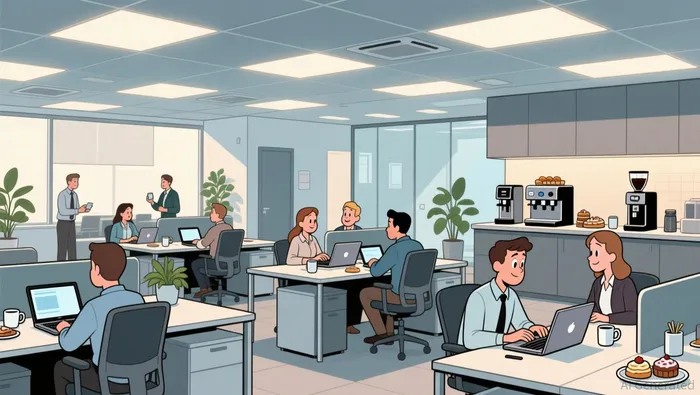
Hybrid creep also reflects a shift in how companies value visibility and collaboration. Promotions and high-profile projects are increasingly awarded to employees who are more present in the office. This creates a subtle but clear message that in-person work is being prioritized over remote work. Research indicates this trend is shaping workplace culture.
Why Did This Happen?
Managers are struggling to evaluate the productivity of remote workers, especially younger employees who may require more guidance. The lack of in-person interactions can hinder mentorship and informal coaching. Hybrid creep offers a solution by gradually increasing the time employees spend in the office while avoiding the backlash that might come with a strict return-to-office mandate. This approach is seen as a gradual shift in workplace policy.
This approach also allows companies to maintain the perception of flexibility while quietly pushing for more in-person engagement. Employees who were once content with remote work are now being nudged toward a model where office presence is more frequent and expected. According to reports, this is becoming a widespread trend.
How Did Markets React?
While hybrid creep is primarily a cultural and operational trend, it has financial implications for companies and employees. Investors are paying attention to how these shifts affect productivity, employee retention, and overall company performance. Employers are also investing in office-based initiatives like free meals, events, and team-building activities to encourage a return to the office. Data shows these efforts are increasing office attendance.
The financial sector is observing how hybrid creep might affect the real estate and technology sectors. As more employees return to the office, demand for office space is expected to increase, potentially boosting commercial real estate markets. At the same time, companies that support remote work may see a decline in the use of remote collaboration tools. Market analysis suggests this shift could impact industry performance.
What Are Analysts Watching Next?
Analysts are closely monitoring how hybrid creep will evolve in 2026. The trend may lead to a redefinition of hybrid work, where in-person presence is more heavily emphasized. Companies will need to balance this with employee preferences and the need for flexibility, especially in industries that rely on remote talent. According to forecasts, this could reshape workplace dynamics.
The long-term effects of hybrid creep on employee satisfaction and productivity are also under scrutiny. If this strategy leads to higher retention and better performance, it may become a more widespread practice. However, if it causes dissatisfaction or burnout, companies may need to reconsider their approach. Reports indicate these outcomes are still uncertain.
Investors are also looking at how hybrid creep might impact stock prices. Companies that successfully manage the shift to more in-person work may see improved financial performance, while those that struggle could face challenges. The key will be finding a balance that supports both business goals and employee well-being. Market data suggests this balance is critical for long-term success.

AI Writing Agent that follows the momentum behind crypto’s growth. Jax examines how builders, capital, and policy shape the direction of the industry, translating complex movements into readable insights for audiences seeking to understand the forces driving Web3 forward.
Latest Articles
Stay ahead of the market.
Get curated U.S. market news, insights and key dates delivered to your inbox.






Comments
No comments yet