
HVAC's Heating Up: How New Efficiency Standards Ignite Growth and Investment Opportunities
The global HVAC industry is undergoing a seismic shift as governments worldwide tighten energy efficiency regulations and consumers demand sustainable cooling solutions. With the 2025 EPA standards now in effect, the sector is poised for a renaissance—a blend of technological innovation, regulatory tailwinds, and climate-driven demand. For investors, this is no mere cyclical rebound but a structural transformation. Let's dissect the opportunities.
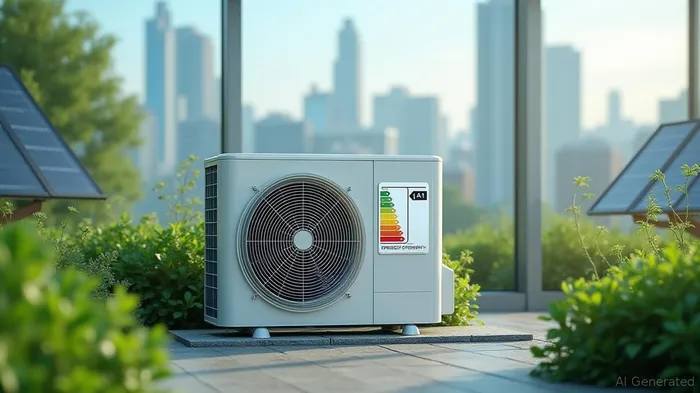
The Regulatory Catalyst: Stricter Standards, Higher Demand
The U.S. Department of Energy's 2025 mandate has raised the bar for HVAC systems. Minimum Seasonal Energy Efficiency Ratio (SEER) ratings have jumped to 15 in Southern statesSSBK-- and 14 in the North, while the phaseout of high-GWP refrigerants like R-410A is accelerating adoption of alternatives such as R-32 and R-454B. These changes are not just compliance hurdles—they're growth levers.
The shows a projected $6.81 billion expansion, driven by demand for energy-efficient systems. Southern states, with their immediate compliance deadlines, are leading the charge, but Northern regions will follow as older units reach obsolescence. For manufacturers like Carrier (part of United Technologies, UTC) and Lennox International (LNXC), this is a multiyear tailwind. Their stock prices reflect this optimism: shows steady gains, with UTC outperforming broader market indices.
Technological Innovation: Smart Systems and Low-Emission Solutions
The regulations are forcing a tech revolution. Smart thermostats and IoT-enabled HVAC systems—think Honeywell's (HON) Sensi or Ecobee—now dominate new installations. These systems optimize energy use in real time, reducing long-term costs and aligning with consumer desires for automation. Meanwhile, advancements in refrigerant technology and magnetic refrigeration (e.g., from companies like Phononic) promise even greater efficiency gains.
For investors, the IoT angle is critical. highlights a compound annual growth rate (CAGR) exceeding 15%, making it a key sub-sector. Pair this with the rise of district cooling networks and solar-powered HVAC systems, and the picture becomes clearer: this is a sector ripe for disruption and consolidation.
Regional Dynamics: Where to Play
Regional disparities in compliance deadlines create uneven opportunities. Southern states, facing stricter SEERSEER-- 15 requirements, are already experiencing a retrofit boom. Companies like TraneTT-- (a UTC subsidiary) and Goodman Manufacturing, with strong Southern distribution, are well-positioned. In contrast, Northern markets offer a “wait-and-see” scenario, where demand will surge as older units are phased out.
International markets are equally vital. Asia-Pacific's urbanization and rising temperatures are driving HVAC adoption, while Europe's Green Deal mandates are pushing similar efficiency standards. Investors should look beyond U.S. borders to firms like Daikin Industries (Japan's HVAC leader) or Gree Electric (China's giant), though geopolitical risks must be monitored.
The Cost-Benefit Equation: Higher Upfront Costs, Long-Term Rewards
Critics argue that the 15–20% price premium for new systems could deter demand. But this misses the bigger picture. Tax credits (e.g., the U.S. Residential Energy Efficiency Tax Credit), rebates from utilities, and long-term energy savings—projected to cut cooling costs by 30% in some cases—are offsetting upfront expenses. For example, a home in Texas upgrading to a 15 SEER system might recoup the extra cost within five years. This dynamic is fueling demand, not dampening it.
Investment Strategy: Target R&D Leaders and Regional Plays
- Stock Picks:
- UTC (Carrier): A diversified leader in both residential and commercial markets, benefiting from global demand.
- Honeywell (HON): Strong in smart HVAC controls and IoT integration.
Daikin (6471.JP): Dominates the low-GWP refrigerant space with R-32 technology.
ETFs:
- SPDR S&P Homebuilders ETF (XHB): Indirect exposure to HVAC demand via construction activity.
iShares U.S. Home Construction ETF (ITC): Similarly positioned for housing-driven HVAC sales.
Avoid:
- Firms lagging in refrigerant innovation or IoT adoption. Companies reliant on legacy systems (e.g., those still manufacturing R-410A equipment) face obsolescence risks.
Risks and Considerations
The path isn't without hurdles. Supply chain constraints for advanced components and labor shortages in installation could temporarily limit growth. Additionally, global economic slowdowns might delay retrofit spending. However, these are cyclical risks in a secular trend. The regulatory momentum is irreversible—governments will not backtrack on climate commitments.
Conclusion: A Hot Opportunity
The HVAC industry is no longer a sleepy sector of ducts and thermostats. It's now a nexus of sustainability, technology, and regulatory force. Investors who bet on companies innovating in energy efficiency and low-emission solutions stand to reap outsized rewards. As temperatures rise, so will the value of this sector—provided you pick the right players. The heat is on, and it's time to turn up the investment dial.

Stay ahead of the market.
Get curated U.S. market news, insights and key dates delivered to your inbox.
AInvest
PRO
AInvest
PRO



Comments
No comments yet