
Hurricane Erin's Rapid Intensification and Its Impact on Climate-Linked Markets
 Aime Summary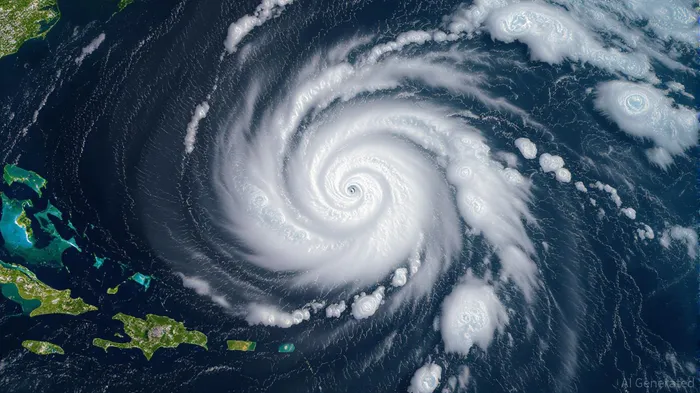
The rapid intensification of Hurricane Erin into a Category 5 storm in just 24 hours is not just a meteorological anomaly—it's a wake-up call for investors. With winds surging from 75 mph to 160 mph, fueled by record-warm Atlantic waters, Erin exemplifies the accelerating volatility of climate-driven disasters. This isn't just about a single storm; it's a harbinger of a new normal where hurricanes form faster, strengthen more violently, and threaten markets in ways we're only beginning to grasp.
Climate Volatility: A New Baseline for Risk
The National Hurricane Center (NHC) has long defined rapid intensification (RI) as a 35-mph wind-speed increase in 24 hours. But Erin's 85-mph jump in the same timeframe—amid sea surface temperatures 1.5°C above average—shows how climate change is rewriting the rules. Warmer oceans act as a turbocharger for storms, while rising atmospheric moisture amplifies rainfall and flooding. The 2025 Atlantic season, already projected to see 13–18 named storms, is a microcosm of this trend.
For investors, the message is clear: climate risk is no longer a distant threat. It's here, and it's compounding. The insurance, real estate, and energy sectors are on the front lines, and their vulnerabilities demand a strategic rethink.
Sector Vulnerabilities: Where the Storm Hits Hardest
Insurance
The insurance sector is grappling with a perfect storm of rising claims and shrinking margins. Hurricane Erin's trajectory—threatening the Leeward Islands, Puerto Rico, and Bermuda—has already triggered reinsurance recalibrations. Catastrophe bonds (cat bonds), like the Swiss Re Global Cat Bond Index (SRGLTRR), have surged in popularity, but they're a double-edged sword. A westward shift in Erin's path could trigger payouts, testing the resilience of carriers like Citizens Property Insurance Corporation (CIPC), which has $3.125 billion in cat bonds. Yet, for investors, these instruments offer a high-yield, albeit volatile, hedge against climate-driven losses.
Real Estate
Coastal real estate is in freefall. Properties in high-risk flood zones are seeing value declines of 9–18% per square foot, while inland migration—driven by climate anxiety—is creating a 500,000+ population shift from Florida to states like Georgia and Tennessee. But these “safe” markets lack infrastructure to handle hurricane risks, creating a mispriced asset class. Meanwhile, resilient construction materials—impact-resistant windows, elevated foundations—are becoming non-negotiable for developers.
Energy
Energy infrastructure, particularly in coastal regions, is under siege. Storms like Erin expose vulnerabilities in chemical storage facilities, underground tanks, and grid reliability. Insurers and regulators are now scrutinizing energy projects for climate resilience, forcing companies to invest in adaptive technologies or face higher premiums and stricter regulations.
Undervalued Opportunities: Building a Resilient Portfolio
While the risks are stark, they also create openings for investors who position for adaptation. Here are three sectors and companies to watch:
- Resilient Construction Materials
- Simpson Strong-Tie (SPT): A leader in hurricane-resistant fasteners and connectors. With demand for stormproof infrastructure surging, SPT's margins are expanding.
- CertainTeed (part of Saint-Gobain, SGO): Offers impact-resistant roofing and insulation. As building codes tighten, SGO's market share in climate-adaptive materials is poised to grow.
- Climate Risk Analytics
- LightBox: Uses AI and GIS to map flood and wind risks at hyperlocal levels. Insurers and real estate firms are paying a premium for its data, which helps underwrite smarter policies and valuations.
Guidewire (GWRE): Its cloud-based insurance platforms integrate climate risk models, enabling real-time adjustments to premiums and coverage.
Parametric Insurance
- FloodFlash: Pioneers pay-for-storm-surge models, bypassing the slow claims process. As traditional insurers retreat from high-risk zones, FloodFlash's trigger-based approach is gaining traction.
- Catastrophe Risk Management (CRM): Focuses on underinsured regions, offering coverage based on predefined metrics like rainfall thresholds.
The Bottom Line: Invest in Resilience, Not Panic
Hurricane Erin isn't an outlier—it's a symptom of a warming world. For investors, the key is to avoid sectors exposed to stranded assets (think coastal real estate with outdated flood defenses) and instead target companies solving the problem.
- Short-term plays: Cat bonds (SRGLTRR) and reinsurance stocks with strong balance sheets.
- Long-term bets: Resilient construction (SPT, SGO), climate analytics (LightBox, GWRE), and parametric insurers (FloodFlash, CRM).
The markets may tremble at the next storm, but those who build for resilience will weather the tempest—and thrive.

Stay ahead of the market.
Get curated U.S. market news, insights and key dates delivered to your inbox.




Comments
No comments yet