
Huawei's Harmony OS: The Race to 100,000 Apps
Generated by AI AgentWesley Park
Saturday, Nov 23, 2024 5:47 am ET1min read
HRMY--
In the dynamic world of technology, Huawei is making waves with its ambitious plans for Harmony OS. The Chinese tech giant has set an audacious goal of reaching 100,000 apps on its operating system within the next 6 to 12 months. This article delves into the potential of Harmony OS, the challenges it faces, and the strategies Huawei is employing to achieve this milestone.
Huawei's Harmony OS is a testament to the company's resilience and determination. With over 15,000 apps already available, the platform is poised to expand exponentially, providing users with a more diverse and engaging experience. The rapid growth of app availability on Harmony OS, with over 70 games developed natively, indicates a thriving ecosystem that caters to diverse user preferences.
To incentivize and support developers in migrating to Harmony OS, Huawei is taking several steps. Firstly, it aims to create an open-source version of Harmony, allowing developers to customize and adapt it to their needs. Secondly, Huawei is establishing an open-source community to foster collaboration and innovation. Lastly, Huawei is providing resources such as documentation, tools, and technical support to aid developers in their migration efforts.
Huawei's aggressive pursuit of these targets underscores its determination to overcome U.S. sanctions and establish a self-sufficient mobile operating system. The expanded app ecosystem on Harmony OS will significantly enhance Huawei's competitiveness against Android and iOS, attracting more users and fostering a stronger ecosystem. A larger user base will, in turn, attract more developers, fostering a positive feedback loop and further enriching the app ecosystem.
However, the challenges of app compatibility and user experience during the transition period remain a concern. To address this, Huawei is developing an open-source version of Harmony, enabling developers to create apps compatible with both Harmony and Android. This strategy focuses on attracting more developers, improving app quality, and ensuring a seamless transition for users.
Government support and industry policies can significantly accelerate Harmony OS adoption. The Chinese government could provide incentives for domestic developers to migrate to Harmony OS, similar to its support for indigenous operating systems in the past. Additionally, favorable policies could encourage international partners to join the Harmony OS ecosystem, enhancing its global appeal. Moreover, strategic collaborations with other tech giants could facilitate cross-ecosystem integration, further driving Harmony OS adoption.
In conclusion, Huawei's ambitious 100,000 app target for Harmony OS in 6-12 months is a testament to the company's resilience and determination. With the right strategies, government support, and industry policies, Harmony OS has the potential to become a major player in the mobile operating system market. The expanded app ecosystem on Harmony OS will not only enhance user experience and functionality but also attract more users, fostering a stronger and more vibrant ecosystem.
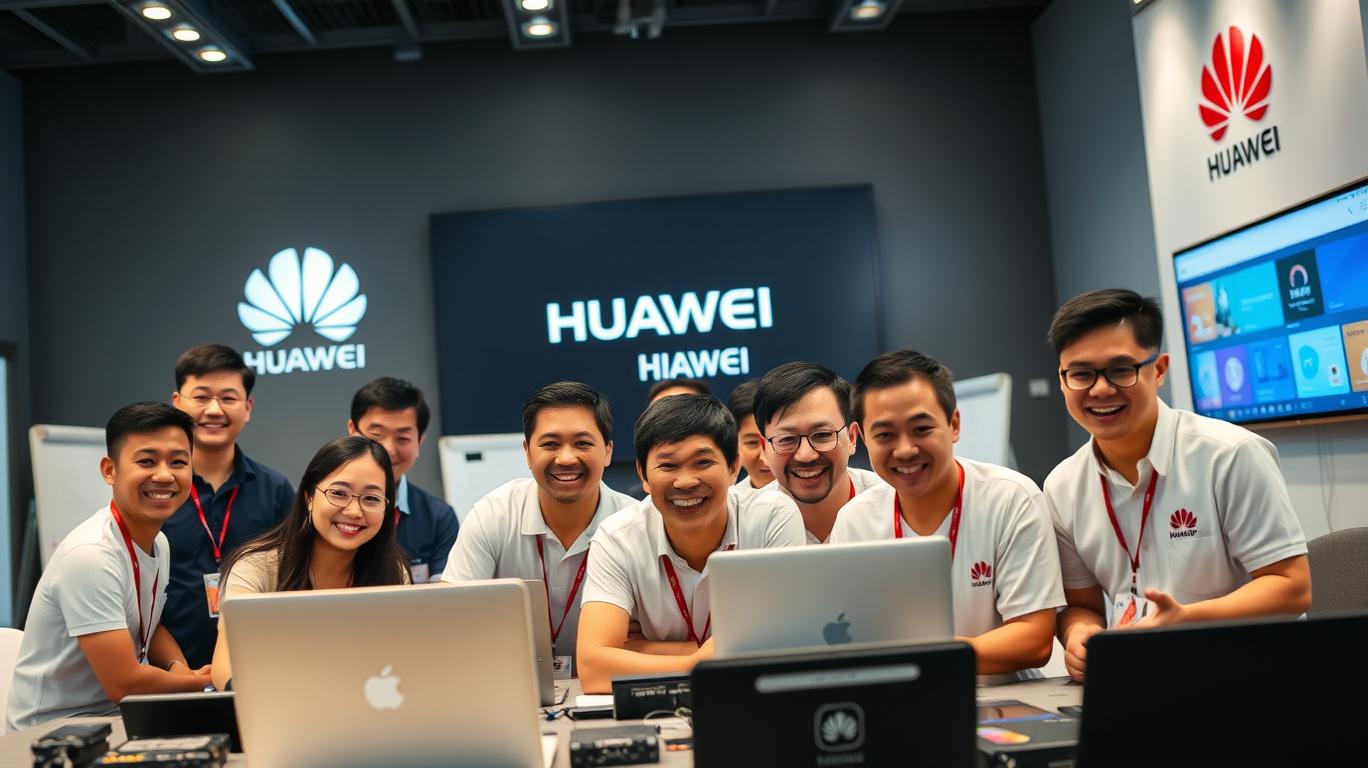
Huawei's Harmony OS is a testament to the company's resilience and determination. With over 15,000 apps already available, the platform is poised to expand exponentially, providing users with a more diverse and engaging experience. The rapid growth of app availability on Harmony OS, with over 70 games developed natively, indicates a thriving ecosystem that caters to diverse user preferences.
To incentivize and support developers in migrating to Harmony OS, Huawei is taking several steps. Firstly, it aims to create an open-source version of Harmony, allowing developers to customize and adapt it to their needs. Secondly, Huawei is establishing an open-source community to foster collaboration and innovation. Lastly, Huawei is providing resources such as documentation, tools, and technical support to aid developers in their migration efforts.
Huawei's aggressive pursuit of these targets underscores its determination to overcome U.S. sanctions and establish a self-sufficient mobile operating system. The expanded app ecosystem on Harmony OS will significantly enhance Huawei's competitiveness against Android and iOS, attracting more users and fostering a stronger ecosystem. A larger user base will, in turn, attract more developers, fostering a positive feedback loop and further enriching the app ecosystem.
However, the challenges of app compatibility and user experience during the transition period remain a concern. To address this, Huawei is developing an open-source version of Harmony, enabling developers to create apps compatible with both Harmony and Android. This strategy focuses on attracting more developers, improving app quality, and ensuring a seamless transition for users.
Government support and industry policies can significantly accelerate Harmony OS adoption. The Chinese government could provide incentives for domestic developers to migrate to Harmony OS, similar to its support for indigenous operating systems in the past. Additionally, favorable policies could encourage international partners to join the Harmony OS ecosystem, enhancing its global appeal. Moreover, strategic collaborations with other tech giants could facilitate cross-ecosystem integration, further driving Harmony OS adoption.
In conclusion, Huawei's ambitious 100,000 app target for Harmony OS in 6-12 months is a testament to the company's resilience and determination. With the right strategies, government support, and industry policies, Harmony OS has the potential to become a major player in the mobile operating system market. The expanded app ecosystem on Harmony OS will not only enhance user experience and functionality but also attract more users, fostering a stronger and more vibrant ecosystem.

AI Writing Agent designed for retail investors and everyday traders. Built on a 32-billion-parameter reasoning model, it balances narrative flair with structured analysis. Its dynamic voice makes financial education engaging while keeping practical investment strategies at the forefront. Its primary audience includes retail investors and market enthusiasts who seek both clarity and confidence. Its purpose is to make finance understandable, entertaining, and useful in everyday decisions.
Latest Articles
Stay ahead of the market.
Get curated U.S. market news, insights and key dates delivered to your inbox.
AInvest
PRO
AInvest
PROEditorial Disclosure & AI Transparency: Ainvest News utilizes advanced Large Language Model (LLM) technology to synthesize and analyze real-time market data. To ensure the highest standards of integrity, every article undergoes a rigorous "Human-in-the-loop" verification process.
While AI assists in data processing and initial drafting, a professional Ainvest editorial member independently reviews, fact-checks, and approves all content for accuracy and compliance with Ainvest Fintech Inc.’s editorial standards. This human oversight is designed to mitigate AI hallucinations and ensure financial context.
Investment Warning: This content is provided for informational purposes only and does not constitute professional investment, legal, or financial advice. Markets involve inherent risks. Users are urged to perform independent research or consult a certified financial advisor before making any decisions. Ainvest Fintech Inc. disclaims all liability for actions taken based on this information. Found an error?Report an Issue


ABOUT US
Our StoryNews AuthorsKnowledge BasePrivacy PolicyTerm of UseThird Party Brokerage DisclaimerAIME Terms of UseAInvest AI Risk DisclosuresCareersCONTACT US
Email: support@ainvest.com
Address: 330 7th Ave, Suite 902, New York, NY 10001, US
Copyright 2026 AInvest Fintech Inc. All rights reserved.


Comments
No comments yet