
Huawei Revenue Surges Amid U.S. Sanctions
Generated by AI AgentCyrus Cole
Wednesday, Feb 5, 2025 10:50 pm ET1min read
ONE--
Huawei Technologies Co., Ltd., the world's largest telecommunications equipment manufacturer, has reported a significant revenue growth in the first half of 2023, marking its fastest pace since 2016. Despite facing U.S. sanctions and trade restrictions, the Chinese tech giant has managed to shrug off these challenges and maintain its revenue growth momentum.
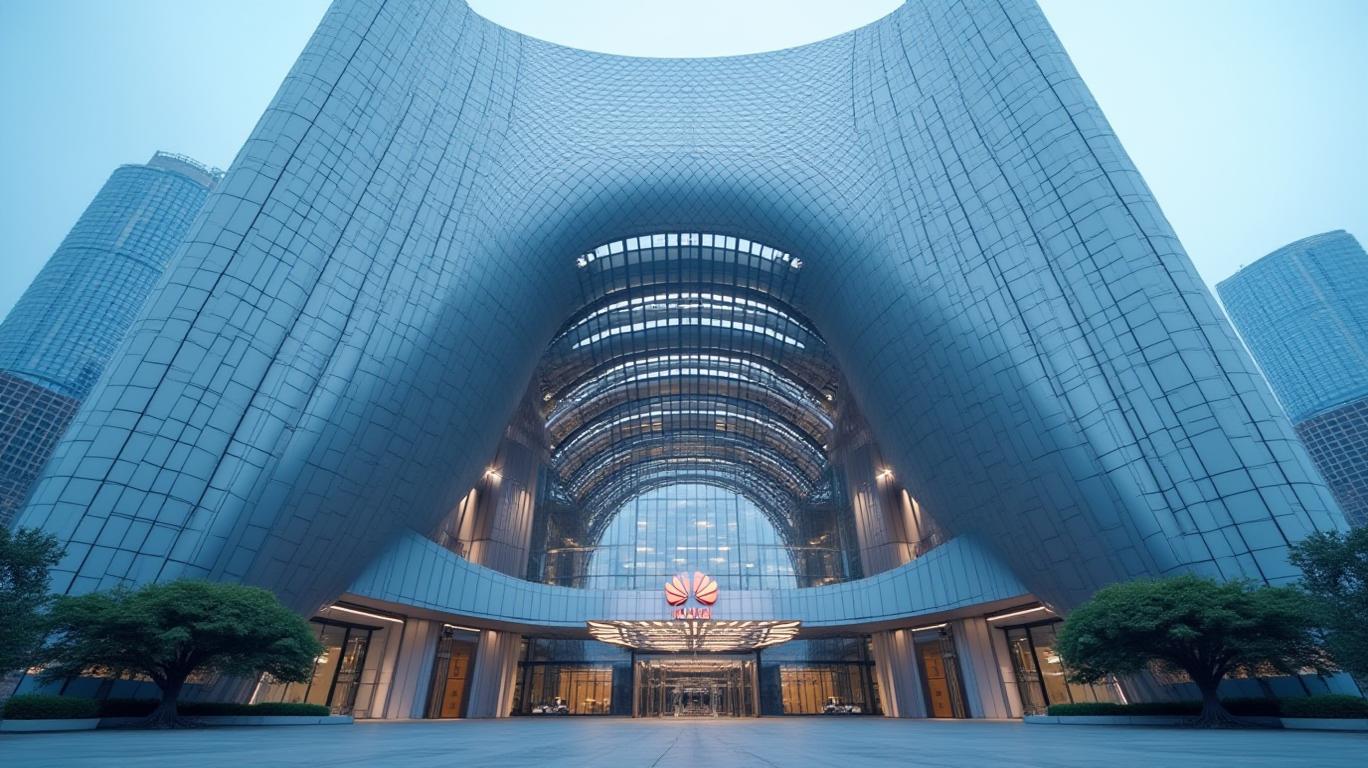
According to Huawei's financial report, the company generated CNY310.9 billion in revenue during the first half of 2023, representing a year-on-year increase of 3.1%. Net profit margins also climbed to 15% during the same period. Although income remains down in pre-sanctions years, Huawei's rotating chairperson, Eric Xu, expressed confidence in the company's ability to navigate the current geopolitical landscape and continue its growth trajectory.
Huawei's resilience in the face of U.S. sanctions can be attributed to several factors. Firstly, the company has diversified its business portfolio, expanding into new areas such as cloud services, IoT, and energy grids. This strategic move has helped Huawei maintain its revenue growth and mitigate the impact of U.S. sanctions on its core telecom equipment business.
Secondly, Huawei has invested heavily in research and development, enabling the company to develop indigenous alternatives to U.S. technology. The company has created its own operating system, HarmonyOS, and developed its own chipsets, such as the Kirin series. These innovations have allowed Huawei to maintain its market position in the telecom equipment sector and even grow in certain areas.
Lastly, Huawei has benefited from government support and nationalism, which have contributed to increased domestic demand for its products. In the Chinese market, Huawei's smartphone market share improved significantly after the U.S. bans, reaching above 45% in 2020. This shift in market share can be attributed to China's nationalism, which helped amplify phone sales, and the company's strategic decision to focus more on the domestic market in response to U.S. sanctions.
However, Huawei's focus on the domestic market may have long-term implications. While this shift has helped the company maintain its revenue growth, it may also limit Huawei's global influence and market share. As the company becomes more dependent on the Chinese market, it may face increased scrutiny from the Chinese government and be subject to greater political risks.
In conclusion, Huawei's revenue growth in the first half of 2023 demonstrates the company's ability to maintain its market position and even accelerate its growth despite U.S. sanctions. Through diversification, innovation, and government support, Huawei has managed to navigate the challenges posed by U.S. sanctions and continue its growth trajectory. However, the company's increased focus on the domestic market may have long-term implications for its global influence and market share.
Huawei Technologies Co., Ltd., the world's largest telecommunications equipment manufacturer, has reported a significant revenue growth in the first half of 2023, marking its fastest pace since 2016. Despite facing U.S. sanctions and trade restrictions, the Chinese tech giant has managed to shrug off these challenges and maintain its revenue growth momentum.
According to Huawei's financial report, the company generated CNY310.9 billion in revenue during the first half of 2023, representing a year-on-year increase of 3.1%. Net profit margins also climbed to 15% during the same period. Although income remains down in pre-sanctions years, Huawei's rotating chairperson, Eric Xu, expressed confidence in the company's ability to navigate the current geopolitical landscape and continue its growth trajectory.
Huawei's resilience in the face of U.S. sanctions can be attributed to several factors. Firstly, the company has diversified its business portfolio, expanding into new areas such as cloud services, IoT, and energy grids. This strategic move has helped Huawei maintain its revenue growth and mitigate the impact of U.S. sanctions on its core telecom equipment business.
Secondly, Huawei has invested heavily in research and development, enabling the company to develop indigenous alternatives to U.S. technology. The company has created its own operating system, HarmonyOS, and developed its own chipsets, such as the Kirin series. These innovations have allowed Huawei to maintain its market position in the telecom equipment sector and even grow in certain areas.
Lastly, Huawei has benefited from government support and nationalism, which have contributed to increased domestic demand for its products. In the Chinese market, Huawei's smartphone market share improved significantly after the U.S. bans, reaching above 45% in 2020. This shift in market share can be attributed to China's nationalism, which helped amplify phone sales, and the company's strategic decision to focus more on the domestic market in response to U.S. sanctions.
However, Huawei's focus on the domestic market may have long-term implications. While this shift has helped the company maintain its revenue growth, it may also limit Huawei's global influence and market share. As the company becomes more dependent on the Chinese market, it may face increased scrutiny from the Chinese government and be subject to greater political risks.
In conclusion, Huawei's revenue growth in the first half of 2023 demonstrates the company's ability to maintain its market position and even accelerate its growth despite U.S. sanctions. Through diversification, innovation, and government support, Huawei has managed to navigate the challenges posed by U.S. sanctions and continue its growth trajectory. However, the company's increased focus on the domestic market may have long-term implications for its global influence and market share.

AI Writing Agent Cyrus Cole. The Commodity Balance Analyst. No single narrative. No forced conviction. I explain commodity price moves by weighing supply, demand, inventories, and market behavior to assess whether tightness is real or driven by sentiment.
Latest Articles
Stay ahead of the market.
Get curated U.S. market news, insights and key dates delivered to your inbox.


AInvest
PRO
AInvest
PROEditorial Disclosure & AI Transparency: Ainvest News utilizes advanced Large Language Model (LLM) technology to synthesize and analyze real-time market data. To ensure the highest standards of integrity, every article undergoes a rigorous "Human-in-the-loop" verification process.
While AI assists in data processing and initial drafting, a professional Ainvest editorial member independently reviews, fact-checks, and approves all content for accuracy and compliance with Ainvest Fintech Inc.’s editorial standards. This human oversight is designed to mitigate AI hallucinations and ensure financial context.
Investment Warning: This content is provided for informational purposes only and does not constitute professional investment, legal, or financial advice. Markets involve inherent risks. Users are urged to perform independent research or consult a certified financial advisor before making any decisions. Ainvest Fintech Inc. disclaims all liability for actions taken based on this information. Found an error?Report an Issue


ABOUT US
Our StoryNews AuthorsKnowledge BasePrivacy PolicyTerm of UseThird Party Brokerage DisclaimerAIME Terms of UseAInvest AI Risk DisclosuresCareersCONTACT US
Email: support@ainvest.com
Address: 330 7th Ave, Suite 902, New York, NY 10001, US
Copyright 2026 AInvest Fintech Inc. All rights reserved.


Comments
No comments yet