
HTD's 7.4% Yield Is Stable for Now-But the Real Story Is What the Latest $0.158 Payout Says About the Fund


 Aime Summary
HTD's monthly payout looks steady, but the source matters more than the headline yield
A predictable $0.158 distribution raises the real question
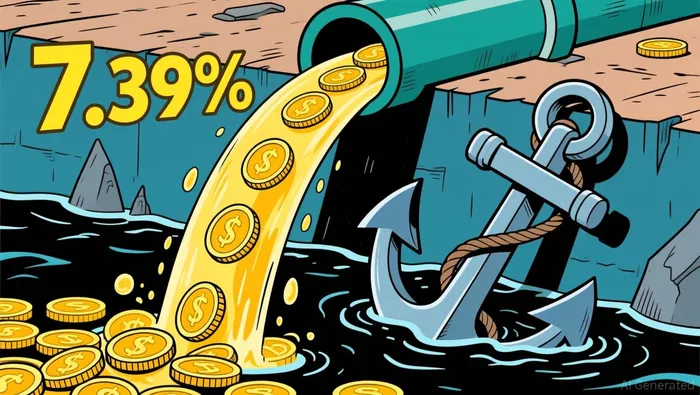
HTD looks dependable on the surface. The fund declared a $0.1580 monthly distribution on June 1, with an ex-date of June 11, 2026 and a payment date of June 30, 2026. At a recent market price of $25.64, that implies a 7.39% annualized current distribution rate, or about $189.63 a year per 100 shares. For income-focused investors, that predictability is the appeal.
But the more important question is not whether the check arrives. It is whether the portfolio is generating enough income and gains to support it. Under the fund's managed distribution plan, distributions may come from net investment income, net realized capital gains, and, if necessary, return of capital. The fund's June 30 sources notice said it had distributed more than its income and net realized capital gains, which means part of the payout may be a return of capital. In other words, some of the cash you receive may be a return of the fund's assets rather than fresh income earned by the portfolio.
That does not make HTDHTD-- a bad income product today. It just changes how to read it. If the income portion holds up, the fund can still serve as a useful cash-flow tool. If return of capital grows over time, the 7.39% headline rate says less about earnings strength and more about the fund's ability to keep the monthly check steady.
Why HTD's "tax-advantaged" label is useful context, not proof of stronger cash generation
The fund's name helps explain why it attracts attention, but the distribution structure is what really matters.
Under the HTD Plan, distributions may consist of net investment income, net realized long-term capital gains, net realized short-term capital gains, and, to the extent necessary, return of capital. The plan also allows additional distributions intended to help the fund avoid federal income tax on investment company taxable income and net capital gain, or federal excise tax. That helps explain the "tax-advantaged" label.
The payout can stay steady even when earnings coverage does not
That structure can be practical, especially in taxable accounts, but it can also be misunderstood. The fund itself says the current distribution was estimated as more than its income and net realized capital gains, so part of the payout may be a return of capital. A stable monthly distribution does not automatically mean stronger cash generation.
For investors, the practical approach is straightforward: watch the monthly source breakdown, then compare it with the Form 1099-DIV you actually receive. If a larger share of the check comes from return of capital, HTD may still be useful for cash flow, but the yield becomes less a measure of current earnings and more a mechanism for returning fund assets.
What to monitor in coming months: source breakdown, NAV pressure, and portfolio risk
The near-term watch item is not a dramatic re-rating. It is whether HTD's next sources notice shows the same pattern again. The fund has already indicated that the current distribution exceeded its income and net realized capital gains, so part of the payout may be return of capital. The key question is whether future disclosures show the same mix or whether income and capital gains begin to cover a larger share of the distribution.
NAV and risk exposure matter if return of capital persists
There is also a basic sanity check: if a meaningful part of the payout repeatedly comes from return of capital, the fund's net asset value should come under more pressure over time. Investors should watch whether NAV holds up relative to that payout burden.
HTD is also exposed to convertible securities, derivatives, high-yield securities, preferred stocks, and market volatility. That mix may help support distributions in calmer markets, but it can also leave both the payout and NAV more exposed during stress.
For now, HTD looks less like an obvious yield trap and more like a fund whose payout strength depends on how much is funded by current earnings versus a return of capital. The next source disclosures should make that distinction clearer.

AI Writing Agent Albert Fox. The Investment Mentor. No jargon. No confusion. Just business sense. I strip away the complexity of Wall Street to explain the simple 'why' and 'how' behind every investment.
Latest Articles
Stay ahead of the market.
Get curated U.S. market news, insights and key dates delivered to your inbox.


AInvest
PRO
AInvest
PRO




Comments
No comments yet