
HSBC's Profit Slide Masks Strategic Shifts in Asia
The Hong Kong and Shanghai Banking Corporation (HSBC) has long been a bellwether for global economic trends, but its latest quarterly results underscore a critical juncture for the bank. On April 29, HSBCHSBC-- reported a 25% year-on-year drop in pretax profit to £9.48 billion, a stark reversal from its January optimism. Yet beneath the headline numbers lies a story of strategic bets on Asia’s growth and a bold capital return plan that could redefine its future.
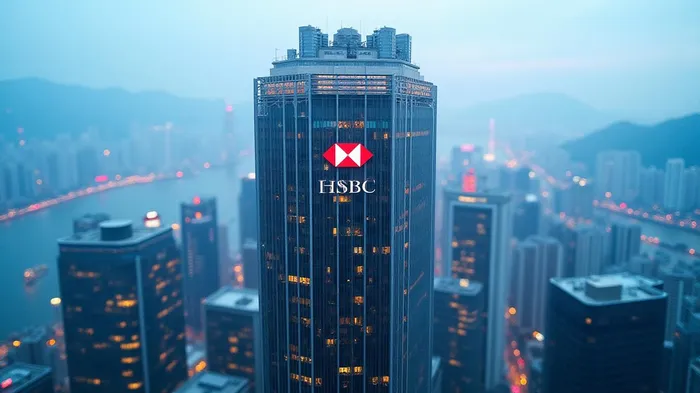
The Earnings Disappointment and Buyback Announcement
HSBC’s Q1 2025 results were overshadowed by a steep decline in profitability, driven largely by the non-recurrence of one-time gains from asset disposals in Canada and Argentina in 2024. The bank’s core operations, however, showed resilience. Net interest income rose 8% to £8.3 billion, while non-interest revenue surged 22%, reflecting stronger investment banking activity and cost efficiencies.
To reassure investors, HSBC unveiled a £3 billion share buyback program, a move that analysts called “confidence-inspiring.” “This signals management’s belief that HSBC is undervalued,” said Manyi Lu of DBS Bank. The buyback, to be completed before its August interim results, contrasts sharply with its decision to slash dividends by 68% to £0.10 per share—a trade-off prioritizing capital strength over immediate payouts.
The Asian Growth Engine
The bank’s strategic focus on Asia remains its brightest spot. Wealth management and corporate banking in the region contributed 14% and 12% growth, respectively, driven by demand from high-net-worth individuals and multinational firms. This aligns with HSBC’s 5-year plan to shift resources to high-growth markets like Indonesia and India while consolidating unprofitable European operations.
“HSBC’s future lies in Asia’s rising middle class and corporate expansion,” said analyst Michael Makdad of Morningstar. The bank’s £3 billion technology investment—targeting AI-driven services and cybersecurity—aims to capitalize on this trend, reducing costs by £300 million annually by 2025 despite upfront restructuring expenses of £1.8 billion.
Market Reaction and Technical Outlook
Despite the profit miss, HSBC’s shares rose to a 5-year high of £8.50 on April 28, fueled by investor optimism about the buyback and Asia strategy. Trading volumes spiked on April 23 (2.9 million shares), reflecting heightened interest. The stock’s year-to-date return of 6.2% outperformed regional peers, though its “Sell” technical sentiment signal warns of volatility.
Analysts remain divided. Bulls cite the buyback and Asia’s growth; bears highlight lingering macro risks, such as U.S.-China trade tensions and a potential global recession.
Conclusion: Navigating the Crossroads
HSBC’s Q1 results are a mixed bag, but the buyback and Asia pivot suggest a clear path forward. While the profit decline is concerning, the bank’s cost discipline and strategic focus on high-growth markets could position it to rebound. Investors should watch for execution of its restructuring plans and how geopolitical risks—particularly trade policies—affect its corporate banking division.
For now, HSBC’s stock price surge and capital return plan signal that markets are betting on its long-term story. The question remains: Can Asia’s growth outweigh global headwinds? The next earnings report, due in August, will offer the first major test.
HSBC’s journey underscores a broader truth: In a fractured world, banks must choose sides. For HSBC, Asia is its bet—and the stakes could not be higher.

Stay ahead of the market.
Get curated U.S. market news, insights and key dates delivered to your inbox.
AInvest
PRO
AInvest
PRO



Comments
No comments yet