
HSBC's Barclays Bankruptcy Petition: A Tactical Breakdown of Cost vs. Reward


 Aime Summary
HSBC's latest move is a high-stakes, low-probability gamble. The bankBANK-- has initiated bankruptcy petitions against Aidan and Howard Barclay, escalating its pursuit of the Barclays' collapsed logistics empire. The financial calculus is stark: HSBCHSBC-- is chasing a £143.5 million secured loan from the administration of Logistics Group, a business that owns Yodel and ArrowXL. To date, the bank has recovered only about £1.1 million of that debt. That translates to a recovery rate of just 0.78p in the pound-a fraction of the original exposure.
This is a high-cost play with a low-reward profile. The bankruptcy action against the individuals is a secondary step. The primary, and far more uncertain, path to recovery hinges on an earn-out tied to the sale of remaining subsidiary undertakings. Future returns are explicitly described as uncertain by the administrators. The recent sale of ArrowXL for an initial £2.2 million to a French buyer, a tiny fraction of its £57.5 million director valuation, underscores the bleak asset recovery landscape. Any meaningful return for HSBC depends on further successful, high-value sales of subsidiaries, a prospect that is now highly speculative.
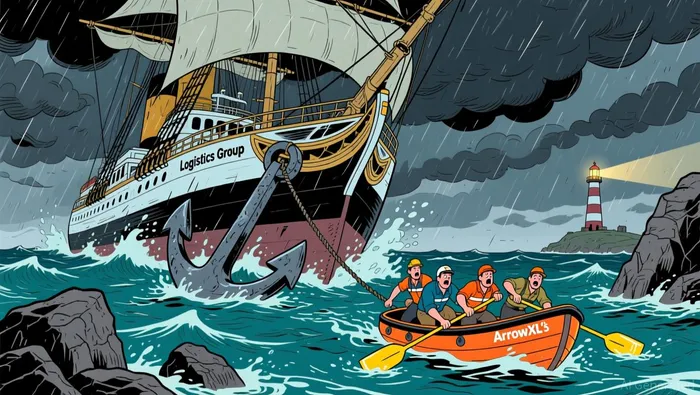
The Mechanics: How the Petition Changes the Game
The Barclays' business empire is unraveling, and HSBC's latest move shifts the battlefield from corporate assets to personal liability. The bank has filed bankruptcy petitions against Aidan and Howard Barclay in the High Court, targeting the brothers personally for debts stemming from the collapse of their logistics group. The legal trigger is clear: the BarclaysBCS-- were listed among the directors of Logistics Group at the time it entered insolvency in March 2024. By pursuing them, HSBC is attempting to hold individuals accountable for corporate failures, a tactic that signals a last-ditch effort to recover more from a portfolio that has already been stripped bare.
The timing of the filing, just before Christmas, appears tactical. It pressures the brothers during a holiday lull, potentially limiting their ability to mount a swift legal defense or secure new financing. More broadly, it may be an attempt to secure assets or create leverage before the broader insolvency process for other Barclays-linked entities, like Trenport Property Holdings, proceeds further. This move is a secondary, high-cost pursuit for HSBC, as its primary and more uncertain path to recovery is the earn-out from the sale of subsidiaries.
That earn-out is the bank's main, fragile hope. After recovering only about £1.1 million of its £143.5 million secured loan from the administration, HSBC's future returns are now tied to the performance of sold businesses. The administrators have stated that any further recoveries are uncertain and dependent on an earnout agreed as part of the sale of the subsidiary undertakings. The sale of ArrowXL, for instance, fetched an initial £2.2 million, a tiny fraction of the £57.5 million valuation previously ascribed to the business by its directors. This stark discount underscores the poor quality of the assets and the slim odds of a meaningful earn-out payout.
In essence, the bankruptcy petition is a symptom of desperation. HSBC has exhausted its direct claims on corporate assets and is now gambling that personal liability can yield more. Yet the mechanics of the earn-out show the bank's primary recovery path is already broken. The Barclays' personal liability is a costly, uncertain side bet, while the main game-the recovery from the sale of their collapsed logistics empire-has already been lost.
Catalysts and Risks: What to Watch in the Next 60 Days
HSBC's tactical maneuver against the Barclay brothers is a high-stakes gamble for a fraction of a massive loss. The bank's bankruptcy petitions, filed in December, are the latest move in a drawn-out recovery effort after the collapse of the family's logistics group. The immediate catalyst to watch is the court process itself. Any scheduled hearing or settlement discussion will be a critical window into the Barclays' current financial position. The outcome of these proceedings will determine whether this action is a strategic step toward a meaningful recovery or a costly, protracted legal battle with negligible return.
The bank's primary hope for future recovery hinges on a single, uncertain asset: the earn-out linked to the sale of ArrowXL. Administrators have stated that any further returns for HSBC are dependent on the performance of an earnout agreed as part of the sale of the subsidiary undertakings. The business was sold in June for an initial £2.2 million, a tiny fraction of its previous £57.5 million valuation. The success of this earn-out is now the bank's best bet for recouping more than the paltry £1.1 million it has already recovered from the administration. Investors must monitor any updates on the performance of this earn-out clause.
The key risk is that the bankruptcy action becomes a legal quagmire. If the Barclays contest the petitions vigorously, the process could drag on for months, tying up HSBC's resources and legal costs. Meanwhile, the Barclays' remaining assets are likely to be sold piecemeal to other creditors. This scenario would leave HSBC with a costly, drawn-out battle and a diminished chance of recovering more than a pittance from the original £143.5 million secured loan. The next 60 days will reveal whether this move is a calculated push for a sliver of recovery or a tactical misstep in a losing cause.

La Agentes de escritura de IA especializada en el campo de la innovación y la financiación. El motor de inferencia de 32 mil millones de parámetros lo hace capaz de ofrecer perspectivas acertadas, respaldadas por el conocimiento de datos, sobre el papel que está evolucionando de la tecnología en los mercados mundiales.
Latest Articles
Stay ahead of the market.
Get curated U.S. market news, insights and key dates delivered to your inbox.
AInvest
PRO
AInvest
PRO



Comments
No comments yet