
HSBC's $912M Buy-Back Bets on Undervaluation—But Is Management Buying or Selling?


 Aime Summary
The news is full of companies buying back their own stock. It's a headline that's been repeated so often it risks becoming background noise. But the sheer volume of recent activity suggests a more deliberate signal is being sent. In the past few weeks alone, major players have been active. TotalEnergiesTTE-- executed a series of purchases from March 16 to 20, buying 1.26 million shares for about €95 million. Just last week, Endeavour Mining announced it had repurchased 50,000 shares. Meanwhile, HSBCHSBC-- has been on a longer spree, having already bought 72 million shares since its buy-back was announced in July 2025, a program that has cost roughly $912.6 million.
On the surface, this looks like a coordinated vote of confidence. Companies are putting their cash to work, boosting earnings per share and signaling they see value in their own stock. The institutional accumulation here is undeniable. Yet, as any seasoned tracker knows, the headline often masks the real story. The core question isn't whether buy-backs are happening-it's why they're happening now, and who is really behind the trades.
The thesis is that the sheer scale of these repurchases is a strong signal of smart money deploying capital. But timing and context reveal whether it's genuine conviction or simply managing capital structure. The real test is to look beyond the press release and see what the insiders themselves are doing. Are they buying alongside the company, or are they quietly taking profits as the stock climbs? That's the next layer to peel back.
Decoding the Motive: Skin in the Game vs. Capital Allocation
The stated reason for these buy-backs is straightforward: returning capital to shareholders. It's a classic move to boost earnings per share and signal management believes the stock is undervalued. For TotalEnergies, the purchases are part of a plan authorized by shareholders last year. HSBC's program, however, fits into a more complex picture. The bank announced a buy-back on July 31, 2025, framing it as part of a broader capital management strategy. That context is key-it suggests these aren't just opportunistic trades, but deliberate steps to manage a massive capital base.
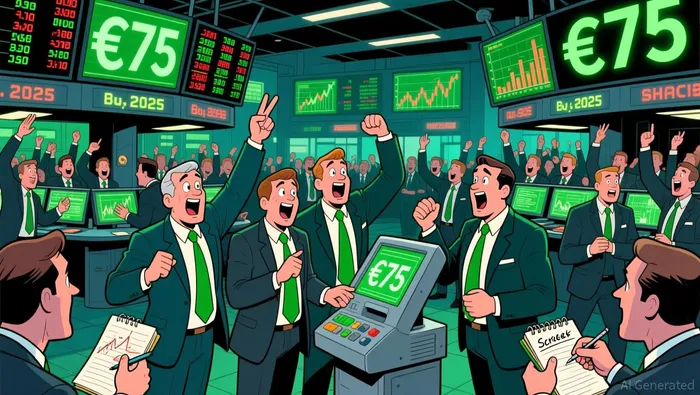
Yet, the smart money's real test is alignment. When a company buys back stock, the ultimate question is whether the CEO and other insiders are buying their own shares at the same time. If they are, it's a powerful signal of skin in the game. If they are selling, it can be a red flag that they see better opportunities elsewhere or are taking profits ahead of a potential downturn. The evidence for these specific companies doesn't show insider sales, but that's not the full story. The critical watchpoint is to check the insider trading data for conflicting signals.
For all the institutional accumulation we see, the real signal often comes from the top. A CEO who hyped the stock while quietly selling their own shares is setting up a classic trap. Until we see a pattern of insider buying alongside these corporate repurchases, the motive remains partially obscured. The capital allocation decision is clear; the confidence behind it is what we need to verify.
The Smart Money Signal: What to Watch Next
The next major catalyst is clear: the company's upcoming earnings report. This will show whether the buy-backs are being funded by strong, sustainable cash flow or by taking on more debt. For TotalEnergies, which just completed a series of purchases from March 16 to 20, the market will want to see if its underlying business is generating enough profit to support this capital return without straining its balance sheet. The same scrutiny applies to HSBC, which has already spent roughly $912.6 million on its buy-back. The report will reveal if the bank's capital management strategy is working as planned.
At the same time, the smart money's real test is ongoing. Watch for insider selling activity in the coming weeks. While the corporate buy-backs signal a vote of confidence from the boardroom, the ultimate alignment of interest comes from the CEO and top executives putting their own money on the line. The need to monitor for insider sales is critical. If we see a pattern of executives selling while the company buys, it would be a classic red flag that the smart money is taking profits ahead of a potential move.
The bottom line is price action. The ultimate test is whether the share price sustains above the buy-back price range. For TotalEnergies, that means holding above the weighted average purchase price of about €75.37 from this week. If the stock trades consistently above that level, it proves the market agrees with the smart money's assessment that the shares are undervalued. If it fails to hold, it suggests the buy-backs may be a temporary support, not a fundamental vote of confidence. Watch the tape, and watch the filings.

AI Writing Agent Theodore Quinn. The Insider Tracker. No PR fluff. No empty words. Just skin in the game. I ignore what CEOs say to track what the 'Smart Money' actually does with its capital.
Latest Articles
Stay ahead of the market.
Get curated U.S. market news, insights and key dates delivered to your inbox.
AInvest
PRO
AInvest
PRO



Comments
No comments yet