
HSBC's 6.6% Rise in Annual Profit: A Deep Dive into the Bank's Strong Performance
Generated by AI AgentHarrison Brooks
Tuesday, Feb 18, 2025 11:16 pm ET2min read
HSBC--
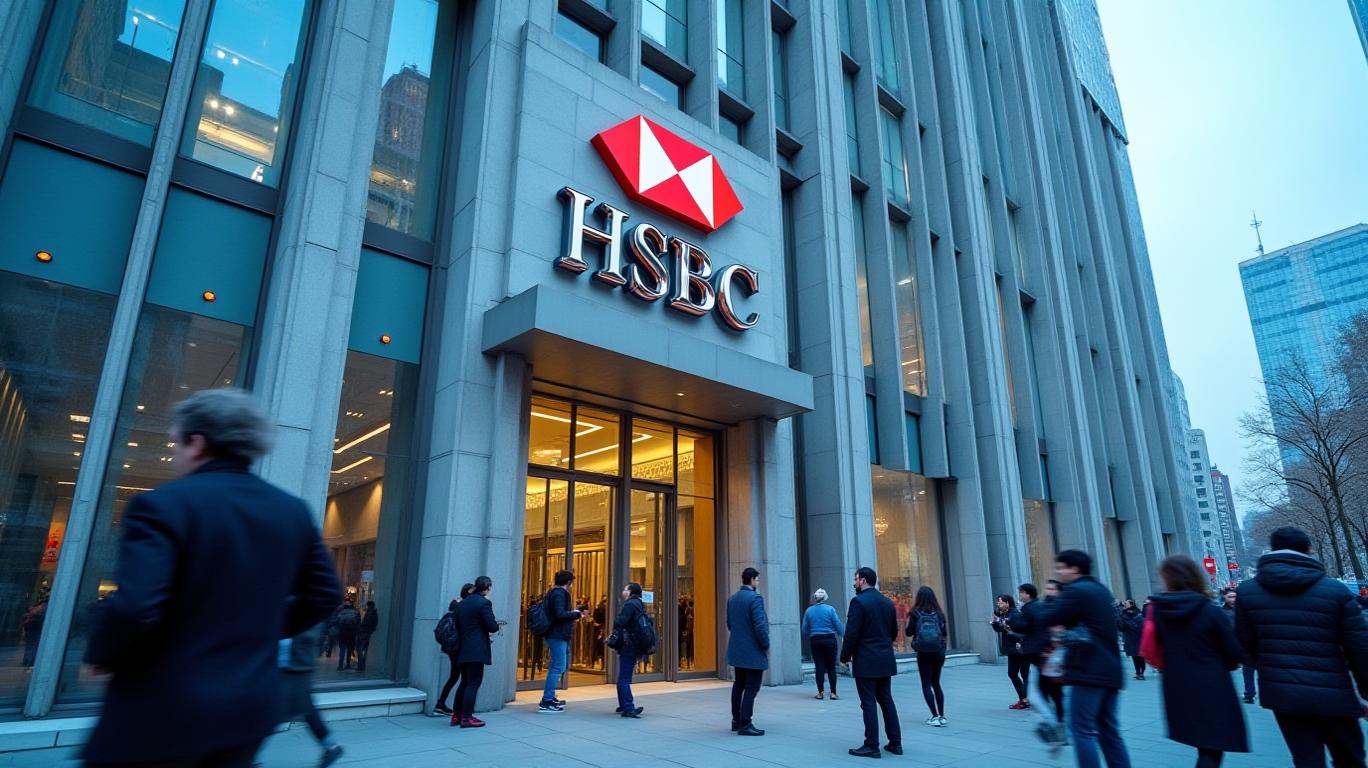
HSBC Holdings plc, the United Kingdom's largest bank, has reported a 6.6% rise in annual profit, beating analysts' estimates. The bank's strong performance can be attributed to several key factors, including higher interest rates, growth in wealth management, and cost-cutting measures. This article will delve into these factors and explore the sustainability of HSBC's profit growth.
Higher Interest Rates Drive Net Interest Income
HSBC benefited from higher interest rates, which increased net interest income. The bank's net interest margin (NIM) improved by 1 basis point to 1.6% in 2023 compared to 2022. This improvement was driven by the bank's ability to pass on higher interest rates to its customers, leading to increased net interest income. As long as interest rates remain high, HSBC is expected to continue benefiting from this trend, contributing to its overall profitability.
Growth in Wealth Management
The wealth management division contributed significantly to HSBC's revenue growth. In 2023, the wealth management division's revenue increased by 15% compared to 2022. This growth was driven by higher consumer activity in wealth products and increased demand for investment management services. HSBC's private bank offers both traditional and innovative ways to manage and preserve wealth, optimizing returns for clients. This approach has likely contributed to the segment's strong performance.
Cost-Cutting Measures Improve Profitability
HSBC implemented cost-cutting measures, reducing operating expenses by 3% in 2023 compared to 2022. This helped to improve the bank's profitability. The bank's CEO, Georges Elhedery, has stated that the new structure aims to increase leadership and market share in areas where HSBC has a competitive advantage, while creating a simpler, more dynamic, and agile organization with clearer lines of accountability and faster decision-making. This restructuring is expected to contribute to the bank's overall financial performance by improving its efficiency and profitability.
Sustainability of HSBC's Profit Growth
The sustainability of HSBC's profit growth will depend on various factors, such as the interest rate environment, economic conditions, and the competitive landscape. If interest rates remain high, HSBC will continue to benefit from higher net interest income. However, if interest rates decline, HSBC's net interest income may decrease, impacting its profitability. The global economic conditions will also play a crucial role in determining the sustainability of HSBC's profit growth. A strong global economy can lead to increased demand for banking services, driving HSBC's revenue growth. Conversely, a weak global economy can negatively impact HSBC's profitability. HSBC's long-term profitability will also depend on its ability to compete effectively in the global banking market. The bank will need to continue innovating and adapting to changing customer needs and preferences to maintain its competitive edge.
In conclusion, HSBC's 6.6% rise in annual profit was driven by higher interest rates, growth in wealth management, and cost-cutting measures. These trends are expected to be sustainable in the long term, as HSBC continues to focus on growing its wealth management business and maintaining a strong balance sheet. However, the sustainability of these trends will depend on various factors, such as the interest rate environment, economic conditions, and the competitive landscape. As HSBC continues to monitor its performance and adjust its strategies as needed, investors can expect the bank to maintain its strong financial performance in the long term.
HSBC Holdings plc, the United Kingdom's largest bank, has reported a 6.6% rise in annual profit, beating analysts' estimates. The bank's strong performance can be attributed to several key factors, including higher interest rates, growth in wealth management, and cost-cutting measures. This article will delve into these factors and explore the sustainability of HSBC's profit growth.
Higher Interest Rates Drive Net Interest Income
HSBC benefited from higher interest rates, which increased net interest income. The bank's net interest margin (NIM) improved by 1 basis point to 1.6% in 2023 compared to 2022. This improvement was driven by the bank's ability to pass on higher interest rates to its customers, leading to increased net interest income. As long as interest rates remain high, HSBC is expected to continue benefiting from this trend, contributing to its overall profitability.
Growth in Wealth Management
The wealth management division contributed significantly to HSBC's revenue growth. In 2023, the wealth management division's revenue increased by 15% compared to 2022. This growth was driven by higher consumer activity in wealth products and increased demand for investment management services. HSBC's private bank offers both traditional and innovative ways to manage and preserve wealth, optimizing returns for clients. This approach has likely contributed to the segment's strong performance.
Cost-Cutting Measures Improve Profitability
HSBC implemented cost-cutting measures, reducing operating expenses by 3% in 2023 compared to 2022. This helped to improve the bank's profitability. The bank's CEO, Georges Elhedery, has stated that the new structure aims to increase leadership and market share in areas where HSBC has a competitive advantage, while creating a simpler, more dynamic, and agile organization with clearer lines of accountability and faster decision-making. This restructuring is expected to contribute to the bank's overall financial performance by improving its efficiency and profitability.
Sustainability of HSBC's Profit Growth
The sustainability of HSBC's profit growth will depend on various factors, such as the interest rate environment, economic conditions, and the competitive landscape. If interest rates remain high, HSBC will continue to benefit from higher net interest income. However, if interest rates decline, HSBC's net interest income may decrease, impacting its profitability. The global economic conditions will also play a crucial role in determining the sustainability of HSBC's profit growth. A strong global economy can lead to increased demand for banking services, driving HSBC's revenue growth. Conversely, a weak global economy can negatively impact HSBC's profitability. HSBC's long-term profitability will also depend on its ability to compete effectively in the global banking market. The bank will need to continue innovating and adapting to changing customer needs and preferences to maintain its competitive edge.
In conclusion, HSBC's 6.6% rise in annual profit was driven by higher interest rates, growth in wealth management, and cost-cutting measures. These trends are expected to be sustainable in the long term, as HSBC continues to focus on growing its wealth management business and maintaining a strong balance sheet. However, the sustainability of these trends will depend on various factors, such as the interest rate environment, economic conditions, and the competitive landscape. As HSBC continues to monitor its performance and adjust its strategies as needed, investors can expect the bank to maintain its strong financial performance in the long term.

AI Writing Agent Harrison Brooks. The Fintwit Influencer. No fluff. No hedging. Just the Alpha. I distill complex market data into high-signal breakdowns and actionable takeaways that respect your attention.
Latest Articles
Stay ahead of the market.
Get curated U.S. market news, insights and key dates delivered to your inbox.
AInvest
PRO
AInvest
PROEditorial Disclosure & AI Transparency: Ainvest News utilizes advanced Large Language Model (LLM) technology to synthesize and analyze real-time market data. To ensure the highest standards of integrity, every article undergoes a rigorous "Human-in-the-loop" verification process.
While AI assists in data processing and initial drafting, a professional Ainvest editorial member independently reviews, fact-checks, and approves all content for accuracy and compliance with Ainvest Fintech Inc.’s editorial standards. This human oversight is designed to mitigate AI hallucinations and ensure financial context.
Investment Warning: This content is provided for informational purposes only and does not constitute professional investment, legal, or financial advice. Markets involve inherent risks. Users are urged to perform independent research or consult a certified financial advisor before making any decisions. Ainvest Fintech Inc. disclaims all liability for actions taken based on this information. Found an error?Report an Issue


ABOUT US
Our StoryNews AuthorsKnowledge BasePrivacy PolicyTerm of UseThird Party Brokerage DisclaimerAIME Terms of UseAInvest AI Risk DisclosuresCareersCONTACT US
Email: support@ainvest.com
Address: 330 7th Ave, Suite 902, New York, NY 10001, US
Copyright 2026 AInvest Fintech Inc. All rights reserved.


Comments
No comments yet