
The U.S. Housing Paradox: Record Prices and Buyer Power—Where to Invest Now
The U.S. housing market in early 2025 presents a striking paradox: home prices have reached record highs, yet buyers now hold unprecedented leverage to negotiate below-asking prices. This confluence of soaring valuations and shifting bargaining power reflects deepening regional disparities, evolving buyer behavior, and the lingering effects of monetary policy. For investors, navigating this landscape requires a nuanced understanding of where resilience meets opportunity—and where risks of overvaluation loom large.
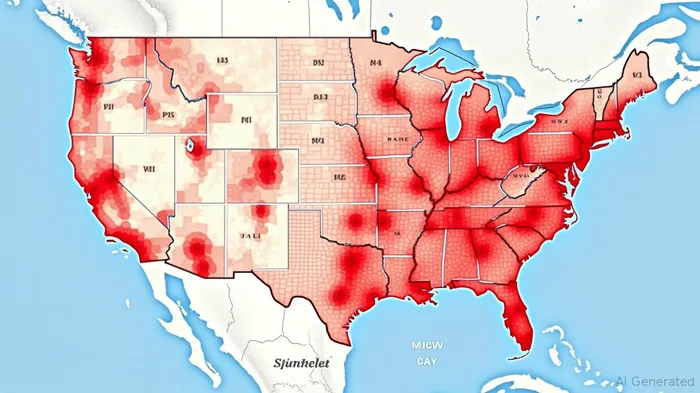
The Paradox Unpacked: How Can Prices Rise While Buyers Gain Power?
National home prices, as measured by the S&P CoreLogicSYBX-- Case-Shiller Index, hit a historic peak of 299.9 in May 2025, surpassing the 2006 bubble's inflation-adjusted high by 12%. Yet, a reveal a 3.1% year-over-year decline, with 29.8% of listings now offering price concessions. Similarly, Arizona and Colorado report steep discounts, as surging inventories—up 14.1% nationally—give buyers the upper hand. The answer lies in regional divergences:
- The Northeast's Tight Supply, High Prices: Markets like New York and Boston remain robust, with prices rising 8.1% annually. Limited inventory and strong demand from high-income buyers sustain premiums here.
- Sunbelt and Western Overvaluation: States like Florida, Arizona, and Utah, once magnets for migration, now face corrections. Overbuilding during the pandemic, coupled with cooling demand, has left these areas with oversupply and declining prices.
- The Middle Ground: The Midwest and parts of the South, such as Tennessee and Georgia, exhibit mixed signals. While overvaluation metrics hit 25–26%, some urban centers (e.g., Nashville) show resilience due to job growth and stable rental demand.
Why the Contradiction Matters for Investors
The paradox arises from structural imbalances:- Mortgage Rates: The 6.8% 30-year fixed rate in May 2025 continues to suppress demand, especially in high-cost markets. Buyers are pickier, and sellers must concede to attract them.- Inventory Dynamics: A 2.06 million-home inventory in May 2025—up from 1.8 million in 2024—has tipped the scale toward buyers in oversupplied regions. Yet, in constrained markets like Manhattan or San Francisco, inventory remains scarce, propping up prices.- Psychological Shifts: After years of frenzied bidding wars, buyers now prioritize affordability and long-term value over speculative gains, particularly in areas where prices decoupled from income growth.
Investment Strategy: Focus on Resilience, Not Speculation
The path forward for investors is clear: avoid blanket exposure to the housing market and instead target geographic and property-type specificity.
- Undervalued Regions with Structural Demand:
- Northeast Urban Cores: Despite high prices, cities like Boston, New York, and Washington, D.C., offer stability due to strong job markets and limited housing stock. A shows tight rental markets, supporting long-term cash flow.
Midwest and Southern Urban Hubs: Cities such as Nashville, Charlotte, and Indianapolis combine moderate price growth (2–4% annually) with manageable inventory and job growth. These markets avoid the extremes of both overheated and oversupplied regions.
Income-Generating Properties Over Speculation:
- Rental Apartments in Stable Markets: Focus on multifamily units in areas with low vacancy rates (e.g., Austin's 3.2% rental vacancy) and steady tenant demand. These provide predictable cash flows, insulated from transactional volatility.
Fixer-Upper Opportunities in Correcting Markets: In states like Arizona or Florida, distressed sellers may offer deep discounts on homes needing renovations. Such deals can yield strong returns if done strategically, avoiding overextended neighborhoods.
Avoid Overvalued Bubbles:
- Sunbelt Vacation Homes: Markets like Palm Beach or Las Vegas, where prices surged 20–30% during the pandemic, now face oversupply and declining demand. A shows poor fundamentals here.
- Overbuilt Suburbs: Post-pandemic suburban sprawl in places like Phoenix or Denver has led to excess inventory. Wait for further corrections before entering these areas.
Risks and the Road Ahead
The Federal Reserve's stance remains critical. If rates begin to fall—a possibility by late 2025—demand could rebound, stabilizing prices. However, overvaluation in certain regions remains a ticking clock. A 1% annual price decline forecast for late 2025 by Redfin underscores the risks of holding undiversified real estate portfolios.
Final Takeaway: Think Like a Buyer, Act Like a Long-Term Holder
Investors should treat housing as a diversification tool, not a speculative play. Prioritize:- Cash Flow Over Appreciation: Rental yields and occupancy rates matter more than headline price gains.- Regional Diversification: Balance exposure between growth markets (Northeast) and undervalued but stable areas (Midwest).- Seller Concessions as Value: Use negotiation power in oversupplied regions to secure below-market rents or purchase prices.
The U.S. housing paradox isn't a crisis—it's a market recalibration. For those who navigate it with patience and precision, the rewards lie in resilience, not records.

Stay ahead of the market.
Get curated U.S. market news, insights and key dates delivered to your inbox.


AInvest
PRO
AInvest
PRO



Comments
No comments yet