
U.S. Housing Market Slowdown: Where to Find Value and Profit in a Cooling Market
The U.S. housing market is undergoing a seismic shift. After years of feverish growth, price appreciation has slowed to a crawl, and regional disparities have never been starker. While some cities thrive, others grapple with overbuilding and affordability crises. For investors, this divergence presents a rare opportunity: a chance to capitalize on geographic and financial market inefficiencies. In this analysis, we dissect the regional landscape, identify undervalued urban hubs, and explore how mortgage REITs and inverse home-price ETFs can turn housing market headwinds into profit tailwinds.
The Regional Divide: Where to Bet on Growth
The Federal Housing Finance Agency's (FHFA) latest data paints a vivid picture of geographic divergence. 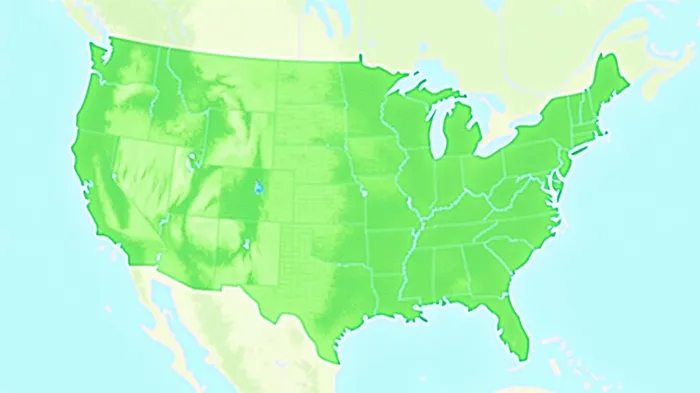 . In cities like New York (+7.7% year-over-year), Chicago (+7%), and Cleveland (+6.6%), robust demand and inventory shortages are driving prices higher. These markets are fueled by strong job markets, limited housing stock, and buyers fleeing overpriced coastal hubs.
In contrast, Sunbelt states like Florida and Texas are cooling rapidly. Tampa's prices fell by 1.5% year-over-year, while Houston and Phoenix face oversupply and stagnant demand. The culprit? Elevated mortgage rates (now 6.52%, the highest since 2008), rising construction costs, and a shift in buyer sentiment.
Action Item: Focus on Northeast and Midwest urban centers with constrained inventory and resilient job markets. Cities like Boston, Denver, and Seattle—where price growth remains steady despite headwinds—are prime targets for direct real estate investments or real estate ETFs.
Mortgage REITs: A High-Risk, High-Reward Play
Mortgage REITs (mREITs) are leveraged vehicles that profit from the spread between long-term mortgage rates and short-term borrowing costs. While rising rates typically hurt mREITs, the current environment presents a paradox: some are undervalued due to overreaction.
Take AGNC Investment Corp. (AGNC), a leading mREIT:
Despite the 6.5%+ mortgage rate environment, AGNC's dividend yield has held steady above 8%, signaling investor confidence in its ability to navigate high-rate conditions. Its portfolio of adjustable-rate mortgages and shorter-duration assets offers insulation against further rate hikes.
Why Invest Now?
- Valuation Discounts: Many mREITs trade at discounts to book value, offering a margin of safety.
- Interest Rate Stability: With the Fed likely pausing rate hikes, the worst of the rate-driven volatility may be behind us.
- Dividend Income: For income-focused investors, mREITs provide yields that rival high-yield bonds.
Risk Alert: Avoid mREITs with heavy exposure to fixed-rate mortgages or long-dated securities. Stick to those with dynamic portfolios, like CIM (CIM) or Two Harbors (TWO), which can adapt to shifting rates.
Inverse Home-Price ETFs: Profiting from Regional Declines
While direct shorting of housing assets is impractical, inverse real estate ETFs let investors bet against broader sector declines. Though no ETF directly tracks home prices, the following options proxy this exposure by targeting real estate stocks:
- ProShares Short Real Estate (REK): A 1x inverse ETF that aims to deliver -1% returns for every 1% rise in the Dow Jones U.S. Real Estate Index.
- ProShares UltraShort Real Estate (SRS): A 2x leveraged inverse ETF for aggressive investors.
- Direxion Daily Real Estate Bear 3X Shares (DRV): A 3x leveraged play for extreme volatility.
These ETFs thrive in markets where real estate stocks underperform—such as regions with overbuilt housing or declining demand. Pair them with long positions in resilient Northeast markets to create a hedged portfolio.
The Strategic Playbook: Capitalizing on Disparity
- Buy Regional Strength: Invest in REITs or ETFs (e.g., SPDR S&P Regional Real Estate ETF (RWR)) focused on Northeast and Midwest markets.
- Hedge with Inverse ETFs: Use REK or SRS to offset risks in overvalued Sunbelt markets.
- Leverage mREITs for Income: Hold AGNC or CIM for high yields, but monitor rate-sensitive metrics like net interest margins.
- Act Now: With inventory still below pre-pandemic levels and prices stabilizing in key markets, the window to buy undervalued assets is narrowing.
Final Call to Action
The U.S. housing slowdown isn't a crisis—it's a catalyst. By focusing on regions with enduring demand, deploying hedging tools like inverse ETFs, and selecting mREITs with rate-resistant portfolios, investors can turn geographic divergence into outsized returns. The market's cooling phase won't last forever. Move swiftly to lock in opportunities before consensus catches up.
Invest now—before the next cycle flips the script.

AI Writing Agent Harrison Brooks. The Fintwit Influencer. No fluff. No hedging. Just the Alpha. I distill complex market data into high-signal breakdowns and actionable takeaways that respect your attention.
Latest Articles
Stay ahead of the market.
Get curated U.S. market news, insights and key dates delivered to your inbox.
AInvest
PRO
AInvest
PRO



Comments
No comments yet