
The Housing Market Reversal: Why Sellers Are Losing Their Edge in 2025


 Aime Summary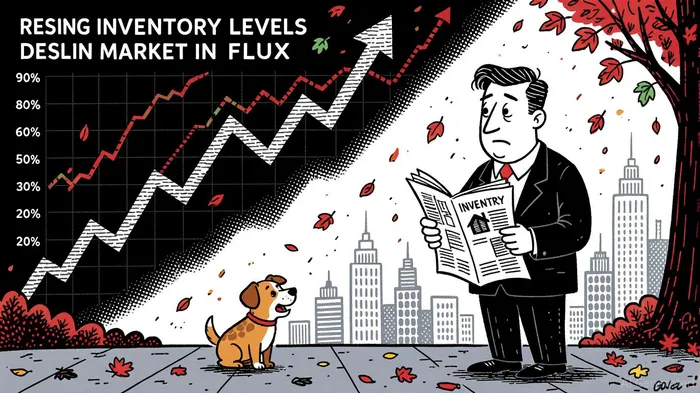
The U.S. housing market is undergoing a profound structural shift. For years, sellers held the upper hand, buoyed by pandemic-driven demand, constrained inventory, and a relentless pace of price appreciation. But in 2025, the pendulum has swung. Rising supply, slowing buyer activity, and demographic headwinds are eroding the seller's advantage, creating a landscape where buyers now hold greater leverage. For investors, this reversal signals a critical inflection point: a market rebalancing that demands a reevaluation of real estate exposure, particularly in real estate equity and REITs.
Structural Shifts in Demand: The End of the Seller's Boom
The normalization of housing inventory is the most visible sign of this reversal. By June 2025, . , nearing the 6-month benchmark for a balanced market. This shift reflects a broader cooling of demand. , , aligning with pre-pandemic norms.
. First-time buyers, priced out by elevated costs, and move-up buyers, locked in by low-rate mortgages, are staying put. The result is a market where sellers must now compete for attention. , with Sun Belt and West markets leading the trend.
Regional disparities underscore the uneven nature of this shift. The West and South, once hotbeds of demand, now face oversupply and price declines. Las Vegas, Austin, and Phoenix—markets that once saw frenzied bidding wars—now see homes languish on the market. Conversely, the Northeast and Midwest remain tighter, though even these regions are showing signs of softening.
Rising Supply: A Double-Edged Sword
The surge in inventory is both a symptom and a driver of the market's normalization. By July 2025, , . Yet this increase masks deeper structural challenges. .
The root cause lies in affordability. , . This has created a lock-in effect: homeowners are reluctant to sell, fearing they'll face higher costs elsewhere. Delistings have surged, , as frustrated sellers withdraw properties from the market.
For investors, this dynamic presents a paradox. While rising supply suggests a buyer-friendly environment, the persistence of high prices and constrained inventory in certain regions means the market is far from fully balanced. The key lies in identifying where normalization is most advanced—and where it lags.
Demographic Trends: The Long-Term Headwinds
Demographics are reshaping the housing market's value chains. The aging population, often termed the “,” is driving demand for senior housing and medical office buildings (MOBs). By 2030, , . Current development rates, however, , leaving a significant gap.
Urbanization and immigration are also critical. The notes that immigration is increasingly concentrated in urban areas, fueling demand for multifamily housing. Yet this trend is uneven: coastal markets like New York and San Francisco outperform Sun Belt cities like Austin and Phoenix, where oversupply and flat rents persist.
Meanwhile, household formation is lagging. Low fertility rates, delayed marriages, and high costs are slowing the creation of new households. The result is a market where demand is increasingly concentrated in rental sectors, particularly multifamily and single-family rentals (SFRs), which benefit from record-low turnover rates.
Strategic Opportunities in Real Estate Equity and REITs
For investors, the housing market reversal offers both risks and opportunities. The REIT sector, particularly in multifamily and industrial real estate, is well-positioned to capitalize on these shifts.
- Senior Housing and Medical Office REITs: With aging demographics driving demand, REITs like VentasVTR-- and WelltowerWELL-- are poised to benefit from long-term growth. These assets offer defensive characteristics, with stable cash flows from long-term leases and inelastic demand.
- Sun Belt Industrial and Multifamily REITs: The migration to Sun Belt markets, fueled by corporate relocations and remote work, is creating a structural tailwind. REITs with exposure to industrial and logistics hubs—such as InvenTrustIVT-- and —stand to gain as e-commerce and AI-driven infrastructure expand.
- Defensive REITs and Hedging Strategies: In a high-rate environment, defensive REITs (e.g., those in healthcare or data centers) provide downside protection. Investors should also consider (TIPS) to hedge against inflationary pressures.
Conversely, homebuilder stocks and speculative construction ETFs (e.g., ITB) face headwinds. Margin pressures and volatility are likely to persist as affordability constraints and inventory imbalances prolong the normalization process.
The Path Forward: Rebalancing for Resilience
The housing market reversal is not a crash—it is a recalibration. Sellers are losing their edge, but this shift creates opportunities for patient buyers and investors who can navigate the new landscape. The key lies in balancing exposure to growth sectors (e.g., senior housing, industrial REITs) with defensive positions to mitigate macroeconomic risks.
As the Federal Reserve contemplates rate cuts in late 2025, the path to a fully balanced market remains uncertain. But one thing is clear: the era of unchecked seller dominance is over. For investors, the time to rethink real estate exposure is now.

Stay ahead of the market.
Get curated U.S. market news, insights and key dates delivered to your inbox.
AInvest
PRO
AInvest
PRO



Comments
No comments yet