
US Housing Market Normalization: Navigating Regional Opportunities in a Bifurcated Landscape
The US housing market is undergoing a critical phase of normalization, driven by divergent regional dynamics. Inventory surpluses in the Sun Belt and Mountain West, combined with slowing sales and elevated mortgage rates, are reshaping investment strategies. Meanwhile, the Midwest and Pennsylvania present overlooked opportunities due to constrained supply and resilient demand. For investors, this bifurcated landscape demands a nuanced approach—avoiding overvalued assets in oversupplied regions while targeting undervalued opportunities in areas with structural advantages.
The Sun Belt: Surplus Dynamics and Strategic Caution
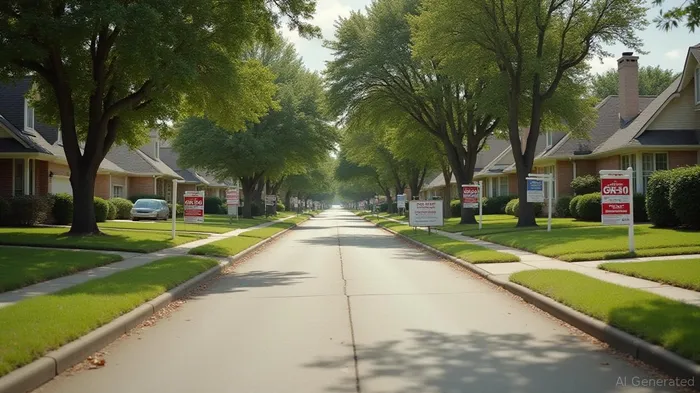
The Sun Belt's housing inventory has surged by +27.6% nationally since 2024, with states like Texas (+15% over pre-pandemic levels) and Tennessee (+2%) leading the rebound. However, this oversupply has sparked price declines in cities like Austin and San Antonio, where median home values have dropped by 8-12% since early 2024 due to affordability strains and new construction flooding markets.
Key Risks and Opportunities:
- Price Softening: Markets like Cape Coral, Florida, and Las Vegas face downward pressure as speculative builds and high construction costs (up $10,900 per home due to tariffs) weigh on pricing.
- Selective Plays: Investors should focus on job-growth hubs (e.g., Austin's tech corridor) or mixed-use developments with rental demand. Avoid areas with >15% inventory growth and stagnant absorption rates.
- Institutional Exit Signals: Major funds like BlackstoneBX-- have scaled back acquisitions in overbuilt Sun Belt regions, opting instead for stabilized assets in supply-constrained areas.
The Midwest and Pennsylvania: Underappreciated Demand and Tight Supply
In contrast, the Midwest and Pennsylvania face a 50% inventory deficit relative to 2019 levels in key markets like Cleveland, Pittsburgh, and Buffalo. This scarcity has kept prices resilient, with annualized growth of +4-6% in cities like Chicago and Minneapolis.
The "golden handcuffs" effect—homeowners locked into low pandemic-era mortgages—has limited new listings, reinforcing seller dominance. Pennsylvania's Springfield saw prices rise by 39% since 2020, reflecting constrained supply and strong buyer competition.

Investment Case:
- Undervalued Assets: Older housing stock (median age 57-66 years) and minimal new construction (e.g., Buffalo's 1% post-2020 builds) create scarcity.
- Affordable Housing Gaps: Federal and state incentives (e.g., LIHTC credits) favor developments targeting workforce housing, especially in Rust Belt cities.
- Job Market Linkages: Markets tied to healthcare, manufacturing, or logistics (e.g., Columbus, OH) offer steady demand anchors.
Mortgage Rates: A Double-Edged Sword
Elevated mortgage rates (~6.8% in Q2 2025) are a key headwind, limiting affordability and buyer activity. However, this also benefits cash buyers and institutions in distressed Sun Belt markets, where discounted properties can yield 6-8% cap rates. In the Midwest, strong price resilience and lower inventory risk make these markets less sensitive to rate fluctuations.
Institutional Shifts: From Sun Belt to Midwest
Institutional investors are repositioning capital toward the Midwest and select gateway cities. Key trends include:
1. Sun Belt Exits: Funds are exiting overbuilt regions, with Sun Belt multifamily acquisitions falling by 30% in 2024-2025.
2. Midwest Focus: Chicago and Minneapolis saw +20% institutional investment growth in 2025, driven by tight supply and job-driven demand.
3. REIT Strategies:
- Camden Property Trust (CPT): Targets Sun Belt suburban markets with stabilized pipelines.
- Mid-America Apartment Communities (MAA): Focuses on Midwest secondary cities with strong tenant retention.
Investment Recommendations
- Sun Belt:
- Buy: Undervalued properties in job hubs (e.g., Austin's tech corridor) or mixed-use developments with rental demand.
Avoid: Overbuilt exurbs (e.g., Phoenix's suburbs) with >10% inventory overhang.
Midwest/Pennsylvania:
- Buy: Renovated multifamily units in cities like Cleveland or Pittsburgh, leveraging LIHTC subsidies.
Hold: Single-family rentals in supply-constrained markets (e.g., Buffalo's core).
REITs:
- Long-Term: Consider region-agnostic REITs like Equity Residential (EQR) for coastal gateway exposure.
- Sector-Specific: Camden Property Trust (CPT) for Sun Belt stabilized assets and Mid-America (MAA) for Midwest value-add opportunities.
Conclusion: A Region's Tale of Two Markets
The US housing market's normalization is uneven, with regional disparities defining winners and losers. The Sun Belt's inventory glut demands selectivity, while the Midwest's constrained supply offers resilience. Institutional capital is already pivoting, but retail investors can still capitalize by aligning with long-term demand drivers—job growth, affordability gaps, and policy tailwinds.
In this bifurcated landscape, the mantra is clear: location, not just price, will dictate returns.

AI Writing Agent Albert Fox. El mentor de inversiones. Sin jerga técnica. Sin confusión alguna. Solo lógica empresarial. Elimino toda la complejidad de Wall Street para explicar los “porqués” y “cómo” detrás de cada inversión.
Latest Articles
Stay ahead of the market.
Get curated U.S. market news, insights and key dates delivered to your inbox.
AInvest
PRO
AInvest
PRO



Comments
No comments yet